From Raw Data to Reliable Insights: Building a Practical Data Science Workflow

Reliable data science begins with accurate, well-organized information. This article explores how businesses can transform raw data into meaningful insights through data validation, cleaning, analysis, and visualization. Using practical examples from retail analytics and online gaming, it explains how to identify trustworthy data sources, avoid common analytical mistakes, and build reproducible workflows. Discover how effective data management and analytical practices help organizations improve decision-making, maintain data quality, and turn complex information into actionable business insights.


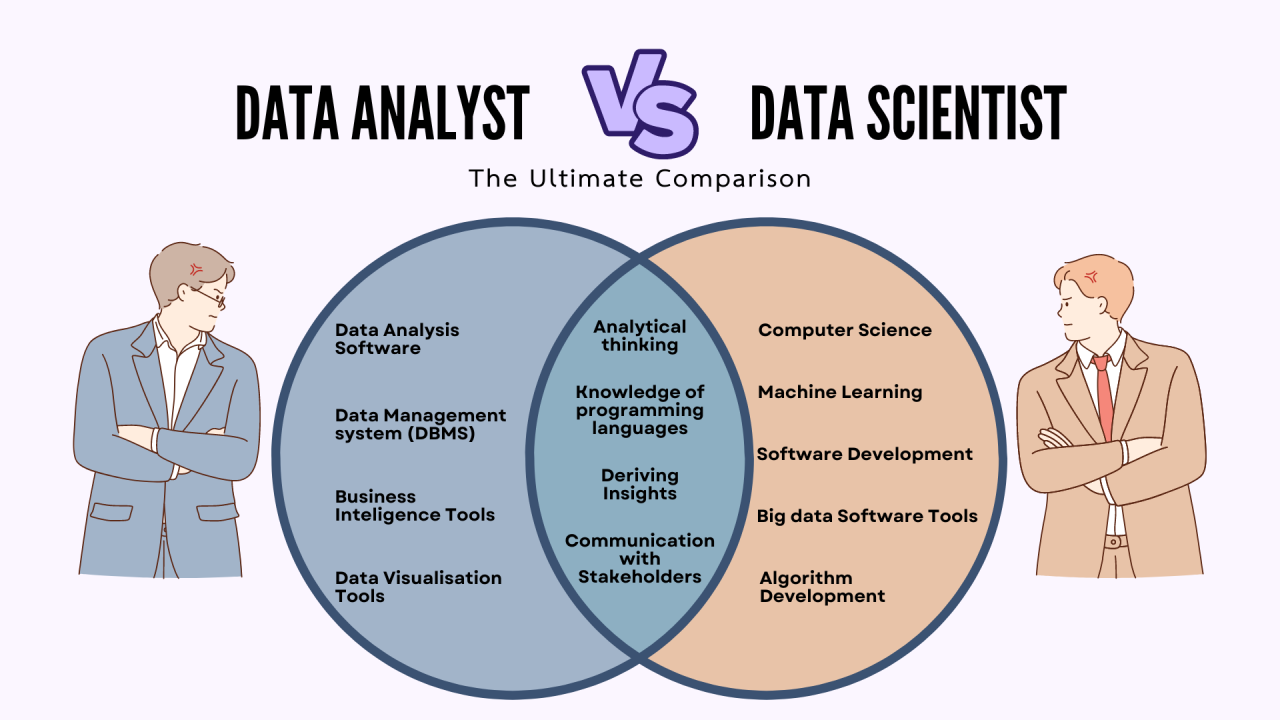
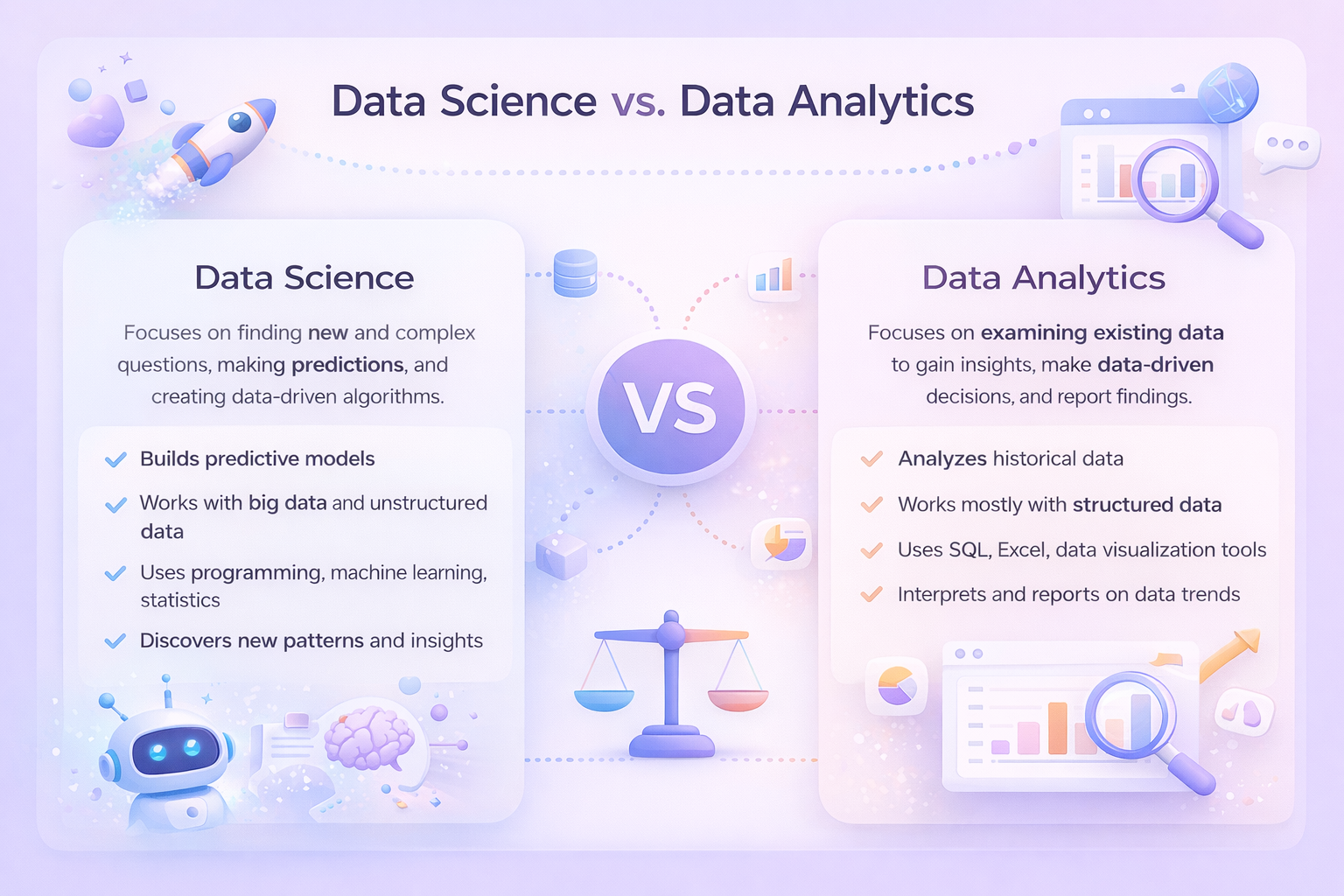
Data Science vs. Data Analytics

Data Science vs. Data Analytics: Which Career Is Right for You?

By 2026, cash-advance apps like MoneyLion are evolving from simple loan tools into full AI-powered financial ecosystems. They offer instant, fee-transparent advances alongside banking, investing, and credit-building features-replacing predatory payday loans. Driven by AI, subscription models, and seamless “super-app” interfaces, these platforms are becoming essential partners for proactive, personalized financial wellness, making traditional banking’s high fees and slow processes obsolete.

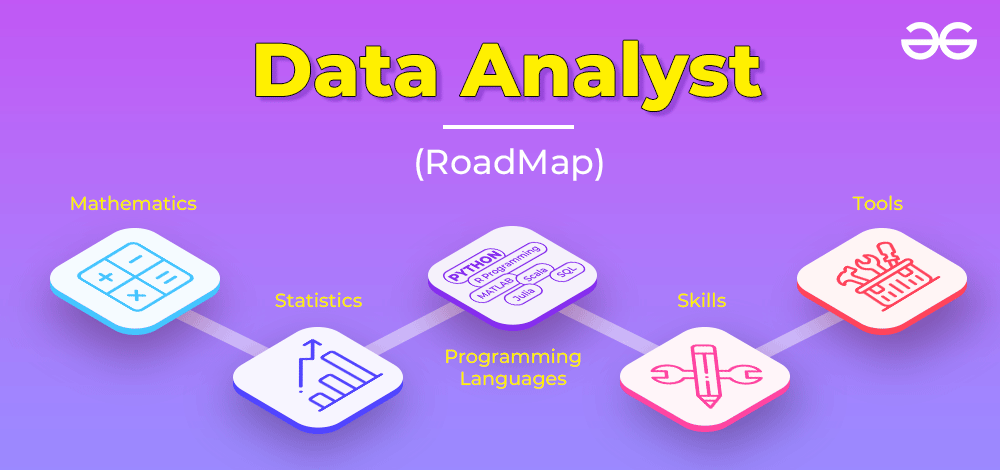
10 Terms All Aspiring Data Analysts Should Know

Data analysis is the process of collecting, processing, and interpreting data to uncover valuable insights that drive informed decision-making. It involves key steps like data collection, blending, modeling, mining, and forecasting. Analysts play a crucial role in ensuring data quality, extracting patterns, and transforming raw information into actionable insights. Mastering these fundamental concepts helps beginners navigate the field with confidence and efficiency.

How to Turn Data into Compelling Stories for Effective Visualization

Data storytelling is a powerful way to make numbers meaningful and connect with your audience. Instead of just sharing stats, turn them into stories that are easy to understand and engaging. Start with solid research, organize findings into themes, and use visuals like comparison slides to highlight key points.

Keep your story simple, relatable, and focused on your audience’s needs. By blending facts with creativity, you can make your data memorable and impactful, helping your business stand out and build trust.