
While traditional systems and manual processes worked in the past, many of them are no longer enough to sustain growth and efficiency in today’s fast-paced and increasingly complex business environment. If they want to remain competitive, businesses need to innovate and find better ways to manage their operations. One of the most effective ways to achieve this is through enterprise resource planning (ERP) systems.
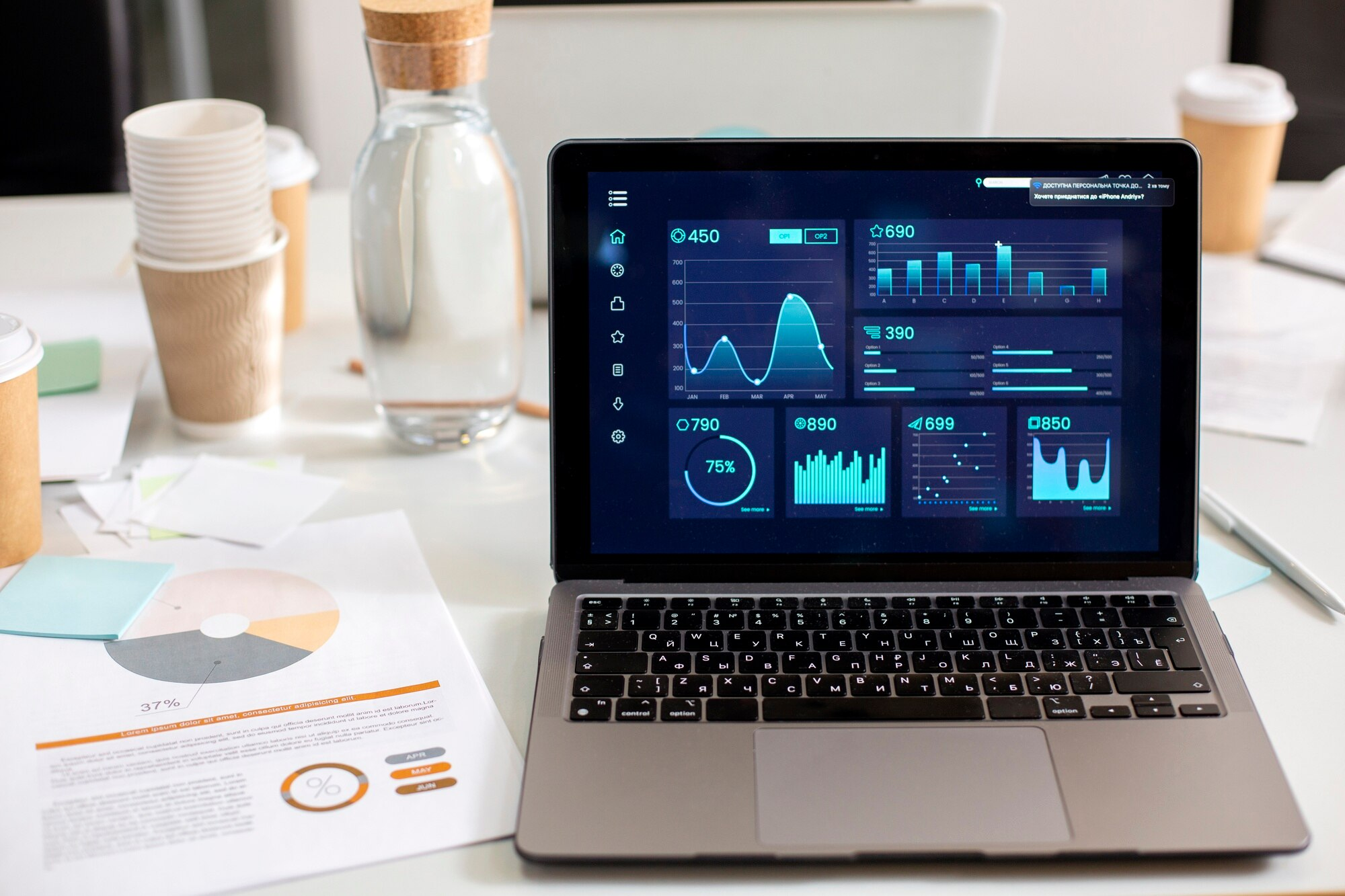
ERP systems are integrated software solutions that help businesses streamline processes, centralize data, and enhance collaboration across departments. They also help consolidate critical business functions such as finance and supply chain management into a single platform. While ERP systems are able to improve operational efficiency, ERP systems are best combined with data analytics to realize their full potential. Data analytics transforms ERP systems from simple data storage tools into strategic assets that provide real-time insights and optimize business performance.
In this article, we’ll explore the role of data analytics in enhancing ERP systems, focusing on how businesses can leverage these technologies to make better strategic decisions.
They Streamline Operational Efficiency and Process Automation
ERP systems already help businesses streamline workflows by consolidating various business functions into a unified system. However, when enhanced with data analytics, ERP systems can significantly boost efficiency by automating processes and identifying areas for improvement. Data analytics can pinpoint inefficiencies within operations, which allows businesses to optimize workflows and allocate resources more effectively.
They Optimize Financial Performance
Financial data is at the core of ERP systems, and integrating data analytics can help businesses gain deeper insights into revenue, expenses, and profitability. Many modern businesses rely on an integrated accounting system and POS system to track financial transactions, manage cash flow, and assess profitability. When combined with data analytics, these systems provide real-time financial visibility, allowing businesses to optimize financial performance effectively.
When accounting systems are integrated into ERP solutions, they can collect and store financial data. But without analytics, businesses may struggle to identify trends or detect financial risks early. With data analytics, organizations can analyze spending patterns to identify cost-saving opportunities, compare budget forecasts with actual financial performance, and detect potential cash flow shortages before they become critical issues. Businesses can also track revenue streams from different departments, locations, or sales channels, helping financial teams allocate resources more efficiently.
Similarly, POS systems generate vast amounts of transaction data that can provide valuable insights when analyzed correctly. A retail business, for example, can analyze sales data from its POS system to identify the most profitable products, track seasonal demand fluctuations, and adjust pricing strategies accordingly.
They Enhance Supply Chain and Inventory Management
Supply chain management is a complex process that requires precise coordination to prevent stock shortages and logistical delays. Fortunately, data analytics within ERP systems enables businesses to gain better control over inventory and supply chain operations by providing predictive insights into demand patterns, supplier performance, and transportation logistics.
Companies can analyze historical sales data and external factors such as seasonal demand or economic trends, which helps them forecast inventory needs with greater accuracy. Moreover, data analytics allows businesses to assess supplier performance by tracking delivery times and defect rates. If a supplier consistently delivers late or provides subpar materials, businesses can make informed decisions about switching to a more reliable supplier.
They Improve Customer Relationship Management
Customer satisfaction plays a critical role in business success, and data analytics within ERP systems can significantly enhance customer relationship management (CRM) by providing valuable insights into consumer behavior, preferences, and purchasing patterns. Businesses that leverage data analytics can develop personalized marketing strategies and enhance overall customer experiences.
An online retailer can analyze customer purchase history to recommend products that align with individual preferences and increase the likelihood of repeat purchases. Similarly, a service-based business can use sentiment analysis to gauge customer feedback and identify areas for improvement in its services.
Additionally, data analytics helps businesses optimize customer support by identifying common pain points and predicting customer needs. If a company notices a recurring issue with a specific product or service, it can take proactive measures to address it before it escalates into a larger problem.
They Help With Proactive Risk Management and Compliance
Risk management and regulatory compliance are critical for businesses operating in industries with strict guidelines, such as healthcare, finance, and manufacturing. s within ERP systems enables businesses to proactively manage risks and ensure compliance.
Particularly, companies in finance can use predictive analytics to assess credit risks and detect fraudulent transactions. Healthcare providers can analyze access logs and patient data to ensure compliance with data protection regulations. Additionally, manufacturing businesses can monitor workplace safety metrics to prevent accidents and ensure compliance with industry safety standards.
The integration of data analytics with ERP systems is revolutionizing how businesses operate. When data-driven ERP solutions are incorporated in different aspects of business operations, it empowers businesses to stay competitive in today’s digital economy.
As a result, these companies that embrace ERP systems with advanced data analytics capabilities gain a strategic advantage by making smarter, data-driven decisions that lead to long-term growth and success. For businesses looking to enhance performance, exploring modern ERP solutions that harness the power of data analytics is a crucial step toward achieving operational excellence and sustained profitability.