
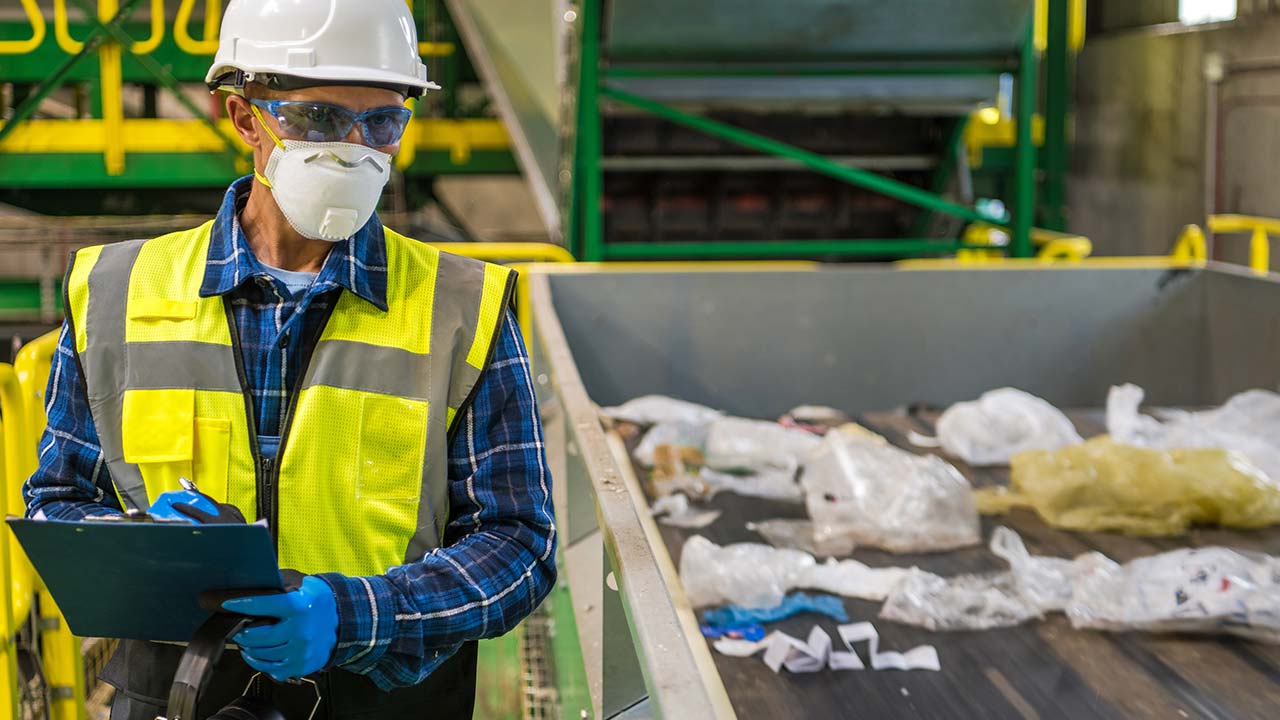
Waste management has become increasingly complex as cities expand, businesses generate more waste, and sustainability goals continue to evolve. Traditional collection methods, which often rely on fixed schedules and manual inspections, are no longer sufficient to meet modern operational and environmental demands. Overflowing bins, inefficient collection routes, and rising fuel costs can all impact service quality and operational efficiency.
Data analytics is changing this landscape by enabling waste management organizations to make decisions based on real-time information rather than assumptions. Through technologies such as the Internet of Things (IoT), artificial intelligence (AI), machine learning, and predictive analytics, organizations can monitor waste generation, optimize collection schedules, and improve recycling performance. These innovations are helping municipalities and private waste operators reduce costs, improve resource utilization, and support broader sustainability initiatives.
From Reactive Waste Collection to Data-Driven Operations
One of the most significant applications of data analytics is the shift from reactive waste collection to proactive operations. Instead of collecting bins according to predetermined schedules, waste management companies can now use smart sensors installed inside bins to monitor fill levels, weight, temperature, and other environmental conditions in real time. This information is transmitted to centralized platforms, allowing collection teams to identify which bins require immediate attention and which can wait until a later collection cycle.
Real-time monitoring also enables dynamic route optimization. Rather than following the same collection route every day, software analyzes live data such as traffic conditions, vehicle locations, bin status, and road accessibility to generate the most efficient routes. This reduces unnecessary travel, lowers fuel consumption, minimizes vehicle emissions, and allows drivers to complete more collections in less time.
Predictive analytics further strengthens operational planning by analyzing historical collection data alongside seasonal trends, weather conditions, population growth, and local events. These insights help organizations anticipate future waste volumes and allocate resources more effectively. For example, additional collection vehicles can be scheduled during festivals, sporting events, or holiday periods when waste generation is expected to increase.
Fleet management also benefits from continuous data analysis. Modern collection vehicles generate operational data related to fuel usage, engine performance, maintenance requirements, and driver behavior. Predictive maintenance systems use this information to identify potential mechanical issues before they lead to unexpected breakdowns. This approach reduces downtime, extends vehicle lifespan, and lowers maintenance costs while ensuring reliable service delivery.
Together, these technologies allow waste management organizations to operate more efficiently, reduce operational expenses, and provide faster, more responsive services to communities and businesses.
As more waste management providers adopt digital tools and data-driven workflows, operational efficiency continues to improve across the industry. Companies like Genie Skip Bins offer comprehensive waste management and recycling solutions that demonstrate how modern waste services can support businesses and communities while embracing more efficient operational practices.
Data Analytics Is Making Recycling More Intelligent
The impact of data analytics extends beyond waste collection into recycling operations, where accurate material identification and efficient sorting play a critical role in improving recovery rates.
Many modern recycling facilities now use AI-powered computer vision systems to identify different materials moving along conveyor belts. High-resolution cameras capture images of waste items while machine learning models classify materials such as plastics, metals, paper, cardboard, and glass within milliseconds. Robotic sorting systems can then separate recyclable materials with greater speed and consistency than manual sorting alone.
Analytics also helps identify contamination within recycling streams. Mixed or contaminated materials reduce recycling efficiency and increase processing costs. By monitoring contamination patterns, facility operators can identify recurring issues, improve sorting processes, and develop targeted public education campaigns that encourage better recycling practices.
Performance dashboards provide another valuable application of data analytics. Recycling facilities can continuously monitor key performance indicators such as recovery rates, contamination levels, processing volumes, equipment utilization, and landfill diversion rates. These insights allow managers to evaluate operational performance and make informed decisions based on measurable outcomes rather than estimates.
Data also supports the transition toward a circular economy by improving material traceability and resource recovery. Organizations can better understand how recyclable materials move through the collection, sorting, and processing stages, helping maximize the value extracted from waste while reducing dependence on virgin raw materials. As governments and businesses continue to adopt sustainability targets, access to reliable operational data becomes increasingly important for measuring environmental performance and demonstrating progress.
Challenges Today and the Road Ahead
Despite its benefits, implementing data-driven waste management presents several challenges. Smart infrastructure, connected sensors, cloud platforms, and AI-powered systems require significant upfront investment, making adoption more difficult for smaller organizations with limited budgets. Integrating new technologies with existing infrastructure can also be complex, particularly when older systems lack compatibility with modern digital platforms.
Data quality remains another important consideration. Inaccurate or incomplete information can reduce the effectiveness of predictive models and operational decision-making. At the same time, connected systems must be protected against cybersecurity risks to ensure operational continuity and safeguard sensitive information.
Looking ahead, innovation in data science is expected to further reshape the waste management sector. Edge AI will enable faster decision-making directly on connected devices, while digital twins will allow operators to simulate waste collection systems before implementing operational changes. Autonomous collection vehicles, blockchain-based material tracking, and increasingly sophisticated predictive analytics are also expected to improve transparency, efficiency, and sustainability across the industry.
Waste management is no longer simply about collecting and disposing of waste. It is becoming a data-driven industry where information supports smarter decisions, more efficient operations, and stronger environmental outcomes. As organizations continue to embrace analytics, AI, and connected technologies, they will be better equipped to reduce costs, improve recycling performance, and build more sustainable waste management systems for the future.