
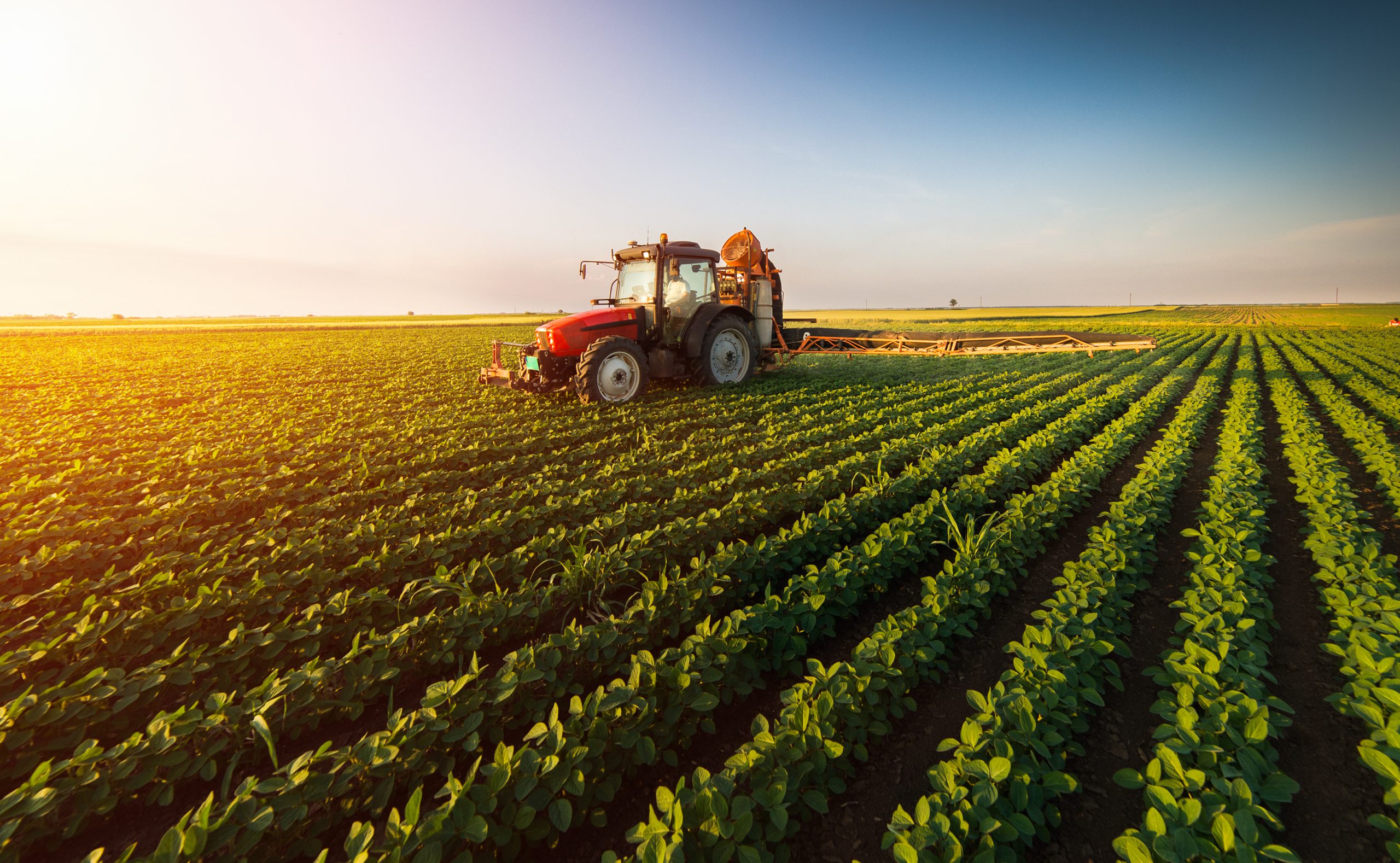
Artificial Intelligence (AI) is revolutionizing numerous industries, and agriculture is no exception. The integration of AI into agricultural production is transforming traditional farming practices, enhancing efficiency, productivity, and sustainability. This article explores the multifaceted role of AI in agriculture, examining its applications, benefits, and future potential.
1. Precision Farming and Crop Management
One of the most significant contributions of AI to agriculture is precision farming. AI-powered systems use data from various sources—such as satellite imagery, drones, and sensors—to monitor and analyze crop health, soil conditions, and weather patterns. Machine learning algorithms process this data to provide actionable insights, enabling farmers to make informed decisions about planting, watering, and fertilizing.
For example, AI can predict optimal planting times and recommend specific crop varieties based on soil conditions and climate. This precision reduces resource wastage and maximizes crop yields. Additionally, AI-driven systems can detect early signs of pests or diseases, allowing for timely intervention and minimizing crop losses.
2. Automated Machinery and Robotics
AI is also playing a crucial role in the development of automated machinery and robotics in agriculture. Autonomous tractors, harvesters, and drones equipped with AI technology are becoming increasingly common. These machines can perform tasks such as planting, weeding, and harvesting with minimal human intervention.
Autonomous tractors, for instance, use AI to navigate fields, adjust their operations based on real-time data, and optimize fuel usage. Harvesting robots, on the other hand, can identify ripe fruits or vegetables and pick them efficiently, reducing the need for manual labor and increasing overall productivity.
3. Optimizing Resource Management
Efficient resource management is critical for sustainable agriculture, and AI is helping farmers optimize the use of water, fertilizers, and pesticides. AI-powered irrigation systems analyze weather forecasts, soil moisture levels, and crop requirements to deliver precise amounts of water. This targeted approach reduces water consumption and prevents overwatering, which can lead to soil erosion and nutrient runoff.
Similarly, AI systems can analyze nutrient deficiencies in soil and recommend the appropriate type and amount of fertilizer. This targeted fertilization not only improves crop health but also minimizes environmental impact by reducing the runoff of excess fertilizers into waterways.
4. Enhancing Supply Chain and Market Access
AI is transforming agricultural supply chains by improving logistics, forecasting, and market access. Predictive analytics tools can forecast crop yields and market demand, helping farmers plan their production and reduce surplus. AI-driven platforms also facilitate better supply chain management by optimizing transportation routes and reducing food waste.
Furthermore, AI-powered platforms connect farmers directly with consumers and retailers, enabling them to access new markets and receive fair prices for their products. This direct access helps small-scale farmers compete with larger agribusinesses and improves their overall profitability.
5. Addressing Challenges and Future Prospects
While AI offers numerous benefits, it also presents challenges. The adoption of AI technologies requires significant investment and technical expertise, which may be a barrier for small-scale farmers. Additionally, there are concerns about data privacy and security, as well as the potential displacement of agricultural workers due to automation.
Despite these challenges, the future of AI in agriculture looks promising. Ongoing advancements in AI technologies, coupled with increased accessibility and affordability, are expected to further enhance the efficiency and sustainability of agricultural production. Research and development efforts are focused on improving AI algorithms, integrating new data sources, and addressing the ethical and social implications of automation.
Source: hill climb racing