
For small to medium-sized businesses (SMBs), staying competitive in today’s rapidly evolving landscape means embracing innovation. Generative AI (GenAI) – the technology behind groundbreaking applications like content creation, personalized recommendations, and predictive analytics- offers a powerful avenue for growth and efficiency. However, the true potential of GenAI can only be unlocked with a robust and well-organized data infrastructure. This is where the concept of a data lake comes into play. For SMBs, building a data lake can be a game-changer, enabling efficient data management and fueling AI initiatives.
This article will guide you through the essentials of building a data lake tailored for GenAI within your SMB, focusing on practical steps and the tangible benefits you can expect. We’ll demystify the technical jargon and highlight how this strategic investment can future-proof your business.
Why a Data Lake is Crucial for GenAI in SMBs?
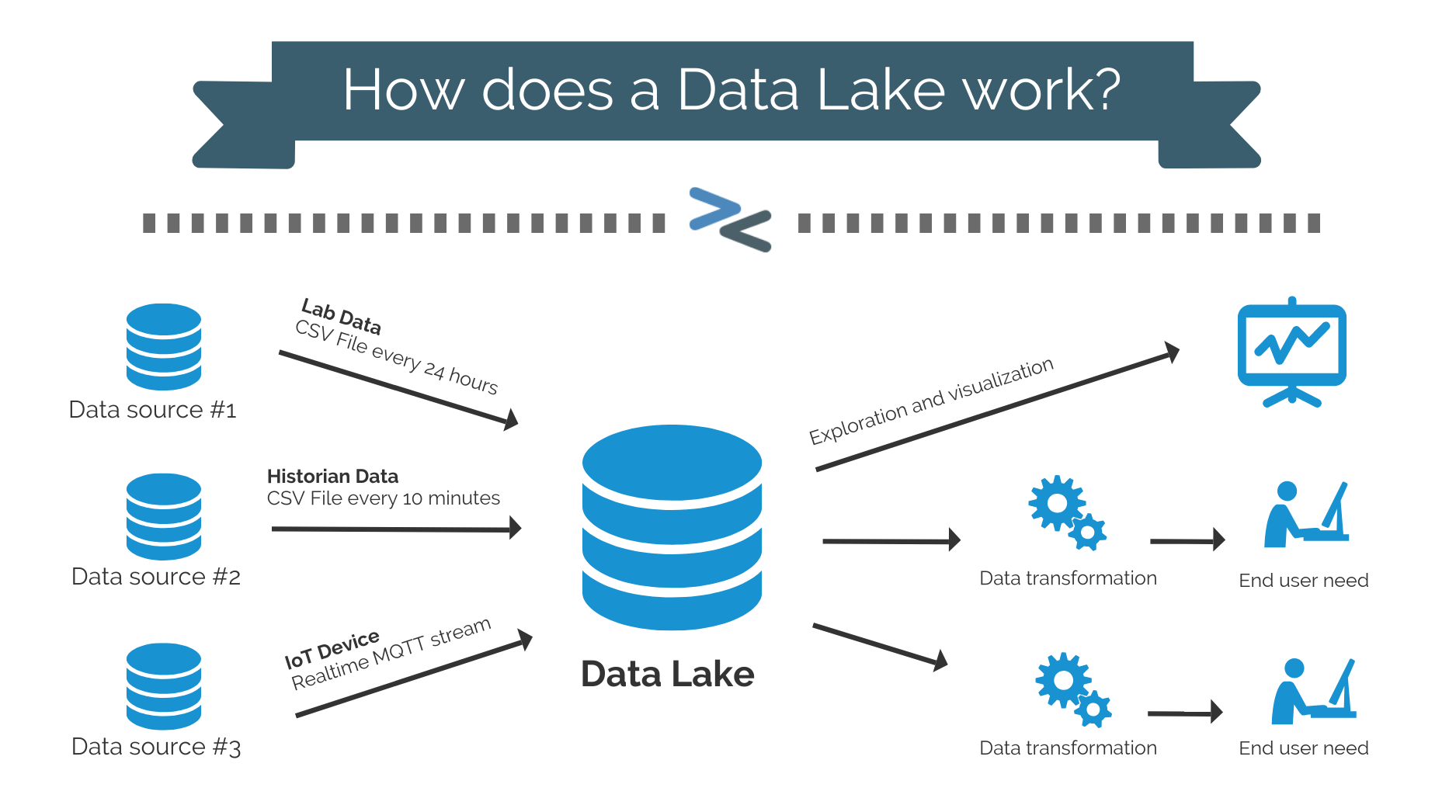
Traditionally, SMBs often grapple with data scattered across various systems – CRM, ERP, marketing platforms, spreadsheets, and more. These data silos hinder a holistic view of your business and make it incredibly challenging to feed the data-hungry GenAI models effectively. A data lake provides a centralized repository designed to store vast amounts of data in its native format, regardless of structure (structured, semi-structured, or unstructured).
Think of it as a large, flexible reservoir where all your business data can flow in. This eliminates the complexities of pre-processing and conforming data to fit specific database schemas, saving you time and resources. For GenAI, this flexibility is paramount as these models often learn from diverse datasets, including text documents, images, audio, and video, alongside traditional structured data.
Here are some key reasons why SMBs should consider building a data lake for GenAI:
1. Cost-Effective Scalability
Cloud-based data lakes, such as Amazon S3 or Azure Data Lake, offer scalable storage solutions that grow with your business needs. This scalability ensures that SMBs can manage increasing data volumes without significant infrastructure investments.
2. Enhanced Data Integration
Data lakes can consolidate data from various sources—CRM systems, social media, and IoT devices—into a single repository. This integration facilitates comprehensive data analysis and supports more accurate GenAI outputs.
3. Improved Decision-Making
With real-time data access, businesses can make informed decisions swiftly. GenAI models trained on up-to-date data can provide insights into customer behavior, market trends, and operational efficiencies.
4. Future-Proofing Your Business
Implementing a data lake lays the groundwork for advanced analytics and AI applications. As your business grows, the data lake can adapt, ensuring you’re prepared for future technological advancements.
Steps to Build a Data Lake for GenAI
Step 1: Define Your Objectives
Identify the specific goals you aim to achieve with GenAI—be it customer segmentation, content generation, or predictive maintenance. Clear objectives will guide the data lake’s design and implementation.
Step 2: Choose the Right Platform
When choosing a platform, it’s important to explore the various data lake services offered by cloud providers. These services include built-in tools for data ingestion, cataloging, security, and integration with AI frameworks. Popular options include:
- Amazon S3: Offers robust scalability and integration with AWS services.
- Azure Data Lake: Provides seamless integration with Microsoft’s ecosystem.
- Google Cloud Storage: Known for its machine learning capabilities.
Step 3: Ingest and Organize Data
To streamline the setup and management process, SMBs can take advantage of powerful data lake tools. These include data ingestion tools like Apache NiFi and Talend, processing engines such as Apache Spark, and metadata management tools like AWS Glue and Apache Atlas.
Step 4: Ensure Data Quality and Governance
Implement data validation processes to maintain data accuracy. Establish governance policies to manage data access, compliance, and security.
Step 5: Integrate GenAI Tools
Connect GenAI frameworks like OpenAI’s GPT models or Google’s BERT to your data lake. This integration enables the development of AI-driven applications tailored to your business needs.
Benefits of a Data Lake for GenAI: Realizing Tangible Business Value
By strategically building a data lake, your SMB can unlock significant benefits from GenAI:
- Enhanced Customer Understanding: Analyze customer interactions across all touchpoints to generate personalized marketing messages, product recommendations, and support experiences.
- Improved Operational Efficiency: Use GenAI to automate repetitive tasks, optimize workflows, predict equipment failures, and manage inventory more effectively.
- Faster and More Accurate Decision-Making: Leverage GenAI-powered analytics to gain deeper insights into market trends, customer behavior, and business performance, leading to more informed strategic decisions.
- New Product and Service Innovation: Explore untapped data combinations to identify new product and service opportunities and accelerate their development.
- Competitive Advantage: By harnessing the power of GenAI, your SMB can differentiate itself from competitors, attract and retain customers, and drive sustainable growth.
Best Practices for SMBs
Building a data lake for GenAI doesn’t have to be an all-or-nothing endeavor. SMBs can adopt a phased approach:
- Start Small: Begin by focusing on a specific GenAI use case and the data required for it.
- Choose a Managed Cloud Service: Leverage the ease of use and scalability of cloud-based data lake platforms.
- Prioritize Data Governance and Security: Implement basic security measures and access controls from the outset.
- Iterate and Learn: As you gain experience, gradually expand your data lake and explore more complex GenAI applications.
Conclusion
Building a data lake is a strategic move for SMBs looking to leverage Generative AI. It provides a scalable, flexible, and cost-effective solution for managing diverse data types, ultimately driving innovation and competitive advantage. By following the outlined steps and best practices, your business can unlock the full potential of GenAI and position itself for future success.