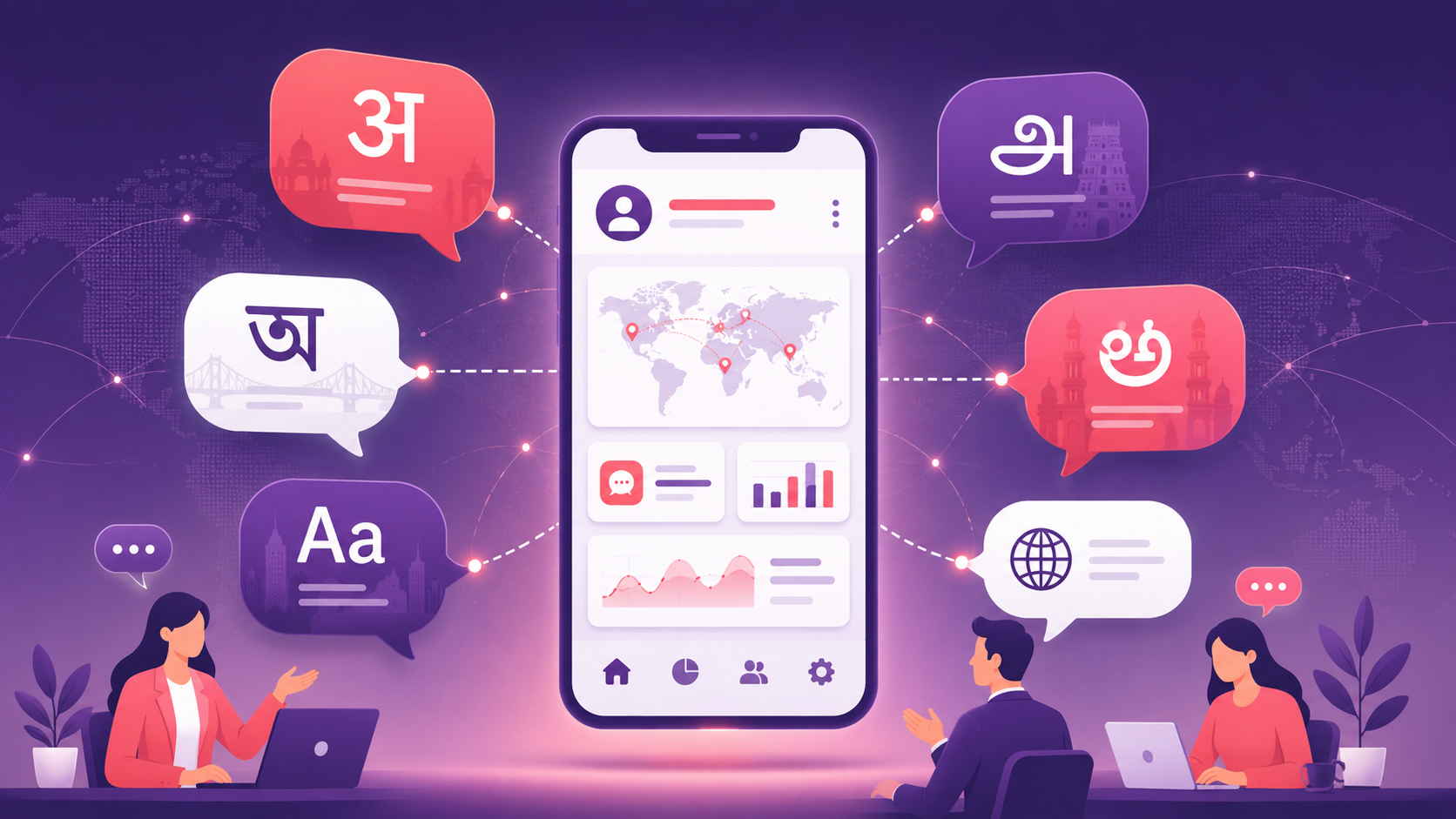
8 Reasons Regional Language Support Is Becoming a Business Necessity

As India’s internet base expands rapidly into tier-2, tier-3, and rural markets, English-first digital experiences are proving inadequate for reaching the majority of new users. This article examines why regional language support has shifted from an optional feature to a core business requirement, covering its impact on customer trust, conversion rates, support costs, regulatory compliance, and long-term retention. Drawing on trends across BFSI, healthcare, logistics, recruitment, and edtech sectors, it outlines eight key drivers behind this shift — from the rise of vernacular voice search to advances in NLP that have made multilingual support commercially viable for businesses of all sizes. The piece argues that companies investing early in regional language capability, including Voice AI Platforms and Multilingual Voice AI for Indian Languages, are best positioned to capture disproportionate market share as India’s next wave of digital adoption unfolds.


The Leadership Playbook for AI-Driven Organizations

This article explores how leadership must evolve for AI-driven organizations, moving beyond traditional hierarchies toward collaborative, AI-augmented decision-making. It outlines four essential leadership pillars vision, talent, governance, and culture and explains how organizations can build sustainable AI capabilities that deliver long-term business value.

The Complete Guide to Voice AI Platforms for Enterprise Learning

Voice AI is changing how enterprises deliver training by making learning more interactive, scalable, and measurable. This guide explains how modern Voice AI platforms support onboarding, compliance training, role-play simulations, and skill assessments through natural conversations. It also explores the essential capabilities of production-ready platforms, key evaluation criteria, implementation best practices, and the KPIs organizations should track to measure learning outcomes and return on investment.

9 Ways Logistics Companies Can Improve Shipment Communication with a Voice AI Platform

Shipment visibility is only valuable when customers receive timely updates. This article explores nine practical ways a Voice AI Platform helps logistics companies automate shipment communication, reduce support workload, improve delivery coordination, handle transit exceptions, and create better customer experiences through proactive, multilingual voice interactions.

From Call Center to AI Agent: The Modern Enterprise Voice Stack

Modern enterprises are rapidly replacing traditional call centers with AI-powered voice agents that deliver faster, more consistent, and scalable customer support. This article explores why legacy voice systems are falling short, breaks down the key components of a modern enterprise voice stack, and explains how AI voice agents integrate with business systems to automate real customer interactions. It also highlights the benefits, deployment considerations, and performance metrics that help organizations successfully transition to AI-driven customer service.

Voice AI for Recruitment: 7 Use Cases Improving Candidate Screening

This article explores seven practical use cases of Voice AI for recruitment and how it helps organizations streamline candidate screening at scale. From high-volume hiring and multilingual interviews to interview scheduling, skill assessments, candidate re-engagement, offer follow-ups, and feedback collection, it highlights how Voice AI improves recruiter efficiency while delivering a faster, more consistent, and fairer candidate experience.

Voice AI Platform: A Complete Guide to Industries, Applications, and Business Benefits

This article explores how Voice AI Platforms are transforming customer communication across industries like BFSI, Healthcare, E-commerce, EdTech, and Real Estate. It explains how Voice AI automates conversations, improves customer engagement, reduces operational costs, and supports multilingual communication, especially in the Indian market. The article also highlights key use cases, business benefits, and factors to consider when choosing a Voice AI Platform.

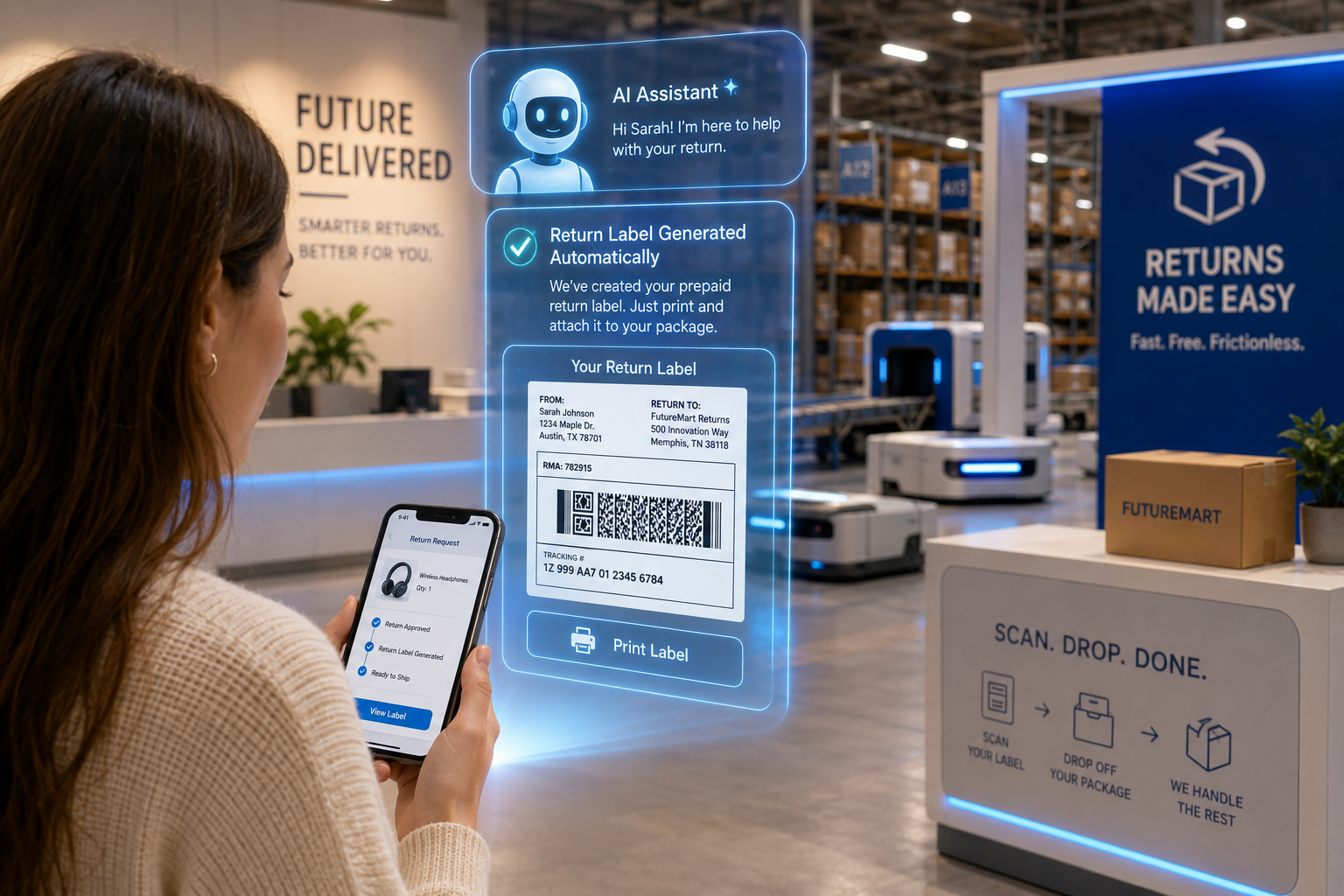
Voice AI for Customer Support: How Are E-Commerce Brands Simplifying Returns?

This article explores how Voice AI for Customer Support is transforming the e-commerce returns experience by reducing wait times, automating return workflows, and improving customer satisfaction. From instant order verification and real-time eligibility checks to multilingual assistance and proactive updates, voice AI helps brands simplify returns while reducing support costs. It also highlights how e-commerce companies can improve loyalty, streamline operations, and manage high return volumes more efficiently through intelligent, customer-centric automation.

Voice AI Platform: Why Businesses Are Moving Beyond Traditional Customer Support

This article explores how a Voice AI Platform is helping businesses move beyond traditional customer support by delivering faster, more consistent, and always-available customer interactions. It highlights the technology behind voice AI, the limitations of conventional support systems, and how companies are using automation to improve efficiency, reduce costs, and enhance customer experience.

How Businesses Are Quietly Removing Language Friction at Scale

Language barriers have quietly cost businesses and customers for years, and the smartest companies are finally fixing that. This article breaks down how businesses are removing language friction at scale using multilingual AI and regional voice technology, which industries are leading the shift, and why meeting customers in their own language is fast becoming one of the sharpest competitive advantages in markets like India.