
The gap between having an idea and having a live product has never been smaller.
In 2026, a solo founder with the right AI stack can build a full-stack web app, design a landing page, write marketing copy, handle customer support, and deploy to production all without hiring a single person. What used to take a team of six and six months now takes one person and a few weeks.
But here’s the catch: the AI tool landscape is overwhelming. There are hundreds of options, and most founders waste time switching between tools that don’t fit together. The founders who move fastest aren’t using more tools, they’re using the *right* tools at the right stage.
This guide breaks down the exact AI stack that solo founders are using in 2026, organized by stage: build, launch, and scale.
Stage 1: Build (Turning Ideas into Working Products)
AI Coding & App Generation
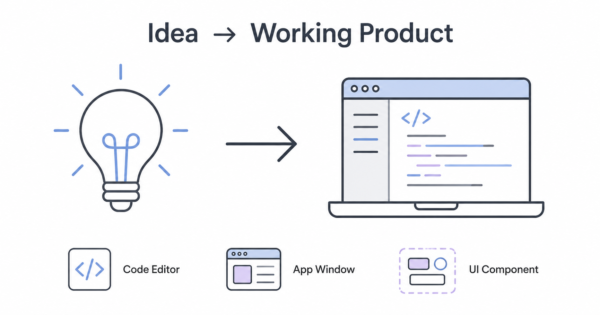
The build stage has been transformed most dramatically by AI. Solo founders no longer need to be full-stack engineers to ship a working product.
Cursor is the go-to AI code editor for founders who know some code. It understands your entire codebase, suggests multi-file edits, and can generate new features from a plain English description. Founders using Cursor report cutting development time by 50–70% on standard features.
Bolt.new and Lovable are the tools of choice for non-technical founders. Describe what you want to build “a SaaS dashboard with user auth and a subscription page” and these tools generate a deployable full-stack app in minutes. This is the core of what the builder community now calls “vibe coding”: shipping real products without writing every line yourself.
v0 by Vercel sits in the middle. Ideal for generating production-ready React UI components from text or design mockups. If you need a specific UI built fast, v0 is the fastest path from description to working component.
AI Design Tools
Figma AI has made wireframing and prototyping significantly faster. Founders can generate UI layouts, iterate on designs with natural language prompts, and hand off to developers (or to their own AI tools) without a dedicated designer.
Canva AI handles everything from social assets to pitch deck visuals. For a solo founder without design skills, it’s the fastest way to produce professional-looking visuals without hiring a designer.
Stage 2: Launch (Getting Live and Getting Users)
Deployment & Infrastructure
Building is only half the job. Getting a product live with proper SSL, databases, environment variables, CI/CD, and auto-scaling used to require DevOps knowledge or a platform engineer.
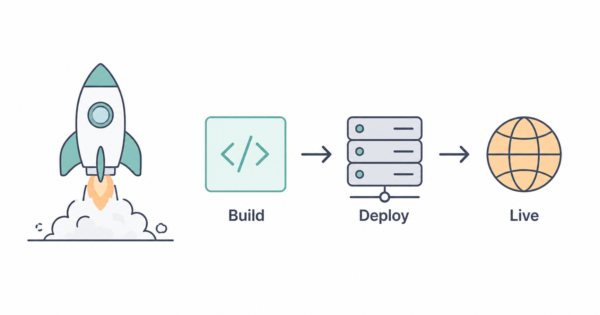
In 2026, Agentic AI platforms like Kuberns have removed that friction entirely. Connect your GitHub repo, and the platform’s agentic AI reads your code, detects your framework, provisions infrastructure, sets up your database, issues SSL, and gets your app live without a single config file. For solo founders, this means going from working code to production URL in under five minutes.
This matters more than most founders realize. Every hour spent on infra configuration is an hour not spent on users and growth. The best solo founders treat deployment as a solved problem.
Landing Page & Conversion
Framer has become the default for AI-generated landing pages. Describe your product and target audience, and Framer generates a fully designed, responsive landing page. Founders can iterate on copy and layout in real time, no developer needed.
Unicorn Platform is a lighter alternative, purpose-built for SaaS landing pages with AI-assisted copy generation built in.
Email & Outreach
Apollo.io and Instantly.ai handle the outbound side of launch finding leads, personalizing cold emails with AI, and running automated sequences. For a B2B product, these tools can drive early pilot users without a sales team.
Beehiiv or ConvertKit handle inbound email, building a waitlist, sending launch announcements, and nurturing early subscribers. Both have AI writing assistants built in for drafting newsletters fast.
Stage 3: Scale (Growing Without Adding Headcount)
AI-Powered Customer Support
The first scaling challenge for most solo founders is support. As users grow, support tickets pile up and become a full-time job.
Intercom’s Fin AI and Tidio both offer AI agents that handle the majority of support queries automatically, answering FAQs, troubleshooting common issues, and escalating only complex tickets to the founder. Founders using AI support agents report handling 60–80% of tickets without human involvement.
Analytics & Growth Intelligence
Understanding what’s working requires data. Mixpanel and PostHog are the two tools solo founders lean on most. Both offer AI-assisted analysis that surfaces insights without requiring you to write SQL queries or build custom dashboards.
June.so is a lighter option built specifically for B2B SaaS. It automatically tracks activation, retention, and feature usage, and flags when users are about to churn. For a solo founder, having an AI flag “these 5 users haven’t logged in for 14 days” is far more actionable than staring at a raw analytics dashboard.
AI Marketing & Content
Perplexity and ChatGPT remain the backbone of content research and first-draft generation for most founders. The founders getting the most value from these tools aren’t using them to generate final content, they’re using them to research, outline, and rapidly iterate on drafts that they then edit and publish.
Jasper and Copy.ai are more structured alternatives for founders who want AI-generated marketing copy with brand guidelines baked in.
For SEO and organic growth, Surfer SEO with AI writing integration is the standard tool for optimizing content to rank without needing a dedicated content team.
How the Best Solo Founders Think About Their AI Stack
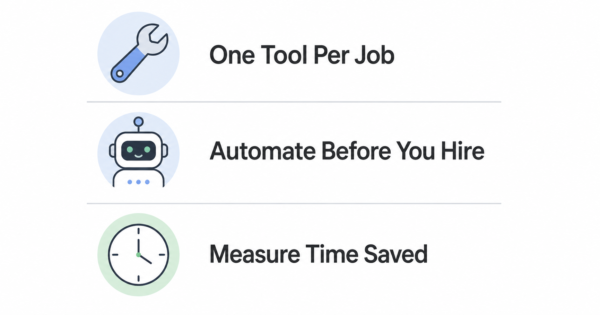
The mistake most founders make is tool-hopping. Trying every new AI product that trends on Product Hunt. The ones building real businesses pick a stack, learn it deeply, and only switch when there’s a clear bottleneck.
Here’s the mental model worth adopting:
One tool per job-to-be-done: Don’t use three AI coding tools. Pick one and master it. Same for design, email, support, and analytics.
Automate before you hire: Before bringing on your first employee, ask: can an AI tool handle this job adequately? The answer is “yes” more often than most founders expect in 2026.
Measure the time saved, not just the money spent: The ROI question for AI tools isn’t just cost, it’s how many hours per week does this give back to me? An $80/month tool that saves 10 hours of work per week is one of the best investments a solo founder can make.
The 2026 Solo Founder AI Stack (Quick Reference)
| Stage |
Job to be Done |
Tool |
| Build | AI code editor | Cursor |
| Build | Full app generation | Bolt.new / Lovable |
| Build | UI components | v0 by Vercel |
| Build | Design & prototyping | Figma AI / Canva AI |
| Launch | Deployment & infrastructure | Kuberns |
| Launch | Landing page | Framer |
| Launch | Outbound email | Apollo.io / Instantly |
| Launch | Email marketing | Beehiiv / ConvertKit |
| Scale | Customer support | Intercom Fin / Tidio |
| Scale | Analytics | PostHog / June.so |
| Scale | Content & SEO | ChatGPT + Surfer SEO |
Final Thought
The solo founder of 2026 isn’t a superhuman. They’re just someone who’s built a small, tight AI stack and learned to use each tool well.
The advantage isn’t access, most of these tools are available to anyone with a credit card. The advantage is knowing which tools to pick, how to string them together, and how to keep moving instead of getting stuck in configuration and setup.
Build with AI. Deploy without friction. Grow with data. That’s the playbook.