
How Agentic AI Is Reshaping Data Science Workflows in 2026
Understand what an agentic AI is, how it works, its key features, how multi-system agents operate in data science, and the future of data science.
Understand what an agentic AI is, how it works, its key features, how multi-system agents operate in data science, and the future of data science.

Artificial Intelligence is evolving rapidly, and one of the most transformative advancements is Agentic AI—a new generation of AI systems capable of […]

Agentic AI in software development represents a shift from reactive automation to goal-driven, self-directed engineering systems capable of planning, executing, evaluating, and adapting decisions across the software lifecycle. As engineering organizations scale in 2026, the challenge is no longer writing code faster, but managing growing decision complexity across design, delivery, and operations. This article examines how agentic systems are designed, where they fit within modern development workflows, and what architectural patterns enable responsible autonomy. It explores practical trade-offs, governance models, and real-world constraints that teams encounter when introducing self-directed systems, offering a grounded perspective on how agentic AI supports scalable, resilient so
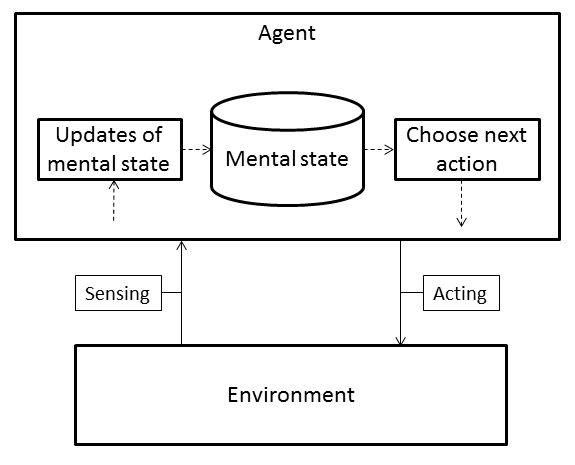
Agentic AI marks the shift from reactive tools to autonomous digital teammates that can reason, plan, and act independently. Unlike traditional AI, it understands goals, connects systems, and learns from results to complete complex tasks. Powered by advances in computing, cloud APIs, and memory frameworks, Agentic AI boosts both personal productivity and business efficiency. However, its autonomy also raises challenges around security and accountability. The future lies in balancing intelligent automation with responsible human oversight.
Technological developments are reshaping the world; it is triggering a wave of change that has impacted businesses across different sectors. One of […]

Enterprises are moving beyond traditional rule-based automation toward AI agents—intelligent systems capable of learning, adapting, and acting autonomously. Unlike static scripts, AI agents leverage machine learning, NLP, and advanced analytics to optimize complex workflows, enhance decision-making, and deliver speed and accuracy with minimal human intervention.
Their applications span across industries—from fraud detection in finance, talent management in HR, proactive IT operations, and next-gen customer support, to self-healing software testing that accelerates product releases without compromising quality. By combining autonomy with AI-driven QA, businesses achieve higher efficiency, reduced errors, and faster innovation cycles.
This shift from automation to autonomy marks a new era of enterprise productivity, where human creativity and machine intelligence work hand-in-hand to drive resilience, security, and long-term competitiveness.
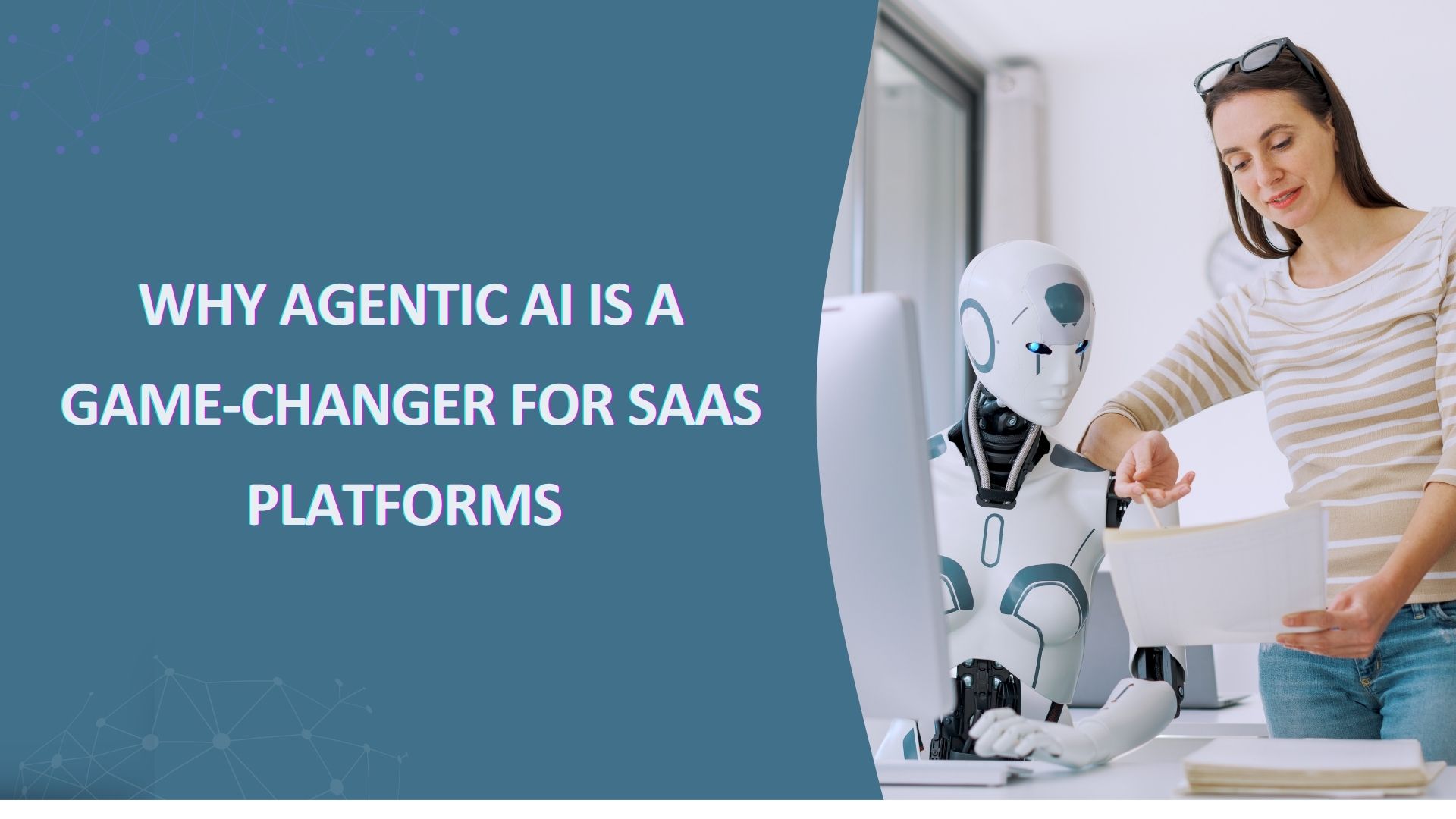
In the fast-moving world of software, a new kind of AI is making waves: Agentic AI. It is smart, fast, and […]

Explore more about Agentic AI, its services, Agentic AI data solutions, and Agentic AI training data! Keep reading this blog.