
Transforming Geological Data into Actionable Insights
In geological research, data often sits as an untapped treasure, waiting to be deciphered. The advent of AI has revolutionized the way complex datasets are processed and interpreted, turning them into actionable insights. AI technologies, particularly machine learning models, excel at identifying patterns and anomalies within immense datasets, uncovering insights previously obscured by sheer volume. An AI App Builder can be instrumental in developing these machine learning models, offering customized solutions tailored to specific datasets.
A practical example is the use of AI in mineral exploration. Mining companies leverage AI App Builders to develop predictive models that forecast mineral-rich areas with higher accuracy. This not only guides better investment decisions but also minimizes environmental impact by reducing the need for extensive exploratory drilling. AI App Builders facilitate creating custom applications tailored to specific geological challenges, integrating AI solutions with existing systems without overhauling IT infrastructure.
The implementation of AI in geological research is reshaping how firms operate globally. In Canada, a leading mining firm used AI to analyze historical drilling data, resulting in a 20% increase in resource identification accuracy. Such real-world applications underscore AI’s transformative power, making it an indispensable asset in modern geological research.
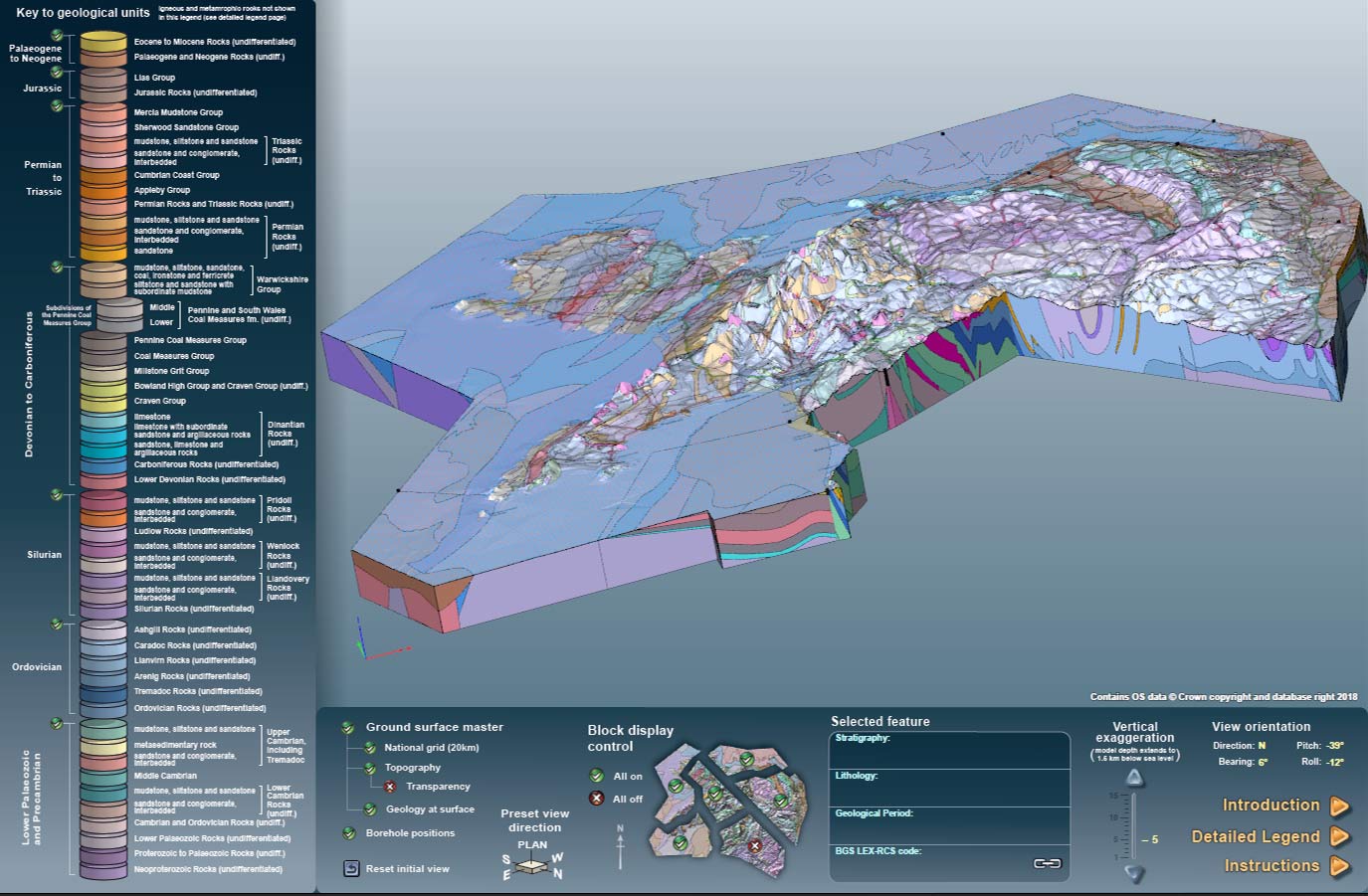
Moreover, AI’s role extends to data visualization, where complex datasets are transformed into easily interpretable formats. This enhances decision-making, allowing geologists to communicate findings more effectively to stakeholders. AI-driven visualization tools can create 3D models of subsurface structures, aiding in strategic planning and securing investment by offering a tangible representation of geological prospects.
AI also streamlines processing satellite imagery and geospatial data, critical for identifying geological formations and mineral deposits. By automating these processes, AI reduces the time required for data analysis, enabling quicker decision-making. This agility is crucial in a field where timing significantly impacts investment outcomes.
Furthermore, AI enhances geological models’ accuracy by incorporating real-time data from various sensors and monitoring devices. This integration allows for continuous updating of models based on the latest information, ensuring decision-makers have current and relevant data. For instance, real-time seismic activity monitoring can provide early warnings of potential geological hazards, allowing timely interventions and reducing costly disruptions. AI App Builders are integral in creating these tailored applications that can adapt to new data inputs seamlessly.
Integrating Technology for Enhanced Research Efficiency
Technological advancements are transforming geological research, with cloud computing and big data playing significant roles. These technologies streamline research processes, making data storage, retrieval, and analysis more efficient and cost-effective. Cloud-based solutions offer scalable resources that adjust to the dynamic needs of geological projects, ensuring operations remain flexible and efficient. AI App Builders are often used to develop cloud applications that meet these specific needs.
The integration of enterprise AI into research methodologies further enhances efficiency by automating repetitive tasks and providing predictive analytics. Consider AI-driven simulations modeling geological processes, offering researchers insights into potential outcomes and risks. This reduces time and effort required for traditional research methods, allowing scientists to focus on complex problem-solving.
Tech tools such as AI App Builders are crucial in improving research workflows. They enable developing bespoke applications that address unique challenges faced by geological firms. By automating data collection and analysis, these tools free up valuable time and resources, leading to increased productivity and more accurate results. For example, a geological survey team might use an AI App Builder to create an app that automates rock sample analysis, providing instant feedback and reducing the need for labor-intensive laboratory testing.
The impact of these technological integrations is profound. In a case study from Australia, a geological firm reported a 30% reduction in research time and a 25% cost saving after implementing cloud-based solutions and AI-driven analytical tools. Such outcomes highlight the tangible benefits of embracing technology in geological research.
Additionally, big data analytics allows for aggregating and analyzing data from various sources, such as satellite imagery and remote sensing technologies. This holistic approach provides a comprehensive view of geological formations, enhancing predictions and models’ accuracy. Big data, combined with enterprise AI, enables processing vast amounts of information in real-time, offering insights previously unobtainable.
The integration of Internet of Things (IoT) devices in geological research deserves mention. IoT sensors can collect real-time data on environmental conditions, seismic activity, and other critical parameters. This data is fed into AI systems for analysis, resulting in more accurate and timely insights. For instance, IoT devices can monitor soil moisture levels, providing valuable information for water management in mining operations. The synergy between IoT and AI not only enhances data collection but also improves the precision of geological models.
Moreover, blockchain technology is emerging as a promising tool for ensuring data integrity and transparency in geological research. By creating immutable records of geological data and transactions, blockchain can enhance trust among stakeholders and facilitate more secure and efficient collaborations. This development represents yet another frontier in the ongoing evolution of the geological research landscape.
Leveraging SEO to Reach Target Customers in Geological Investment
In the competitive field of geological research, connecting with potential investors and customers is crucial. This is where SEO, or search engine optimization, becomes a key player. SEO offers a pathway to enhance online visibility and effectively reach target audiences. Ecommerce SEO services tailored for geological firms focus on optimizing websites to attract investors actively seeking opportunities in this niche. By using AI App Builders, firms can create apps that integrate SEO features directly into their platforms, enhancing their visibility.
Keyword optimization is at the heart of effective SEO strategies. By incorporating relevant terms such as “AI App Builder” and “enterprise AI,” firms can improve their search engine rankings, making them more accessible to potential investors. This not only increases web traffic but also enhances the firm’s credibility and authority within the industry. For instance, a geological firm that ranks high on search results for “mineral exploration AI tools” is more likely to attract interested investors.
Effective SEO strategies are more than just about keywords; they involve creating content that resonates with the target audience. This means understanding the needs and interests of potential investors and crafting messages that highlight the value proposition of the firm’s research and technological capabilities. By doing so, geological firms can not only attract but also retain the interest of their audience.
Consider the success story of a geological consultancy that embraced ecommerce SEO services. By optimizing their online presence and focusing on targeted content, they saw a 40% increase in inquiries from potential investors within six months. Such results demonstrate the power of SEO in bridging the gap between geological research firms and their target customers.
Moreover, SEO strategies can include the use of multimedia content, such as videos and infographics, to engage audiences more effectively. By presenting complex geological data in an accessible format, firms can make their findings more relatable and appealing to a broader audience. This approach not only enhances engagement but also fosters trust and credibility with potential investors.
In addition, local SEO strategies can be employed to target investors in specific regions or countries. By optimizing for location-based keywords, geological firms can attract investors interested in projects within certain geographic areas. This targeted approach ensures that marketing efforts are focused on the most relevant audience, maximizing the return on investment for SEO initiatives.
Furthermore, SEO analytics tools can provide valuable insights into user behavior and preferences, allowing firms to refine their strategies and improve engagement. By analyzing metrics such as page views, bounce rates, and conversion rates, firms can identify areas for improvement and optimize their content to better meet the needs of their audience. This data-driven approach ensures that SEO efforts are aligned with business objectives and contribute to sustained growth and success.
Incrementality Testing: Measuring the Impact of AI and Technology
To truly grasp the effectiveness of AI and technological investments, incrementality testing is essential. This method measures the incremental value added by new technologies, providing a clear picture of their impact on a firm’s operations and outcomes. Incrementality testing involves comparing outcomes with and without the implementation of new technologies, and using AI App Builders can streamline this testing process by automating data comparisons.
For instance, a geological firm might use AI App Builders to develop a predictive model for mineral exploration. By comparing the results of explorations conducted with this model against those done without it, the firm can quantify the model’s value. This approach allows firms to make informed decisions about future investments in technology, ensuring that resources are allocated efficiently.
Real-world examples abound, such as firms using incrementality testing to assess the impact of enterprise AI on their research methodologies. These tests have demonstrated that AI-driven processes often lead to more accurate predictions and more efficient use of resources, validating the investment in AI technologies.
A notable example comes from a leading oil exploration company that implemented incrementality testing to evaluate the impact of AI-driven seismic data analysis. The results showed a 15% increase in drilling success rates and a 20% reduction in exploration costs. Such findings underscore the importance of incrementality testing in measuring the tangible benefits of technological investments.
Additionally, incrementality testing provides insights into the scalability of AI solutions. By understanding how AI models perform under different conditions, firms can optimize their deployment strategies, ensuring that they derive maximum value from their technological investments. This not only enhances operational efficiency but also positions firms to capitalize on emerging opportunities in the geological landscape.
Moreover, incrementality testing can reveal the long-term benefits of technology adoption. By tracking performance over time, firms can assess whether the initial improvements are sustained and identify areas for further enhancement. This long-term perspective is crucial for strategic planning and ensuring that technological investments continue to deliver value in the face of evolving market conditions.
Furthermore, incrementality testing can help firms identify potential areas of improvement in their AI implementations. By analyzing the data collected during these tests, firms can pinpoint weaknesses or inefficiencies in their AI models and make necessary adjustments to enhance performance. This iterative approach ensures that AI technologies remain effective and relevant in a rapidly changing industry.
Data-Driven Decision Making with Spend Analytics
In the geological sector, effective resource allocation is crucial for maximizing returns on investment. Tools like Suplari.com Spend Analytics provide the insights needed to make data-driven decisions. By analyzing expenditure patterns, these tools help firms identify areas of overspending and opportunities for cost savings. AI App Builders can be used to create custom dashboards for visualizing spend analytics data, making it easier for decision-makers to act on insights.
Suplari.com Spend Analytics offers capabilities that go beyond basic spend analysis. It integrates with existing systems to provide real-time insights into spending trends, allowing firms to adjust their strategies proactively. For example, a geological firm might use Suplari.com Spend Analytics to track the costs associated with drilling operations, identifying inefficiencies and optimizing resource allocation.
The benefits of using spend analytics are evident in case studies where firms have successfully implemented these tools to optimize their budgets and improve financial performance. In one instance, a geological firm reduced its operational expenses by 10% within a year by leveraging the insights provided by Suplari.com Spend Analytics.
With spend analytics, geological firms can allocate resources more strategically, ensuring that investments in technology and research yield the highest possible returns. This data-driven approach not only enhances operational efficiency but also positions firms to capitalize on emerging opportunities in the geological landscape.
Furthermore, Suplari.com Spend Analytics can uncover hidden costs and inefficiencies that might otherwise go unnoticed. By providing a granular view of spending patterns, these tools enable firms to make informed decisions about budget allocations and prioritize investments that offer the greatest potential for growth and innovation.
In addition, spend analytics can support strategic decision-making by providing insights into supplier performance and contract compliance. By analyzing supplier data, firms can identify reliable partners and negotiate better terms, ultimately reducing supply chain risks and enhancing operational resilience. This holistic approach to spend management ensures that geological firms remain competitive and agile in a rapidly changing industry.
Moreover, Suplari.com Spend Analytics can help firms monitor the effectiveness of their cost-saving initiatives. By tracking key performance indicators and comparing them against historical data, firms can assess the impact of their strategies and make necessary adjustments to achieve desired outcomes. This continuous feedback loop ensures that spend management efforts remain aligned with business objectives and contribute to long-term success.
Future Trends: The Intersection of AI, Technology, and Geological Research
Looking ahead, the intersection of AI, technology, and geological research promises exciting developments. Predicted advancements in AI and machine learning are set to further revolutionize the field, offering new tools and methodologies for data analysis and interpretation. More sophisticated AI algorithms could enable the analysis of complex geological datasets in real-time, providing insights that were previously unattainable. AI App Builders will likely play a crucial role in developing these new tools, enabling rapid prototyping and deployment.
Automation will play a significant role in the future of geological research, streamlining processes and reducing the need for manual intervention. This shift towards automation presents both challenges and opportunities for firms, requiring them to adapt to new technologies while maintaining a competitive edge. For example, automated drones equipped with AI-driven sensors could revolutionize data collection in remote areas, reducing the need for human presence and increasing the speed of data acquisition.
As the landscape evolves, geological firms must stay abreast of these trends to remain relevant. Embracing AI and technology not only enhances research capabilities but also opens new avenues for investment and growth. Firms that leverage these advancements will be well-positioned to lead the way in the ever-changing world of geological research.
However, with these opportunities come potential challenges, such as data privacy concerns and the need for skilled personnel to manage complex AI systems. Firms must address these issues proactively, ensuring they can fully harness the benefits of AI and technology while mitigating associated risks.
In conclusion, the future of geological research is bright, with AI and technology poised to drive innovation and efficiency. By embracing these advancements, firms can unlock new possibilities and redefine the boundaries of what is possible in geological research. The onus is on the industry to adapt and innovate continuously, ensuring that the benefits of technological advancements are fully realized and that the sector remains at the forefront of scientific discovery and economic growth.
Additionally, the integration of blockchain technology in geological research could offer new ways to ensure data integrity and transparency. By creating immutable records of geological data and transactions, blockchain can enhance trust among stakeholders and facilitate more secure and efficient collaborations. This development represents yet another frontier in the ongoing evolution of the geological research landscape.
Furthermore, the rise of quantum computing presents an exciting avenue for future exploration. Quantum computers have the potential to solve complex geological problems that are currently beyond the reach of classical computers. By harnessing the power of quantum computing, geological firms could unlock new levels of insight and innovation, paving the way for groundbreaking discoveries and advancements in the field. This potential underscores the importance of staying informed and prepared to embrace new technologies as they emerge, ensuring the geological research sector remains at the forefront of scientific and technological progress.