
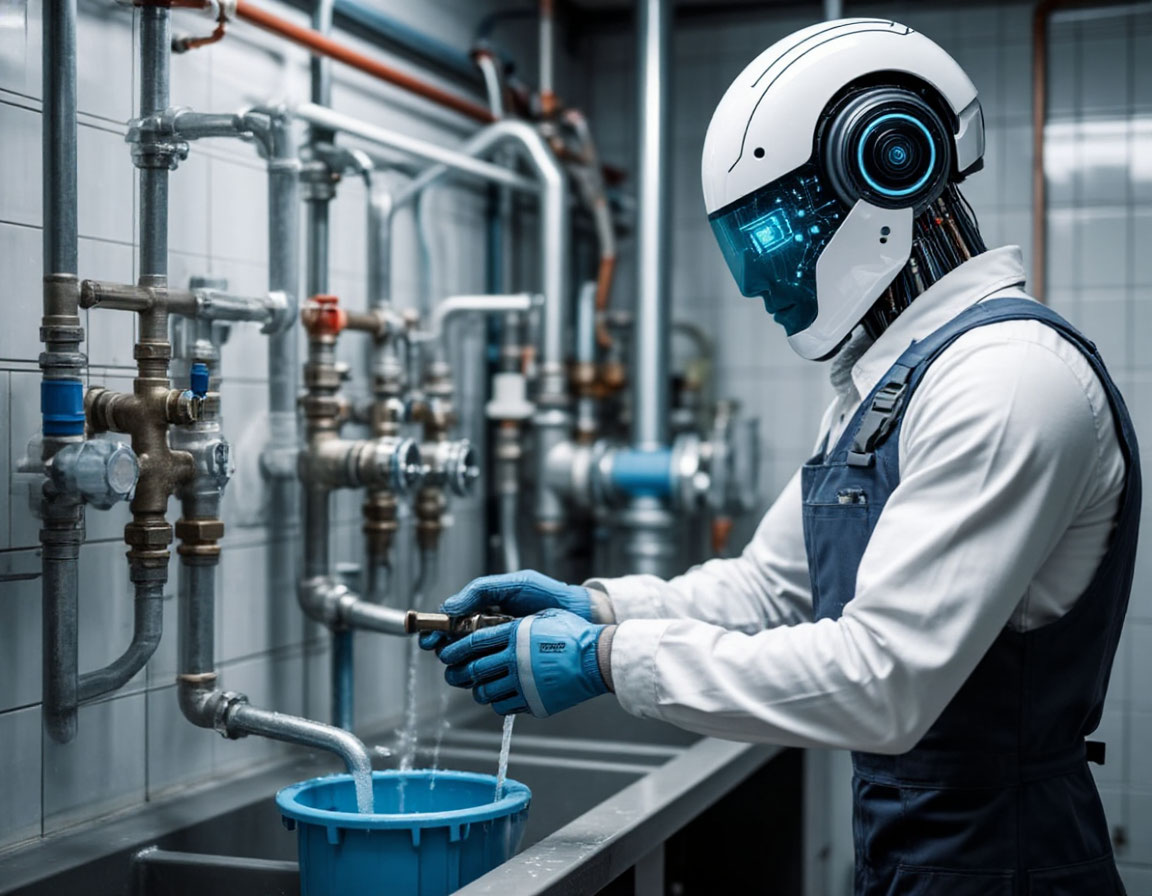
 Artificial intelligence is transforming many traditional industries, and plumbing is increasingly benefiting from smarter technology. Modern plumbing systems can now use sensors, connected devices, data analysis, and AI-powered software to detect potential problems, monitor water usage, and support faster maintenance decisions.
For homeowners, property managers, and businesses, plumbing problems can become expensive when they are discovered too late. A small leak can eventually cause water damage, mold, equipment failure, or structural issues. AI-powered technologies can help identify unusual conditions earlier and provide useful information to maintenance professionals.
As these technologies continue to develop, AI is becoming an important tool for making plumbing maintenance more proactive, efficient, and data-driven.
AI and Early Leak Detection
One of the most useful applications of AI in plumbing is leak detection. Traditional inspections often depend on visible signs of water damage or scheduled maintenance visits.
Smart sensors can continuously monitor water flow, pressure, temperature, and other conditions. AI systems can analyze this information and identify patterns that may indicate a leak.
For example, a sudden increase in water consumption when a building is normally unoccupied could indicate a plumbing issue. An AI system can flag the unusual activity and notify property managers or maintenance teams.
Early detection can help prevent minor problems from becoming major repairs.
Predictive Plumbing Maintenance
Traditional plumbing maintenance is often reactive. A problem occurs, and a professional is called to repair it.
Predictive maintenance takes a different approach. AI can analyze historical information, equipment conditions, and sensor data to identify potential problems before they result in complete system failure.
For commercial properties, this approach can be particularly valuable. Businesses often have extensive plumbing infrastructure, including water heaters, pumps, pipes, fixtures, and specialized equipment.
AI can help maintenance teams prioritize systems that show signs of unusual performance.
Monitoring Water Usage
Water consumption can provide valuable information about a building’s plumbing system. Sudden changes in usage may indicate leaks, equipment problems, or changes in occupancy.
AI-powered monitoring systems can analyze consumption patterns over time and identify unusual activity.
Businesses can use this information to understand where water is being consumed and whether usage is consistent with expected operations.
Reducing unnecessary water consumption can also lower operating costs and support sustainability goals.
Faster Plumbing Diagnostics
When a plumbing problem occurs, identifying the cause quickly can save time and reduce disruption.
AI can help professionals analyze data from sensors, maintenance records, equipment specifications, and previous incidents.
For example, a system might compare current pressure readings with historical information and identify conditions associated with previous failures.
AI does not replace a plumber’s physical inspection or professional judgment. Instead, it can provide additional information that helps technicians investigate problems more efficiently.
AI in Commercial Plumbing
Large commercial buildings can have complex plumbing systems that are difficult to monitor manually. Hospitals, hotels, restaurants, office buildings, schools, and industrial facilities may have extensive networks of pipes and equipment.
AI-powered monitoring can provide continuous information about these systems.
Property managers working with commercial plumbing contractors Sacramento can use technology-supported maintenance strategies to monitor equipment and identify potential problems between scheduled service visits.
This can help maintenance teams prioritize urgent issues and plan repairs more efficiently.
Smart Sensors and Connected Plumbing
The growth of the Internet of Things has made it easier to connect plumbing equipment to digital monitoring systems.
Smart sensors can measure variables such as water flow, pressure, temperature, and moisture. These devices can send information to centralized platforms where AI systems analyze it.
When the system identifies an unusual pattern, it can generate an alert.
Connected plumbing technology can therefore create a continuous feedback loop between physical infrastructure and digital monitoring tools.
Preventing Water Damage
Water damage can be costly, particularly in commercial buildings. A leak behind a wall or under a floor may remain unnoticed until significant damage has already occurred.
AI-powered sensors can help identify abnormal moisture levels or water flow.
Some systems can automatically alert building managers when potential leaks are detected. Depending on the equipment and installation, smart shutoff systems may also be able to stop water flow under certain conditions.
These technologies can provide an additional layer of protection, although they should not replace regular inspections and professional maintenance.
Improving Maintenance Scheduling
AI can also help organizations decide when maintenance should be performed.
Instead of relying entirely on fixed schedules, predictive systems can use equipment performance and historical data to identify when attention may be needed.
This can help prevent unnecessary maintenance while reducing the likelihood of unexpected failures.
For businesses, better scheduling can also make it easier to plan service during periods that minimize disruption to customers and employees.
Energy Efficiency and Plumbing Systems
Plumbing and energy use are often connected. Water heating, pumping, and distribution can contribute significantly to a building’s energy consumption.
AI can analyze information from water and energy systems to identify opportunities for greater efficiency.
For example, a building may be able to adjust water heating schedules based on occupancy patterns. Smart controls can also help identify equipment that consumes more energy than expected.
These improvements can support both operational efficiency and environmental goals.
AI and Building Management Systems
Modern commercial properties often use centralized building management systems to control lighting, heating, cooling, security, and other infrastructure.
Plumbing data can increasingly become part of these systems.
When plumbing sensors are integrated into a larger building platform, property managers can monitor multiple aspects of facility performance from one location.
AI can analyze these combined datasets and identify relationships between different building systems.
This integrated approach can make facility management more efficient.
Challenges of AI-Powered Plumbing Technology
AI-powered plumbing systems have many benefits, but they also come with limitations.
Sensors and smart equipment require installation, maintenance, connectivity, and sometimes software subscriptions. Businesses also need employees who understand how to interpret alerts and respond appropriately.
Data security is another consideration. Connected devices can generate information about building operations, so organizations should use appropriate cybersecurity practices.
Most importantly, AI should not be treated as a substitute for qualified plumbing professionals. Physical inspections, repairs, installations, and complex diagnoses still require appropriate expertise.
The Future of Plumbing Maintenance
As AI becomes more sophisticated, plumbing systems are likely to become increasingly connected and predictive.
Future systems may continuously analyze water pressure, flow rates, equipment performance, environmental conditions, and maintenance histories.
Instead of discovering a plumbing failure after it happens, building managers may receive warnings that a component is showing signs of deterioration.
This could shift plumbing maintenance from a reactive model toward a more proactive approach.
Conclusion
AI-powered technology is improving plumbing maintenance by enabling earlier leak detection, predictive monitoring, smarter water management, faster diagnostics, and more efficient maintenance scheduling.
For commercial properties, these capabilities can be particularly valuable because complex plumbing systems require regular monitoring and professional attention. Businesses working with commercial plumbing contractors Sacramento can combine professional expertise with smart monitoring technology to improve system reliability and reduce unexpected disruptions.
AI will not replace skilled plumbers. Instead, it can provide professionals with better information, allowing them to identify potential problems sooner and make more informed maintenance decisions.
As connected technology continues to advance, AI-powered plumbing maintenance will likely become an increasingly important part of modern building management.