

Future-Proofing Your Business: AI & Tech Trends You Can’t Ignore
The modern world operates on technology. Businesses also step into the digital space to win more customers and sales. However, competition is […]
The modern world operates on technology. Businesses also step into the digital space to win more customers and sales. However, competition is […]

Travel data scraping helps businesses gather real-time insights on pricing, customer preferences, and market trends. By extracting data from travel websites, businesses can optimize pricing strategies, improve customer experiences, and gain a competitive edge. This data-driven approach enables better decision-making, targeted marketing, and enhanced service offerings, ultimately driving business growth.

Discover how AI enhances Amazon FBA prep services by automating inventory management, improving quality control, and streamlining packaging processes. Learn how advanced algorithms boost efficiency, reduce errors, and optimize logistics for sellers.

Artificial intelligence (AI) is revolutionizing the cleaning industry by improving efficiency, reducing costs, and enhancing service quality. AI-powered cleaning robots, including autonomous vacuum cleaners and smart window-cleaning devices, streamline operations and ensure safety. Commercial cleaning services benefit from AI-driven predictive maintenance, real-time monitoring, and optimized scheduling, leading to better quality control and resource management.
AI also supports eco-friendly initiatives by reducing waste and optimizing cleaning resources, while AI-powered research contributes to the development of sustainable cleaning products. In residential cleaning, AI offers personalized recommendations and enhances customer support through virtual assistants and chatbots.

Leveraging location intelligence can significantly improve convenience store operations. By utilizing data-driven insights, store owners can optimize store locations, enhance operational efficiency, and drive higher sales. This guide provides actionable tips on how location intelligence helps in strategic decision-making, customer targeting, and overall business growth.

Cloud computing is transforming time tracking and workflow management for remote teams by providing seamless access to real-time data, automated tracking, and enhanced collaboration. With cloud-based tools, businesses can monitor productivity, streamline project management, and ensure transparency, regardless of team members’ locations. Features like AI-powered analytics, integration with other digital tools, and secure data storage make cloud solutions essential for modern remote work. By reducing manual effort and improving efficiency, cloud computing enables teams to work smarter, stay organized, and boost overall productivity.

Tivazo is a powerful time tracking software designed to enhance team productivity by providing accurate work-hour insights, boosting efficiency, and streamlining project management. With features like real-time tracking, automated reports, and seamless integrations, Tivazo helps businesses optimize workflows, improve accountability, and eliminate time wastage. Whether for remote teams or in-office staff, this tool ensures better time utilization, ultimately driving higher performance and business success.
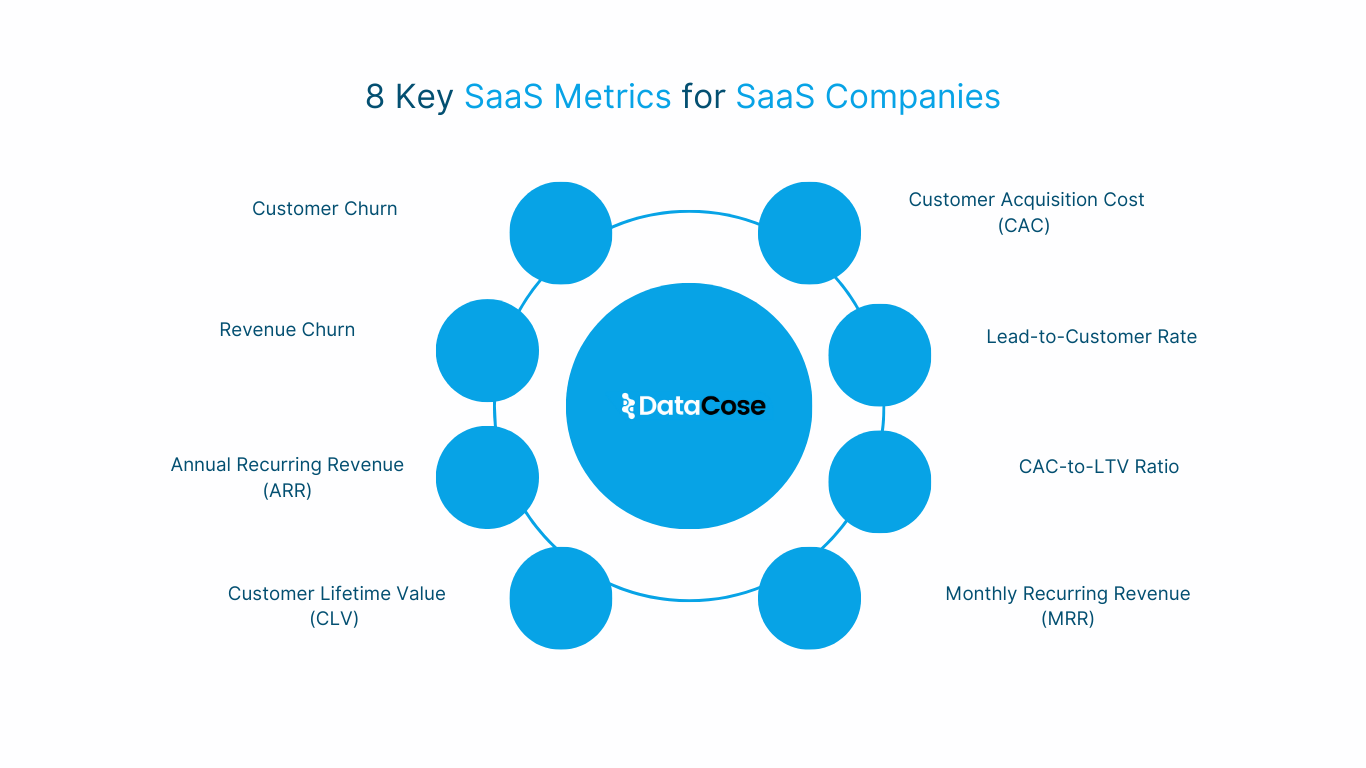
This article provides a beginner-friendly guide to essential B2B SaaS metrics, explaining their importance and how to track them effectively. Key metrics like Monthly Recurring Revenue (MRR), Customer Acquisition Cost (CAC), Customer Lifetime Value (CLV), Churn Rate, and Net Revenue Retention (NRR) are discussed in simple terms. It highlights how these metrics help measure growth, customer satisfaction, and overall business health. The guide also introduces basic tools and strategies for tracking and analyzing these metrics, empowering beginners to make data-driven decisions for their SaaS business.

Product matching is a crucial strategy for enhancing the success of e-commerce stores. It involves comparing and identifying similar or identical products across various platforms to ensure accurate listings, pricing, and inventory management. This process improves the customer experience by offering relevant recommendations, personalized suggestions, and seamless navigation, ultimately increasing conversion rates. Additionally, product matching helps businesses stay competitive by tracking market trends, optimizing pricing strategies, and reducing the risk of duplicate or outdated listings. Implementing product matching technologies can lead to better decision-making, improved operational efficiency, and a significant boost in sales for e-commerce stores.

rtificial Intelligence (AI) is playing a crucial role in building and enhancing the metaverse, a virtual world where people interact, work, and play. AI contributes to the metaverse by enabling realistic virtual environments, creating intelligent avatars, and personalizing user experiences. AI-powered tools generate 3D assets, simulate lifelike physics, and support natural language processing for seamless communication. It also enhances scalability, ensuring smooth interactions among millions of users in real-time.
Additionally, AI drives content moderation, ensures user safety, and helps in analyzing vast amounts of data to optimize the metaverse’s performance. By integrating AI, the metaverse is becoming more immersive, interactive, and accessible, paving the way for its transformative impact on industries like gaming, education, healthcare, and commerce.

The financial markets have undergone a transformative evolution with the advent of machine learning (ML) technologies. This paper explores the progressive integration of ML in financial applications, tracing its journey from traditional statistical models to cutting-edge deep learning techniques. Key advancements in algorithmic trading, risk management, fraud detection, and portfolio optimization are discussed, highlighting the role of ML in enhancing predictive accuracy and decision-making efficiency. Furthermore, the challenges of data quality, model interpretability, and ethical considerations are examined. By reflecting on past developments and emerging trends, this study provides a comprehensive overview of how machine learning is shaping the future of financial markets, driving innovation while addressing inherent complexities.