
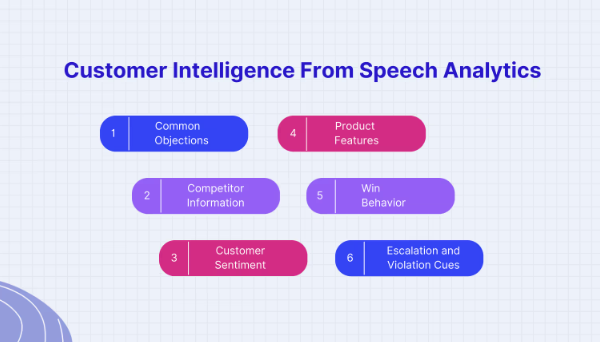
Customer intelligence in speech analytics software

How does AI detect tone of voice?

AI’s ability to detect tone of voice is powered by advanced natural language processing (NLP) and machine learning algorithms. These systems analyze linguistic features such as word choice, sentence structure, punctuation, and even vocal cues in spoken language, like pitch, tempo, and intensity. By training on vast datasets, AI learns to recognize patterns associated with emotions, sentiments, and conversational nuances. This technology is used in applications like sentiment analysis, customer service, and mental health tools, enabling AI to interpret not just what is being said, but how it’s being communicated.


The Role of AI in Transforming Modern Church Services

Artificial Intelligence (AI) is reshaping the landscape of modern church services, enhancing spiritual engagement, administration, and outreach. This article explores AI’s transformative impact, including personalizing worship experiences, streamlining administrative tasks, and assisting in sermon creation. AI tools improve outreach efforts through targeted advertising, social media engagement, and personalized communication materials like church flyers. Technologies such as Virtual Reality (VR) and Augmented Reality (AR) create immersive worship experiences, while AI-driven tools support spiritual counseling and worship music composition. Additionally, AI enhances inclusivity with real-time translations and assistive technologies, empowering churches to better serve diverse congregations. Despite ethical challenges such as data privacy and algorithmic biases, AI presents immense opportunities to modernize church services while retaining spiritual authenticity. By embracing these innovations responsibly, churches can foster deeper connections and fulfill their mission more effectively.