

How AI in Manufacturing Is Transforming the Future of Industrial Automation
IntroductionAI in manufacturing is no longer a futuristic concept—it’s a present-day reality reshaping how factories operate. With the rise of Industry 4.0, […]
IntroductionAI in manufacturing is no longer a futuristic concept—it’s a present-day reality reshaping how factories operate. With the rise of Industry 4.0, […]

Explore how South Africa’s AI startups are redefining software development and shaping the future of tech innovation.

As the AI landscape rapidly evolves in 2025, businesses of all sizes are adopting intelligent systems to automate operations, improve customer engagement, […]

This article explores how AI is transforming the HR lifecycle—from resume screening and bias-free hiring to onboarding, performance management, employee engagement, and retention. It highlights how AI improves decision-making, automates routine tasks, and enhances personalization throughout the employee journey. The conclusion emphasizes the growing importance of HR software development that integrates AI to drive smarter, more efficient, and scalable HR operations.

In 2025, businesses aren’t asking “Should we use AI?” — they’re asking “How can we use AI to drive ROI?”As artificial intelligence […]
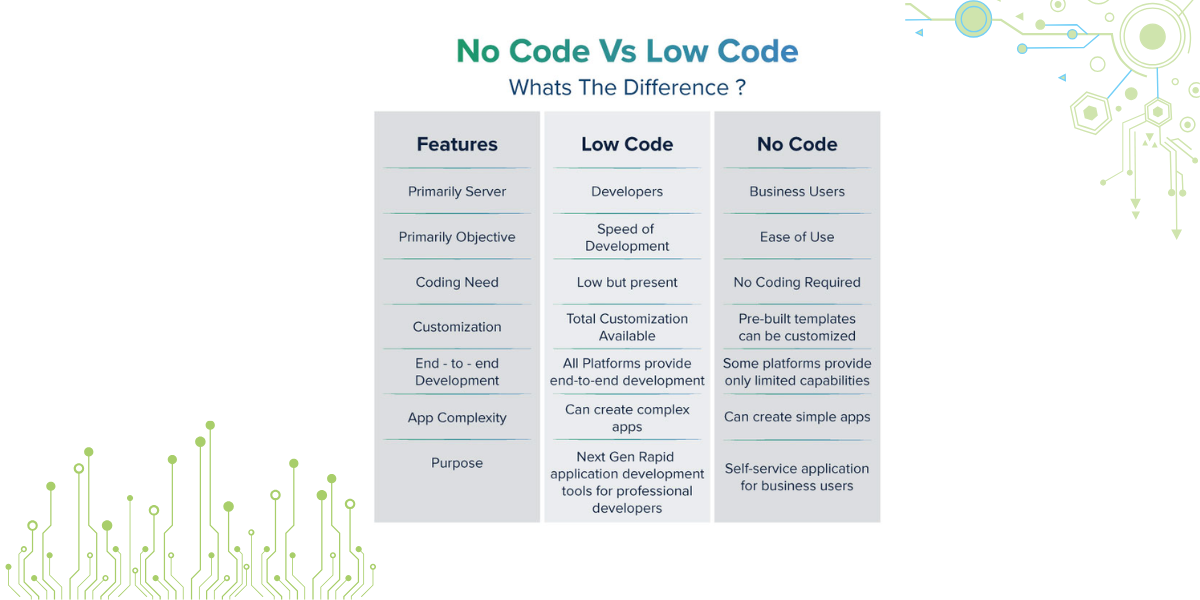
Did you know traditional web app development can take more than four months to get launched? Now, that’s a bottleneck for businesses […]

Generative AI is revolutionizing industries, but its integration into production systems requires careful planning. This article examines key aspects of Generative AI integration, focusing on data engineering, model deployment, and MLOps practices. It highlights essential tools and frameworks for serving, monitoring, and orchestrating AI models, offering insights into building scalable and reliable generative AI systems. This guide is aimed at practitioners seeking to implement efficient and sustainable AI solutions.

In 2025, Data Engineering Services are evolving to meet the growing demand for real-time analytics, AI-powered automation, and scalable cloud-native architectures. This article explores the latest trends reshaping the field, including real-time data processing, AI integration within data pipelines, and the adoption of cloud-first strategies. The rise of DataOps and MLOps practices has transformed how data teams operate, enabling faster and more efficient data handling. Businesses leveraging modern data engineering solutions gain a competitive edge through quicker decision-making, improved data quality, and enhanced operational efficiency.

Phishing scams are no longer obvious. Forget the broken English, the weird formatting, or the laughable stories from fake royals. Those are long gone. What’s taking over now are realistic, well-written emails that look and sound legitimate.

Document fraud has evolved from slow, manual forgeries into rapid, AI-enabled attacks that static, rule-based systems can no longer contain. This article explores how machine learning detects subtle visual tampering, semantic inconsistencies, and behavioral anomalies at scale – and why integrating expert human review remains essential for staying ahead of increasingly sophisticated fraudsters.

Large events pull in big crowds. Whether it’s the FIFA World Cup or a global summit, thousands of people show up. Event […]