
South Africa’s startup scene is undergoing a radical shift—and artificial intelligence is at the heart of it. Once dominated by fintech apps and marketplace platforms, the country’s innovation ecosystem is now buzzing with AI-first startups solving real-world problems with next-gen software solutions. These aren’t just AI gimmicks; they’re tools built to transform industries.
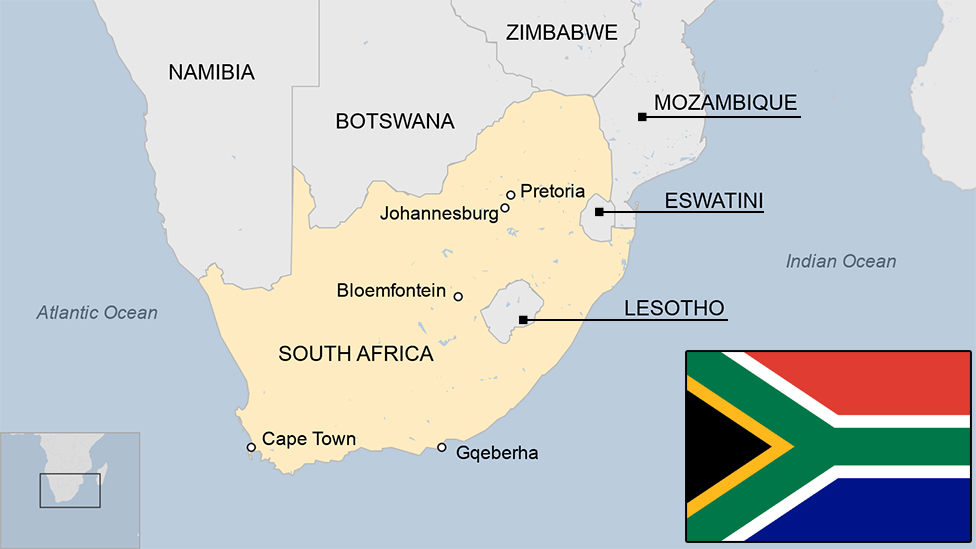
In cities like Cape Town, Johannesburg, and Pretoria, young startups are combining machine learning, data science, and edge computing to create intelligent platforms. From agriculture and retail to logistics and healthcare, AI-driven software is making South African companies smarter, leaner, and more competitive—at home and globally.
This article takes you inside the trends shaping South Africa’s AI startup boom, the types of software innovations emerging, and what it means for businesses looking to build, scale, or invest in custom solutions.
The AI Startup Landscape: Young, Hungry, and Hyperlocal
South Africa’s AI startup scene is relatively young compared to markets like the US or Europe, but what it lacks in age, it makes up for in grit and ingenuity. These startups are rooted in local problems—access to finance, healthcare inequality, climate change—and they’re building software that reflects this context.
Many of these startups are bootstrapping their way forward, relying on lean development methodologies and open-source AI frameworks. Others are supported by incubators like Savannah Fund, AlphaCode, and Founders Factory Africa, which provide funding, mentorship, and technical support.
What stands out most is their commitment to contextual AI—software systems trained on South African data, tuned to local languages, behaviors, and constraints. This is what separates them from imported tech: they understand the market.
Trend 1: AI for Financial Inclusion
One of the biggest drivers of AI innovation in South Africa is the need to bring more people into the financial system. With millions of people unbanked or underbanked, startups are developing AI-powered solutions that offer alternative credit scoring, fraud detection, and personalized mobile banking.
Take Yoco, a Cape Town-based fintech startup that uses AI to help small merchants process card payments, manage inventory, and access microloans. By analyzing transaction data and customer behavior, Yoco’s platform can assess credit risk and offer tailored financial services, all from a smartphone.
Another example is Lulalend, which uses AI models to approve loans for small businesses in under 24 hours—no paperwork required.
These innovations aren’t just novel; they’re changing lives by giving entrepreneurs access to capital and tools to grow.
Trend 2: Predictive Agriculture and Climate-Tech
South Africa’s agricultural sector faces constant pressure from climate change, droughts, and supply chain disruptions. AI startups are stepping up with predictive analytics platforms that help farmers plan better.
Aerobotics, for instance, combines drone imagery and AI to monitor crop health, detect pests, and optimize irrigation. Its software helps farmers make data-driven decisions that increase yield and reduce waste. This kind of precision farming is becoming increasingly popular in rural areas where resources are limited.
Startups are also building climate risk dashboards, powered by machine learning, that help agribusinesses forecast rainfall, drought, and even commodity price fluctuations based on weather patterns.
Trend 3: Retail Intelligence and Customer Behavior Analytics
In the retail sector, AI is being used to analyze foot traffic, optimize product placement, and personalize customer experiences. Retail-focused startups are building intelligent inventory systems that track demand patterns, automate restocking, and reduce losses.
Retail Engage is one such company offering loyalty and customer engagement platforms that integrate AI for predictive behavior modeling. It helps businesses tailor promotions, understand purchasing habits, and increase customer retention.
On the e-commerce front, AI-powered recommendation engines are boosting sales by suggesting relevant products based on customer browsing history and transaction patterns.
Trend 4: AI for Health Diagnostics and Remote Monitoring
Healthcare remains one of the most exciting spaces for AI development. South African startups are building diagnostic tools that use image recognition and machine learning to identify diseases early and accurately.
Startups like Envisionit Deep AI are developing radiology solutions that reduce diagnosis times for conditions like tuberculosis, pneumonia, and cancer—key public health issues in South Africa. These tools are especially impactful in rural clinics where specialist doctors are scarce.
Meanwhile, wearable healthtech startups are incorporating AI to track vitals, alert caregivers to anomalies, and support telemedicine platforms with continuous patient data.
Trend 5: Logistics Optimization and Fleet Intelligence
In a country with vast distances and logistical challenges, AI is making a serious dent in transport and delivery inefficiencies. Logistics startups are using AI to map out optimal delivery routes, manage driver behavior, and even predict vehicle maintenance needs before breakdowns happen.
Droppa, an on-demand logistics platform, uses AI to match delivery jobs with the most suitable drivers in real time, improving delivery speed and fuel efficiency. This reduces operational costs while enhancing service reliability.
Startups are also using AI to automate warehouse operations, manage inventory levels, and forecast supply chain disruptions. It’s a full-stack transformation of how goods move across the country.
Trend 6: Natural Language Processing for Local Languages
One of the most unique areas of AI development in South Africa is the advancement of NLP (Natural Language Processing) models tailored to local languages such as Zulu, Xhosa, Afrikaans, and Sesotho. While most global AI models are English-first, South African startups are training language models to understand and respond in diverse dialects.
This is enabling more inclusive customer service bots, educational apps, and government portals that speak the language of their users—literally.
Tools like Botlhale AI are leading the way, with chatbots and speech recognition systems that can process local languages and even code-switching (mixing languages in the same sentence). This has huge implications for access to services, especially in education and government sectors.
What Makes South Africa’s AI Software Scene Unique
There are a few distinguishing factors that make the AI startup ecosystem in South Africa particularly compelling:
-
Hyper-local use cases: Most software platforms are designed to solve uniquely African problems.
-
Frugal innovation: Startups are highly resourceful, building powerful platforms with limited infrastructure.
-
Mobile-first design: With high smartphone penetration, solutions are tailored for mobile users over desktop.
-
Strong research base: Universities like UCT and Wits are producing top AI talent who often join or found startups.
-
Government interest: Policy frameworks like SA’s AI Institute and the Presidential Commission on 4IR are boosting R&D.
Challenges Ahead
Despite its promise, the AI startup scene in South Africa faces a few consistent challenges:
-
Data scarcity: Many startups lack access to high-quality, localized datasets.
-
Funding gaps: Venture capital for deep tech is limited compared to consumer apps or marketplaces.
-
Infrastructure barriers: Internet and hardware limitations in rural areas can limit product reach.
-
Regulatory uncertainty: Laws around data privacy and AI ethics are still evolving.
But these aren’t insurmountable. In fact, they’re often the fuel behind the creativity and problem-solving that defines the South African software space.
Conclusion: Why South African AI Startups Deserve Global Attention
South Africa’s AI startup ecosystem is more than a local movement—it’s a glimpse into the future of contextual, impact-driven software development. These startups aren’t just coding to impress investors. They’re solving problems that matter.
For enterprises looking to build intelligent digital solutions, tapping into this emerging market is not only strategic but also deeply rewarding. The ability to partner with a software development company in South Africa means access to agile, mission-driven teams that understand how to innovate under pressure and scale responsibly.
From AI-driven agriculture platforms to healthtech apps and predictive fintech tools, South Africa’s next wave of software is already here. And it’s speaking the language of the continent.