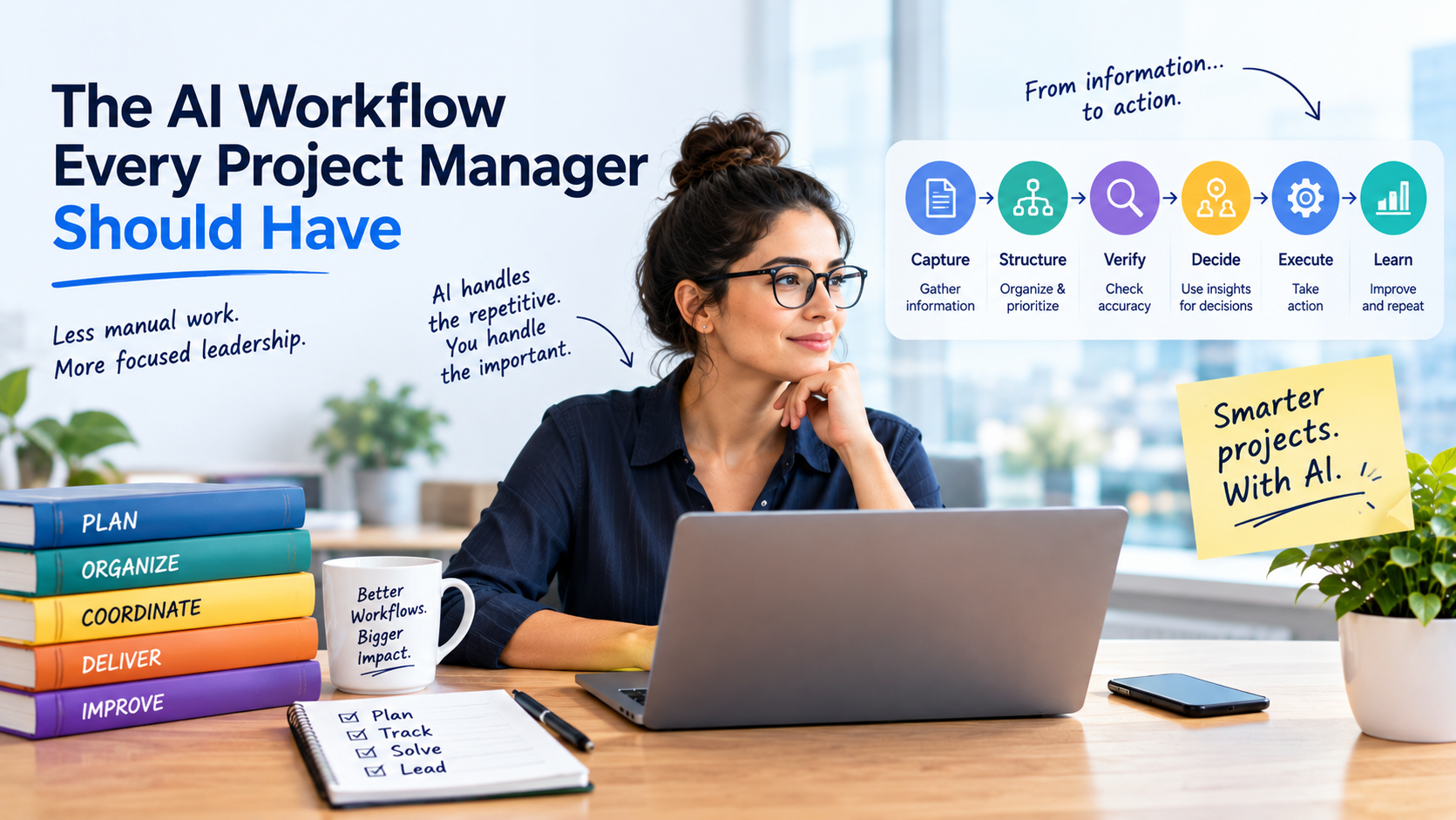
Enterprises are leveraging AI and big data to transition from reactive, historical reporting to proactive, instantaneous decision-making by processing vast streams of structured and unstructured data in real time.
Through the integration of machine learning algorithms, streaming analytics, and automated workflows, organizations can detect anomalies, forecast outcomes, and prescribe optimal actions as events unfold whether optimizing supply chains, personalizing customer interactions, or detecting fraud.
This shift is underpinned by robust data pipelines, cloud-native architectures, and edge computing, enabling split-second insights that drive operational efficiency, competitive agility, and enhanced customer experiences, while also necessitating strong governance to ensure data quality, fairness, and security at scale.