
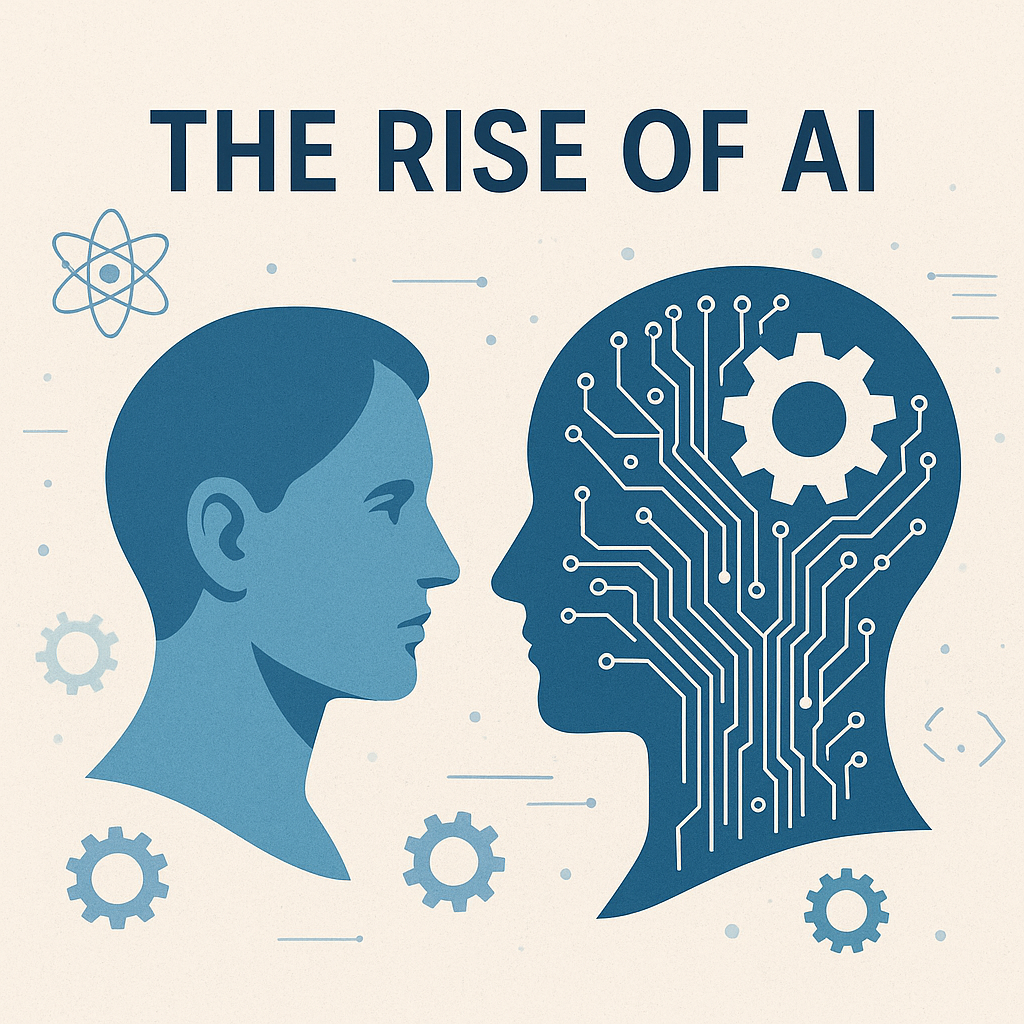
Artificial Intelligence (AI) is no longer confined to the realms of science fiction. It has become an integral component reshaping industries, revolutionizing data processing, analytics, and decision-making. As data proliferates exponentially, the role of AI in enhancing and redefining data science is profound and transformative. This article explores the intersection of AI with data science, delving into emerging trends, implications, and the limitless potential this combination unlocks for businesses and society alike.
The Convergence of AI and Data Science
Data science and AI are symbiotic fields. While data science involves extracting meaningful insights from complex data, AI provides intelligent methods and algorithms to automate, predict, and optimize these insights. Machine Learning (ML), a subset of AI, particularly stands out, enabling computers to learn patterns from data and make intelligent predictions with minimal human intervention.
Emerging Trends in AI-driven Data Science
Several key trends illustrate how AI is shaping the future of data science:
- Automated Machine Learning (AutoML): AI-driven automation of model selection, hyperparameter tuning, and data preprocessing enhances productivity and accuracy, reducing manual effort significantly.
- Natural Language Processing (NLP): Advances in NLP, such as GPT models, are dramatically improving text analytics, sentiment analysis, and automated reporting, making data science more accessible.
- Explainable AI (XAI): Transparency in AI algorithms is becoming crucial. XAI techniques offer clear, interpretable insights into how AI models make decisions, addressing trust and compliance issues.
- Edge AI: Integration of AI directly into devices (edge computing) reduces latency and improves real-time decision-making capabilities, essential for industries like healthcare, automotive, and manufacturing.
AI Applications Transforming Industries
AI-powered data science applications are already transforming various sectors:
- Healthcare: AI algorithms analyze medical images, patient data, and genetic information to deliver precise diagnostics and personalized treatment plans.
- Finance: AI-driven algorithms predict market trends, manage risk, detect fraudulent activities, and automate investment strategies, enhancing financial stability and growth.
- Retail: Customer personalization, predictive inventory management, and supply chain optimization are significantly boosted by AI, enhancing efficiency and customer satisfaction.
- Environmental Conservation: AI and data science collectively enable accurate climate modeling, wildlife conservation, and effective resource management, contributing to sustainable development.
Challenges in the AI-Data Science Ecosystem
Despite its benefits, AI in data science faces notable challenges:
- Bias and Fairness: AI systems risk inheriting biases present in data, potentially leading to unfair decisions. Ethical practices and rigorous bias testing are essential to mitigate these risks.
- Data Privacy: Balancing AI-driven insights with stringent data privacy regulations (such as GDPR) is a significant concern. Responsible data usage and anonymization techniques are imperative.
- Skills Gap: The complexity of AI tools demands a highly skilled workforce, highlighting an urgent need for extensive education, training, and reskilling initiatives.
Preparing for an AI-Driven Future
To effectively harness AI in data science, businesses and organizations must:
- Invest in continual education and upskilling in AI technologies.
- Foster interdisciplinary collaboration among data scientists, ethicists, domain experts, and technologists.
- Prioritize ethical AI practices, transparency, and robust data governance.
Conclusion
AI represents a transformative force in data science, shaping not just technology, but the core of decision-making processes across industries. As this integration matures, businesses must proactively embrace AI-driven data science strategies, addressing inherent challenges while seizing abundant opportunities. The future belongs to organizations ready to innovate, adapt, and ethically harness the unparalleled power of AI.