
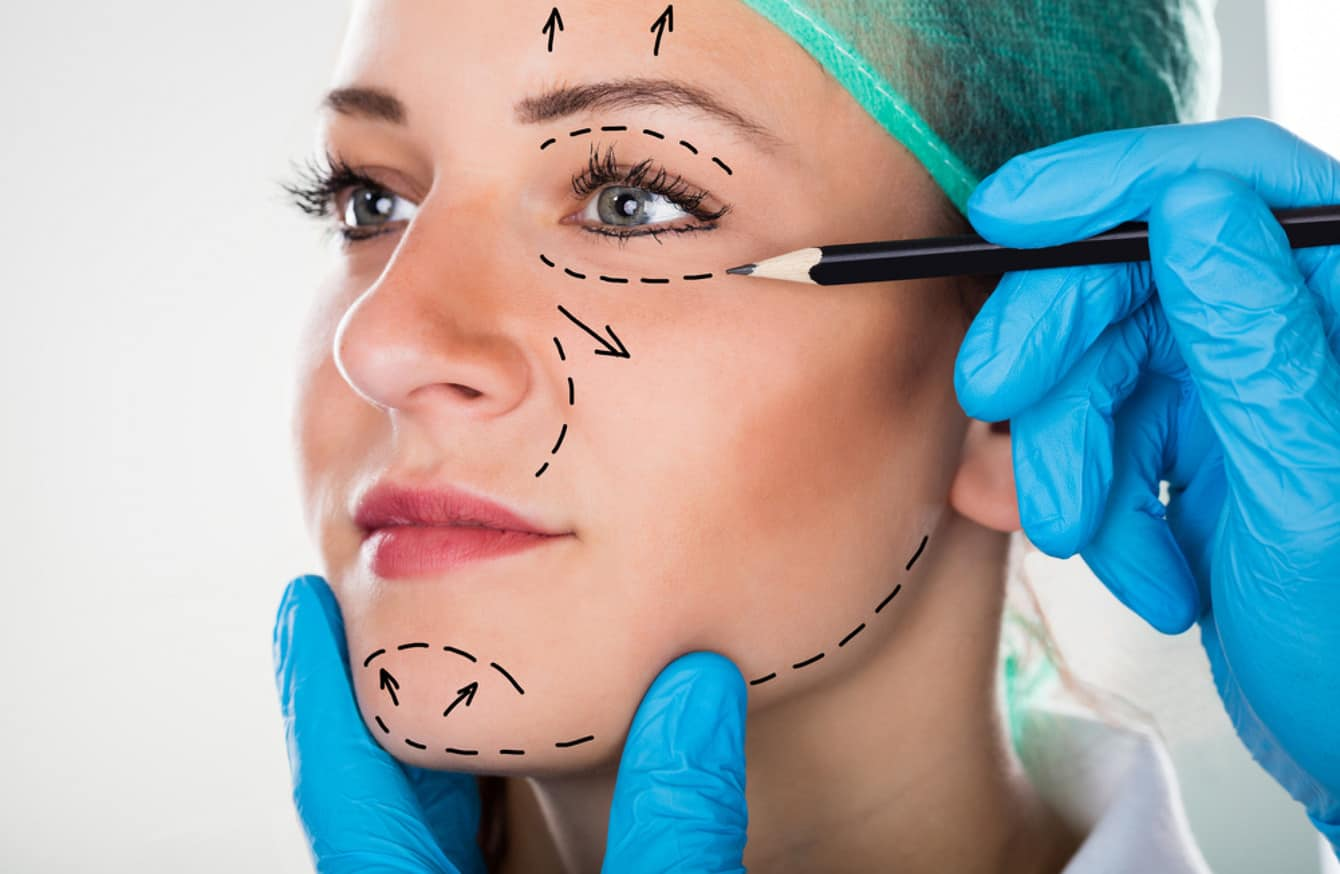
Marketing a cosmetic surgery practice requires a combination of strategic branding, digital expertise, and trust-building measures. As elective procedures can be deeply personal, prospective patients need confidence in both the practitioner’s expertise and the practice’s credibility. Here are ten effective ways to market a cosmetic surgery practice while maintaining professional integrity.
1. Establish a Strong Brand Identity
- Consistent Visuals and Messaging: Develop a cohesive logo, color scheme, font, and overall look that resonates with your target clientele. Keep this consistent across your website, social media, and promotional materials to enhance brand recognition.
- Define Your Unique Selling Proposition (USP): Identify what sets your practice apart—whether it’s cutting-edge technology, highly skilled staff, or a luxurious patient experience—and emphasize this in your messaging.
Why it matters: A recognizable brand instills trust and makes you more memorable in a competitive market like Adonis Plastic Surgery has done.
2. Create a Patient-Focused Website
- Clean and Modern Design: First impressions count. A professional, user-friendly site that highlights procedures, credentials, and testimonials will help convert curious visitors into potential clients.
- Mobile-Responsive: Many prospective patients research procedures on their phones or tablets. Ensure your site is mobile-friendly, loading quickly and displaying seamlessly across devices.
- Before-and-After Galleries: Showcasing real patient results with high-quality images or videos can help visitors imagine their own outcomes.
Why it matters: A well-designed website is often the first point of contact, setting the tone for your credibility and expertise.
3. Optimize for Local Search (SEO)
- Keyword Strategy: Use location-specific keywords (e.g., “cosmetic surgery in [Your City]”) and procedure-specific terms (e.g., “breast augmentation,” “facelift,” etc.) to improve your search ranking.
- Google Business Profile: Claim and optimize your listing with accurate business information, photos, and patient reviews. Encourage happy patients to leave positive reviews.
- Localized Content: Publish blog posts and videos addressing local events or trends in cosmetic surgery. This signals relevance to search engines and helps build authority.
Why it matters: A strong local search presence makes it easier for nearby patients to discover and choose your practice.
4. Leverage Social Media Marketing
- Platform Selection: Focus on visually driven platforms like Instagram or TikTok to showcase before-and-after transformations, patient testimonials (with permission), and behind-the-scenes glimpses of your practice.
- Educate Through Content: Short videos explaining procedures, recovery tips, and patient experiences can build trust and engagement.
- Authentic Engagement: Respond to comments and DMs promptly, and create polls or Q&A sessions to foster community and address common questions about cosmetic procedures.
Why it matters: Social media humanizes your brand, allowing you to connect with a broader audience and showcase real results.
5. Cultivate Patient Testimonials and Reviews
- Solicit Feedback: After successful procedures, gently encourage satisfied patients to leave reviews on Google, Yelp, and other relevant platforms.
- Video Testimonials: Consider recording video interviews with consenting patients discussing their positive experiences. Embed these on your website and social channels and protect your reputation.
- Address Negative Feedback Professionally: If you receive a negative review, respond calmly and empathetically. Demonstrating your willingness to resolve issues can turn a negative into a positive.
Why it matters: Authentic testimonials offer social proof that can reassure potential patients about their decision to proceed with cosmetic surgery at your practice.
6. Implement Content Marketing
- Blog Posts & Articles: Share informative, well-researched pieces explaining the benefits, risks, recovery process, and expected outcomes for different procedures.
- E-Books & Guides: Offer downloadable guides (e.g., “Your Complete Guide to Rhinoplasty”) in exchange for email addresses. This builds your mailing list and positions you as a trusted authority.
- Webinars & Live Q&A Sessions: Host virtual events where potential patients can learn about procedures and ask questions in real time.
Why it matters: High-quality content builds credibility and positions your practice as a knowledge leader, nurturing trust and driving engagement.
7. Utilize Paid Advertising Strategically
- Google Ads: Target specific procedure keywords or location keywords to capture potential patients actively searching for cosmetic surgery services.
- Social Media Ads: Leverage the targeting features on Instagram and Facebook to reach demographics who might be interested in certain procedures.
- Retargeting Campaigns: Show ads to people who have visited your website but didn’t convert. A gentle reminder can bring them back to book a consultation.
Why it matters: Paid advertising can supplement your organic marketing efforts, ensuring high visibility among prospective patients at critical decision-making moments.
8. Develop an Email Marketing Strategy
- Build a Subscriber List: Use website pop-ups or lead magnets (e.g., e-books, discounts on consultations) to gather email addresses ethically.
- Segment Your Audience: Group subscribers by interest (e.g., non-invasive treatments, surgical procedures) so that you can send targeted content.
- Educational Newsletters: Regularly send out updates, procedure spotlights, and testimonials that inform subscribers and keep your practice top-of-mind.
Why it matters: Email marketing provides a direct line of communication to people who have already expressed interest in your services, helping convert warm leads into patients.
9. Partner with Influencers and Local Businesses
- Influencer Collaborations: Partner with local or niche influencers in beauty, health, or wellness who align with your brand values. This can introduce your practice to their loyal audiences.
- Local Businesses & Events: Cross-promote with salons, spas, or wellness centers that share your target demographic. Offer joint events or exclusive discounts to each other’s customers.
- Conference Sponsorships and Speaking Engagements: Sponsor or speak at medical or beauty conferences to build professional networks and showcase your expertise.
Why it matters: Strategic partnerships and collaborations expand your reach beyond your existing network, often leading to new patient referrals.
10. Offer Exceptional Patient Experiences and Follow-up Care
- Patient-Centered Approach: Provide personalized consultations, comfortable waiting areas, and empathetic care throughout every visit.
- Post-Treatment Follow-ups: Show genuine concern by checking in regularly during the recovery process. This helps prevent complications and fosters patient loyalty.
- Referral Programs: Encourage satisfied patients to share their positive experiences with friends and family. Offer incentives or discounts on future treatments as a thank you.
Why it matters: Happy patients become brand ambassadors, sharing their positive experiences and driving word-of-mouth marketing—a powerful asset in the cosmetic surgery industry.
Conclusion
Marketing a cosmetic surgery practice extends beyond flashy ads and promotions. It requires building trust, displaying consistent professionalism, and providing real value to prospective patients. By focusing on an integrated strategy—strengthening your brand identity, optimizing your digital presence, nurturing patient relationships, and delivering exceptional care—you can set your practice up for long-term success in a competitive market. Remember that authenticity, transparency, and empathy are key elements in attracting and retaining patients who trust your expertise to help them achieve their aesthetic goals.