

In the fast-evolving digital world, YouTube remains a dominant platform for video content consumption. With over 2 billion monthly logged-in users, it provides creators with immense opportunities to reach global audiences. However, standing out in this crowded space requires more than just creating great content—it demands a deep understanding of YouTube’s recommendation algorithm. This article explores the workings of this algorithm and offers actionable tips to enhance your video discoverability.
Understanding YouTube’s Recommendation Algorithm
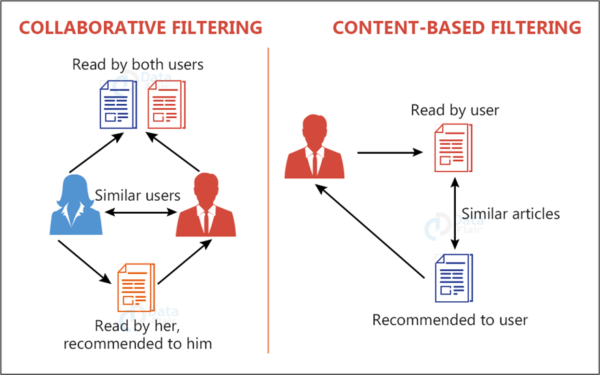
At its core, YouTube’s recommendation algorithm is designed to keep viewers engaged for as long as possible. It achieves this by personalizing content suggestions for each user, relying on vast amounts of data. There are two key places where the algorithm plays a crucial role:
- Homepage Recommendations: This is the first thing users see when they open YouTube. The algorithm curates a mix of new and familiar content tailored to the user’s interests.
- Up Next Suggestions: These are the videos queued on the right sidebar (or below on mobile devices) while someone is watching a video. The algorithm selects videos likely to keep the viewer on the platform longer.
The algorithm analyzes three main data points:
- User Engagement: Metrics like watch time, click-through rate (CTR), likes, comments, and shares.
- Video Performance: Viewer retention rates and interaction levels indicate how engaging the video is.
- Viewer History: The user’s past behaviour, including search queries, watch history, and channel subscriptions.
This dynamic system evolves constantly, adapting to changing viewer preferences and content trends.
Strategies to Increase Video Discoverability
Given the complexity of YouTube’s algorithm, here are some strategies to ensure your content gets noticed:
1. Focus on Audience Retention
Viewer retention is one of the most critical metrics YouTube considers. The goal is to keep viewers watching for as long as possible. Create content that hooks your audience within the first 10 seconds and maintains their interest throughout. Use storytelling, engaging visuals, and well-structured pacing to achieve this.
2. Optimize Metadata
Metadata includes your video’s title, description, and tags. These elements help YouTube’s algorithm understand the context of your video and match it with relevant audiences. Use the following tips:
- Craft a compelling, keyword-rich title.
- Write detailed descriptions with natural keyword placement.
- Use relevant and trending tags to improve searchability.
3. Leverage Custom Thumbnails
Thumbnails are the first thing users notice. An eye-catching thumbnail can significantly improve your CTR, a key factor in the algorithm. Make sure your thumbnails are:
- Bright, colorful, and high-quality.
- Consistent with your brand style.
- Designed to create curiosity or showcase the video’s value.
4. Encourage Engagement
Interaction signals, such as likes, comments, shares, and subscriptions, indicate to YouTube that your content is engaging. Encourage viewers to engage by:
- Adding clear calls-to-action (CTAs) like “Like this video,” “Leave a comment,” or “Subscribe for more.”
- Creating polls or posing questions in the video or community tab.
- Replying to comments to build a connection with your audience.
5. Consistency is Key
Regular uploads help maintain audience interest and signal to YouTube that you’re an active creator. Develop a content calendar to post videos consistently. For example, weekly or bi-weekly uploads can build anticipation and establish loyalty among your viewers.
6. Use Playlists Effectively
Playlists not only organize your content but also encourage binge-watching, which boosts overall watch time. Group videos by theme, topic, or series to keep viewers engaged on your channel.
7. Analyze and Adapt
Regularly review YouTube Analytics to understand what’s working and what’s not. Pay attention to metrics like audience retention, CTR, and traffic sources. Use this data to refine your content strategy.
8. Collaborate with Other Creators
Partnering with creators in your niche can expose your content to new audiences. Collaborations often bring in fresh perspectives and shared promotion, increasing discoverability.
How YouTube Shorts and Livestreams Fit In
In recent years, YouTube has expanded its platform to include Shorts (short-form videos) and Livestreams. These formats are prioritized differently by the algorithm but offer unique opportunities for discoverability.
- YouTube Shorts: These bite-sized videos are often displayed prominently on the mobile app’s homepage. Create engaging, high-energy Shorts to tap into this trend.
- Livestreams: Livestreaming can boost watch time and engagement, especially when you interact with viewers in real time. Promote your live sessions across platforms to maximize attendance.
The Role of External Traffic
While optimizing for YouTube’s algorithm is crucial, external traffic can significantly boost your video’s initial momentum. Share your videos on social media platforms, email newsletters, and blogs to attract viewers. The more engagement your video gets in its early stages, the better its chances of being recommended.
Conclusion
Understanding and leveraging YouTube’s recommendation algorithm can drastically improve your video’s visibility. By focusing on audience retention, optimizing metadata, encouraging engagement, and adapting your strategy based on analytics, you can create content that stands out. Remember, consistency and adaptability are key in this ever-changing landscape. With persistence and creativity, your channel can thrive in YouTube’s competitive ecosystem.