
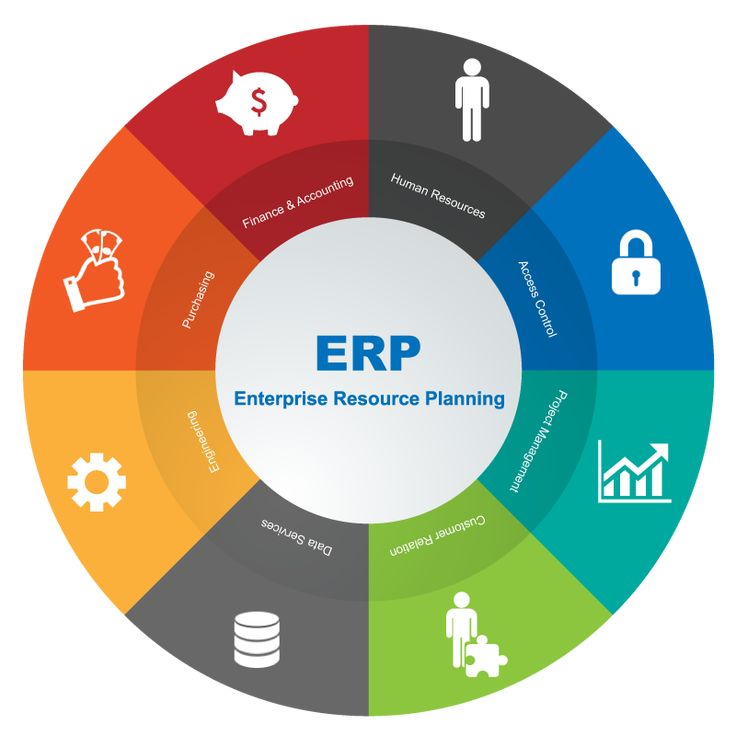
Industries which manufacture goods are increasingly being investigated in the current competitive climate in an effort to increase operational effectiveness, cut expenses, and promptly satisfy customer demands. Similarly, putting in place an ERP for manufacturing is an effective approach to address these sorts of problems. ERP solutions let manufacturers make more informed choices, expedite processes, and access real-time data. The integration of multiple corporate operations into a single system enables this possible.
What is ERP for Manufacturing?
What is ERP for manufacturing? In addition, these systems link critical functions, such as production, procurement, inventory management, and order fulfillment, to streamline workflow.
Software programs created especially to handle the intricacies of industrial operations are referred to as ERP for manufacturing. From production and procurement to inventory control and order fulfillment, these systems link many facets of the manufacturing process. An ERP system helps manufacturers work more effectively, reduce errors, and increase overall production by centralizing data and operations.a
By consolidating data and processes across departments, an ERP system enables manufacturers to work with greater efficiency, reduce errors, and ultimately improve performance across the board. This makes it a vital component in industrial industries, as it streamlines operations and guarantees that each section of the production process functions properly.
Key Features of ERP Manufacturing Systems
It’s important to understand these benefits when you are evaluating ERP manufacturing systems. The traits in question are:
- An ERP system gives manufacturers visibility into inventory in real-time. This causes them to reduce excess or insufficient stock and helps them to keep the optimal level.
- Additionally, ERP systems streamline production scheduling, which allows users to use resources efficiently and deliver timely tasks. This helps minimize lags and boosts overall output.
- Moreover, businesses can understand their supply chain in a much better way with the help of ERP system. They can enforce supplier compliance, track shipments, and accelerate purchasing.
- And last but not least, ERP systems consolidate all financial information so that it assists organizations in closely monitoring budgets, minimizing wastage
Benefits of ERP for Manufacturing
1. Improved Efficiency and Productivity
Increased Efficiency and Productivity is one of the major advantages of ERP implementation in manufacturing. ERP systems save time by automating a variety of manual tasks, such as ordering, inventory management, and reporting. This increases the overall productivity further.
2. Better Decision Making with Real-Time Data
Manufacturing ERP offers real-time data access for businesses, which aids managers in making informed decisions. Having updated and accurate information ensures better decision-making at every level in an organization. As a result, monitoring production progress, analyzing sales trends, and evaluating financial performance becomes an easy task..
3. Enhanced Collaboration Across Departments
With data centralization, finance, procurement, sales, production, and other departments have the same information at any time. This ensures there are no silos and a well-connected workflow is followed.
4. Reduced Operational Costs
Manufacturing systems where the user has a claim have an ERP for its businesses that identify efficiencies and optimize the use of resources. One way to significantly lower operational costs for manufacturers is to simplify their sourcing, production scheduling, and inventory management processes. This allows businesses to hone into their specialties while cutting out excess spending.
5. Scalability for Growing Businesses
The operations become increasingly complex and complicated for the manufacturing firms over the years as they expand. The best manufacturing ERP systems will be built to scale with the needs of the business. An ERP system can be tailored to your changing requirements, whether you are increasing your manufacturing capacity, entering new markets, or diversifying your product offering.
6. Improved Customer Service
Manufacturers can use an ERP system to facilitate order processing and on-time delivery, thereby improving customer service. Businesses can better meet consumer demands and improve customer satisfaction and loyalty by using the real-time tracking of production schedules and stock visibility.
Choosing the Right ERP for Manufacturing
When deciding on an ERP for production it is vital to don’t forget numerous factors to make sure the machine suits your companys wishes:
- Make sure that the ERP system has features carved within the industrial sector. These include tools that monitor raw materials, monitor production lines and maintain quality control specifications.
- Since your manufacturing processes are unique, investing in an ERP system which can be tailored to cater to your specific company needs is vital. So, seek a solution for system integration and flexible reporting and automation of workflows.
- To shorten your staff learning curve and drive adoption, you need an intuitive user interface. Hence, an ERP software must be user-friendly and intuitive, as complex systems could interrupt productivity.
- Your ERP system should integrate with your accounting software, supply chain management software, CRM and any other tools and software that your business uses. This minimizes error risk and maintains smooth data flow between the systems.
- ERP systems also require constant support and training to keep up and running seamlessly. Find a vendor that offers a complete type of training and also has an honest customer support team place to handle any issues that may arise after installation.
ERP Manufacturing Implementation Challenges
- The initial setup for an ERP system could be pricey. But in investment terms, the initial outlay is dwarfed by the long-term gains and savings.
- The process of migrating data from legacy ERP systems to new ones can be complex and extensive. A well-planned data migration is essential if operations are to be disrupted as little as possible.
- If workers are used to the current technique, then they could be resistant to a new technique. Good communication and training are necessary to be effective.
- Additional resources and some effort are sometimes required to customize an ERP system to suit specific business requirements. Working with the ERP vendor helps guarantee that the ERP system meets your needs.
The Future of ERP for Manufacturing
ERP systems are evolving along with technology. Modern technologies like artificial intelligence machine learning and the Internet of Things (IoT) will likely continue to be integrated into manufacturing ERP. In an increasingly digital economy manufacturers can stay competitive by expanding automation in data analysis and decision-making. Additionally, cloud-based ERP systems increasing popularity can be ascribed to their lower initial costs and flexibility in terms of scalability. Thanks to these technologies companies can access their ERP system from a distance promoting user-friendliness and collaboration.
ERP and Sustainability in Manufacturing
Sustainability has end up a fantastic consciousness for manufacturers seeking to reduce their environmental footprint and meet regulatory requirements. Manufacturing ERP structures plays a vital position in sustainability efforts. Providing actual-time visibility into electricity intake, waste generation and raw consumption, ERP systems allow manufacturers to screen and reduce their environmental footprint. This information be used to perceive inefficiencies and implement strength conservation strategies.
Additionally, ERP structures help ensure compliance with environmental policies through automated reporting structures and particular report-keeping. Sustainable production will increase earnings and improves a company’s recognition even with the aid of attracting eco-friendly clients.
ERP structures additionally help manufacturers in optimizing deliver chain operations by using minimizing transportation-associated emissions and promoting efficient inventory control. Through advanced analytics and predictive modeling, ERP answers can assist identify regions in which sustainable practices may be included, together with the use of renewable electricity assets or recyclable substances. These initiatives now not best enhance sustainability however additionally foster innovation, resilience, and long-term business success.
Cloud-Based ERP: A Game-Changer for Manufacturing
Cloud-based ERP systems are reworking the producing enterprise by means of presenting unheard of flexibility, scalability, and accessibility. Unlike traditional on-premises solutions, cloud-based ERP permits producers to get the right of entry to their structures from everywhere, allowing far-flung work and real-time collaboration across teams. This characteristic is in particularly beneficial for producers with more than one place or worldwide operations.
Moreover, cloud ERP reduces the need for steeply-priced hardware and IT infrastructure, lowering premature charges and ongoing maintenance expenses. Security is another gain, as main cloud companies offer superior records protection and everyday updates. As manufacturers amplify, cloud ERP structures ensure they can quickly adapt to evolving business demands even as closing cost-green.
The Role of ERP in Industry 4.0
As Industry 4.0 reshapes manufacturing, ERP structures are at the middle of this technological revolution. By integrating with superior technology inclusive of IoT, robotics, and machine studying, ERP structures permit manufacturers to create clever factories. IoT sensors can feed actual-time statistics into the ERP device, providing treasured insights into system performance, predictive preservation, and production efficiency.
Machine-gaining knowledge of algorithms can examine these facts to discover patterns, predict future traits, and optimize selection-making. ERP systems additionally enhance connectivity between equipment, personnel, and supply chains, creating seamless and responsive manufacturing surroundings. Embracing ERP within Industry four.0 ensures manufacturers stay modern, aggressive, and destiny-ready.
Wrapping Up
You now need to integrate an ERP for manufacturing system into your businesss operations if you want to stay competitive. Streamlining procedures reducing expenses and improving decision-making are all ways that an ERP system can help you expand your business and meet the shifting needs of the market. Choosing a system that meets your particular requirements and difficulties is crucial regardless of whether your searching for the best ERP for manufacturing or a Manufacturing ERP solution. Purchasing the best ERP system for your business can boost profitability productivity and customer satisfaction. If the right resources are available your manufacturing business can be well-positioned for long-term success.