
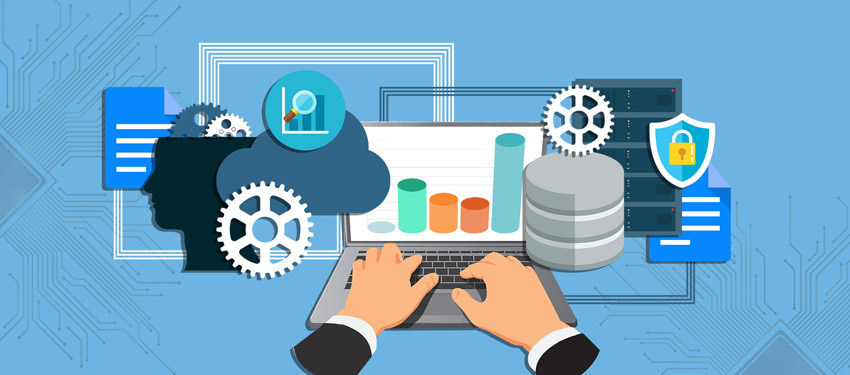
Data, today, has emerged as the bedrock upon which strategic decisions are made and organizational success is built. In a world inundated with information, the ability to process data efficiently is not merely an advantage; it is an imperative. Consider a scenario where a multinational corporation, operating in diverse markets, needs to analyze customer preferences to optimize its product offerings. This company relies on extensive datasets encompassing consumer behavior, market trends, and competitor activities. Without effective business data processing, this wealth of information would be rendered meaningless, akin to a library of unsorted books.
In essence, data processing is the linchpin that transforms raw data into actionable insights. Stakeholders use these bits of information to make data-based decisions, devise effective strategies that propel business growth, as well as enhance operational efficiency.
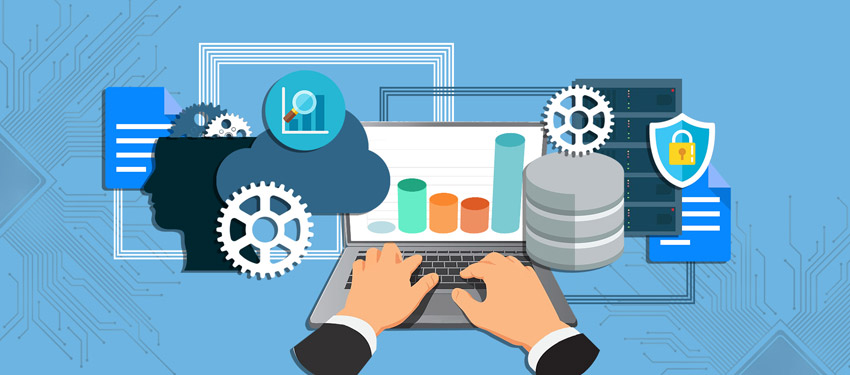
Significance of Data Processing in Business Operations
Enterprises across sectors are grappling with an unprecedented influx of data, ranging from customer information to market trends and internal performance metrics. The ability to harness this data effectively is a decisive factor in gaining a competitive edge. A prime example of this is evident in the retail sector, where businesses leverage data processing services to analyze purchasing patterns, optimize inventory levels, and personalize marketing strategies.
Offline Data Processing vs. Online Data Processing
Data processing can be broadly classified into two categories: offline and online data processing. Each serves distinct purposes, catering to the diverse needs of businesses.
Offline data processing involves the batch processing of data, where information is collected, stored, and then processed in large quantities at scheduled intervals. This method is particularly suitable for scenarios where real-time processing is not a critical requirement. For instance, financial institutions often employ offline processing methods for end-of-day reconciliation, allowing for meticulous examination and verification of transactions.
On the other hand, online data processing is characterized by real-time or near-real-time data processing. This approach is crucial in situations where instantaneous decision-making is paramount, such as in e-commerce platforms processing customer transactions or in industrial settings monitoring production processes. Online data processing ensures that businesses can respond swiftly to changing conditions, making it an indispensable tool in the arsenal of dynamic enterprises.

Data Processing Outsourcing as a Strategic Approach
In the pursuit of effective data processing, businesses are confronted with a pivotal decision: whether to handle the process in-house or outsource it to specialized service providers. However, in-house attempts at managing this colossal task might lead to inefficiencies, data inaccuracies, and slowed decision-making processes.
And, as companies grapple with an ever-increasing volume of data paired with the pressure to remain competitive in their respective markets, the demand for efficient data processing has given rise to a strategic choice – outsourcing. Increasingly, organizations are recognizing the manifold advantages of outsourcing such ancillary tasks to professionals. The following elucidates why data processing outsourcing has become the preferred choice for astute enterprises:
- Cost Efficiency
Data processing outsourcing services translate into significant cost savings for businesses. In comparison, maintaining an in-house data processing infrastructure requires substantial investment in technology, personnel, and training. Outsourcing allows enterprises to access cutting-edge technologies and skilled professionals without the burden of hefty upfront costs. This cost-effectiveness is especially advantageous for small and medium-sized enterprises aiming to compete with larger counterparts on a level playing field.
- Expertise and Specialization
Data processing service providers specialize in their field, possessing the expertise and experience needed to navigate the complexities of data analysis and interpretation. By outsourcing, businesses can tap into this pool of specialized knowledge, ensuring that their data is processed with precision and in accordance with industry best practices. This expertise is invaluable in unlocking the full potential of data, enabling organizations to derive actionable insights and make informed decisions.
- Focus on Core Competencies
Offloading data processing tasks to experts liberate businesses from the operational intricacies of managing an in-house processing team. This, in turn, allows organizations to redirect their focus and resources toward core competencies, fostering innovation and strategic growth. By entrusting data processing to external specialists, businesses can streamline their operations and concentrate on what truly sets them apart in the market.
- Scalability and Flexibility
Business environments are dynamic, and data processing needs can fluctuate with market trends and organizational growth. Outsourcing provides a scalable solution, allowing enterprises to adjust their processing capacity based on demand. This flexibility is particularly beneficial in industries with seasonal variations or those experiencing rapid expansion. Unlike in-house solutions, outsourcing ensures that businesses are not constrained by fixed infrastructure when their processing requirements evolve.
- Risk Mitigation and Compliance
Data processing is not devoid of risks, particularly in the context of data security and regulatory compliance. Outsourcing to reputable data processing companies mitigates these risks by entrusting sensitive information to professionals well-versed in data protection measures and compliance standards. This not only safeguards the integrity of the data but also shields businesses from the legal ramifications of non-compliance.
- Enhanced Security Measures
Data security is paramount in the digital age, and outsourcing partners are well aware of the stringent measures required to protect sensitive information. Reputable data processing providers employ robust security protocols, encryption techniques, and compliance standards to safeguard client data, mitigating the risk of security breaches.
Conclusion: Making the Rational Choice
In the data-driven landscape of contemporary business, the significance of effective data processing cannot be overstated. It is the engine that propels informed decision-making and operational efficiency. Outsourcing data processing is not merely a trend; it is a strategic imperative for businesses seeking to harness the full potential of their data.
As technology continues to evolve, businesses must adapt and leverage specialized expertise to stay competitive. The cost efficiency, expertise, focus on core competencies, scalability, and risk mitigation offered by a reputable business data processing company makes it a compelling choice for organizations aiming to stay ahead in a rapidly evolving business landscape.
To sum it all up, as the digital era continues to unfold, embracing data processing outsourcing is not just a choice; it is a strategic move toward business excellence. In the dynamic world of business, where data is the currency of progress, the rational choice is clear – embrace the efficiency, scalability, and expertise that data processing outsourcing brings to the table.