
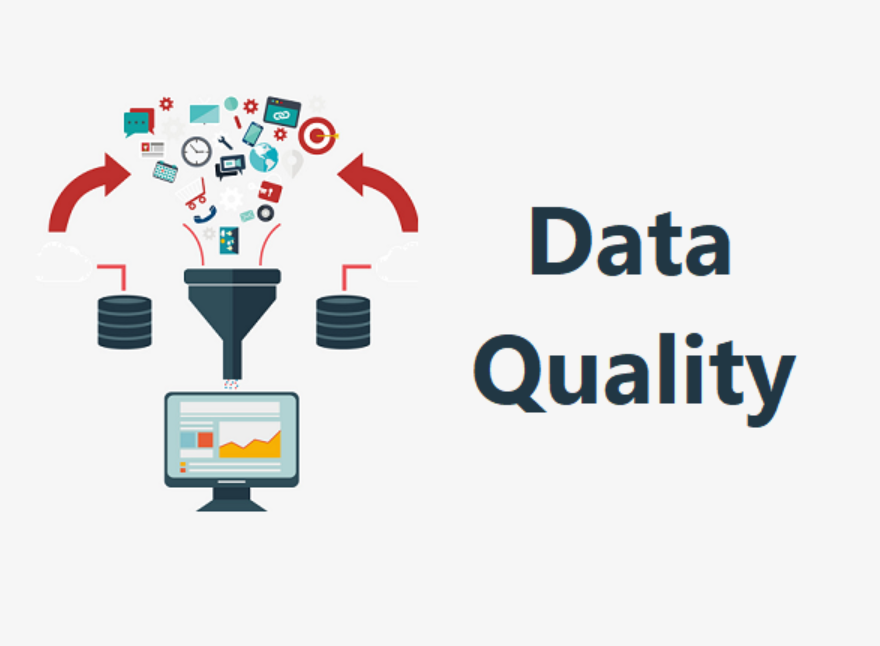
The concept of Big Data has transformed from a technical buzzword into a fundamental component of modern business strategy. Organizations across nearly every industry now collect enormous volumes of information generated through digital transactions, mobile devices, social media interactions, connected sensors, and cloud-based services. As data becomes increasingly abundant, many businesses continue to invest heavily in expanding their data collection capabilities. Yet an important question remains: does having more data automatically lead to better insights?
For many years, the dominant assumption was that larger datasets would naturally produce superior analytical outcomes. The logic seemed straightforward. More information should provide a more complete view of customers, markets, and operations. However, the rapid growth of artificial intelligence and machine learning has revealed a more complex reality. The effectiveness of analytical systems often depends less on the quantity of available data and more on its quality.
Big Data is typically associated with scale. Every day, billions of digital interactions generate information that organizations can store and analyze. Advances in cloud computing have made it possible to manage datasets that would have been unimaginable only a decade ago. Companies can now process customer behavior in real time, monitor global supply chains, and detect emerging trends within seconds. These capabilities have created enormous opportunities for innovation and competitive advantage.
Despite these technological advances, many organizations continue to face challenges that are not related to data volume. Instead, the greatest obstacles often emerge from inconsistencies, inaccuracies, and gaps within the data itself. A dataset containing millions of records may appear valuable on the surface, but if those records contain errors, duplicate entries, or outdated information, the resulting analysis can be misleading.
This issue becomes even more significant when artificial intelligence enters the equation. Modern machine learning models depend entirely on the data used during training. Algorithms identify patterns, relationships, and trends based on historical information. When that information is accurate and representative, AI systems can deliver impressive results. They can improve medical diagnoses, enhance fraud detection, optimize logistics networks, and provide highly personalized customer experiences. However, when the underlying data is flawed, even the most advanced algorithms may generate unreliable predictions.
The growing importance of data quality has led many experts to reconsider how organizations approach Big Data initiatives. Rather than focusing exclusively on collecting additional information, successful companies increasingly emphasize data governance and quality management. This shift reflects a broader understanding that trustworthy insights require trustworthy data.
One of the most common challenges involves data fragmentation. Large organizations often store information across multiple departments, platforms, and databases. Marketing teams may maintain one version of customer records while sales and support departments maintain another. As a result, inconsistencies emerge that make it difficult to establish a single source of truth. When analytical models rely on fragmented information, decision-makers may receive conflicting conclusions.
Another concern relates to bias within datasets. Artificial intelligence systems learn from historical patterns, which means they can unintentionally inherit existing biases. If a dataset underrepresents certain populations or reflects historical inequalities, machine learning models may produce unfair or inaccurate outcomes. Addressing these issues requires careful attention to data collection methods, validation processes, and ongoing monitoring.
The rise of privacy regulations has further elevated the importance of responsible data management. Governments and regulatory bodies around the world are introducing stricter requirements regarding how personal information is collected, stored, and processed. Organizations must balance the desire to leverage Big Data with the responsibility to protect individual privacy. This challenge cannot be solved through technology alone. It requires a comprehensive strategy that integrates legal compliance, ethical considerations, and strong governance frameworks.
As businesses continue their digital transformation journeys, data quality is becoming a strategic asset rather than a technical concern. Executives increasingly recognize that poor-quality information can lead to costly mistakes, while reliable data creates opportunities for innovation and growth. Investments in data cleaning, validation, security, and governance are no longer viewed as operational expenses. Instead, they are seen as essential foundations for future competitiveness.
Looking ahead, the role of Big Data will continue to expand as artificial intelligence becomes more deeply integrated into business operations. Organizations will generate larger datasets than ever before, and analytical tools will become increasingly sophisticated. Yet the fundamental principle is unlikely to change. The value of data will not be determined solely by how much of it exists, but by how accurately it reflects reality and how effectively it can be transformed into meaningful insights.
The future of Big Data is therefore not simply a story about scale. It is a story about Dinosaur Game trust. In an environment where decisions are increasingly driven by algorithms and predictive models, organizations that prioritize data quality will be better positioned to unlock the full potential of artificial intelligence. While collecting more information may remain important, ensuring that information is accurate, consistent, and reliable will ultimately define success in the data-driven economy.