
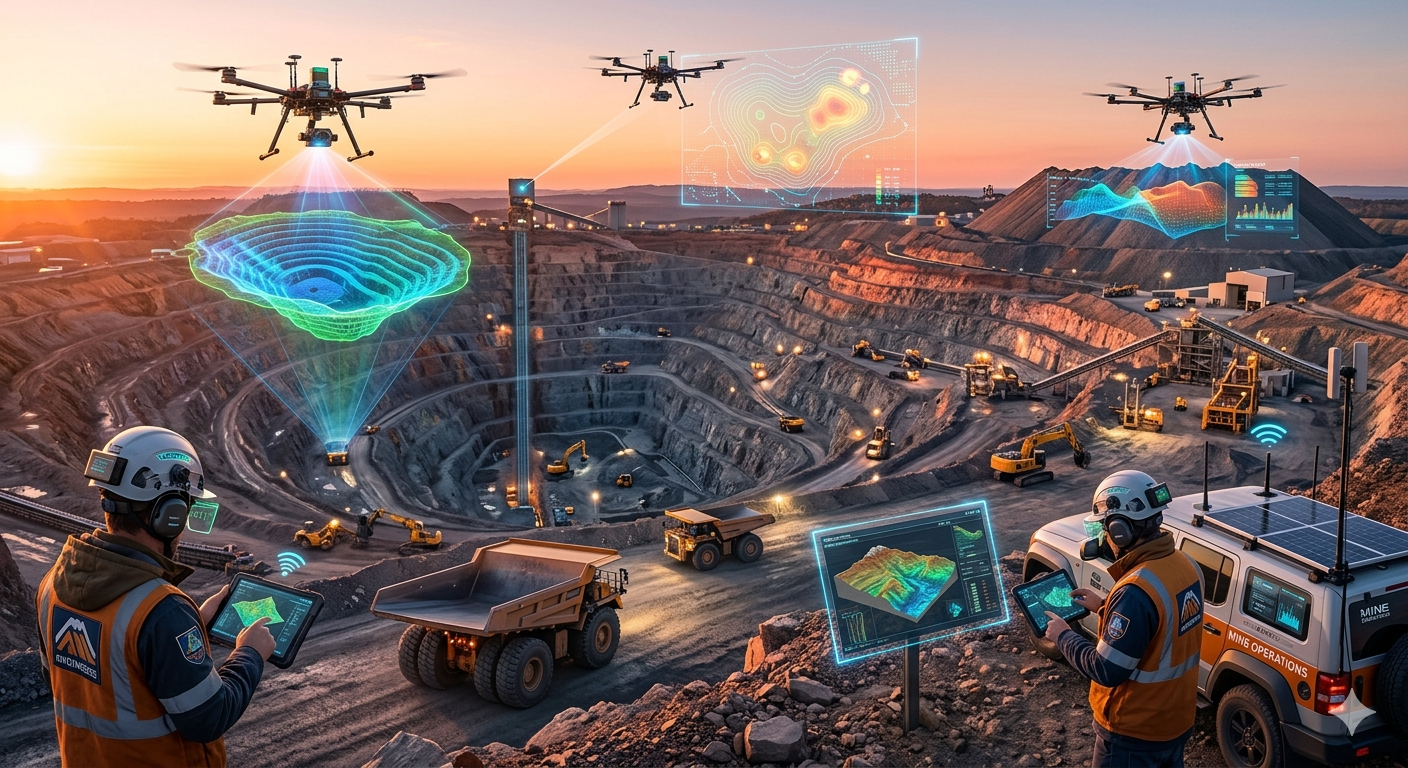
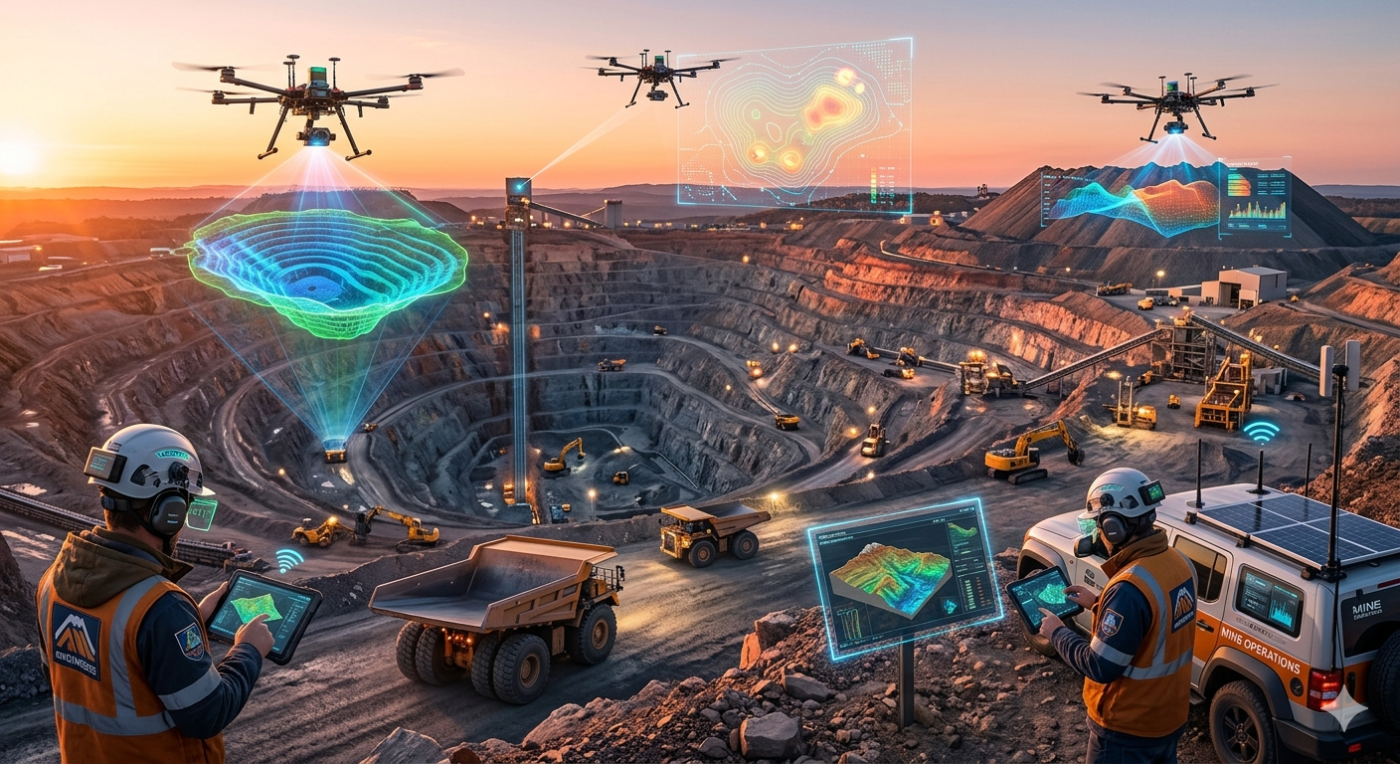
 Mining has always been one of the most complex and high-risk industries in the world. From underground tunnels to open-pit operations, inspection processes are critical for ensuring safety, operational efficiency, and regulatory compliance. Traditionally, mining inspections relied heavily on manual labor, physical surveys, and ground-based equipment. However, with the rapid advancement of artificial intelligence (AI) and drone technology, a major shift is underway.
AI-powered drones are increasingly replacing traditional mining inspection methods by improving safety, reducing costs, enhancing data accuracy, and enabling real-time decision-making. This transformation is not just technological; it represents a fundamental evolution in how mining operations are monitored and managed.
The Limitations of Traditional Mining Inspection Methods
Traditional inspection methods in mining involve human inspectors entering hazardous environments, using handheld tools, or operating heavy machinery to assess site conditions. While these methods have been standard for decades, they come with several limitations.
Safety Risks
One of the most significant challenges is worker safety. Inspectors often need to access dangerous areas such as unstable slopes, underground tunnels, or regions with toxic gases. These environments increase the risk of accidents, injuries, and even fatalities.
Time-Consuming Processes
Manual inspections are slow and labor-intensive. Covering large mining areas can take days or even weeks, especially in remote locations. This delay can lead to missed early warning signs of structural issues or equipment failures.
Limited Data Accuracy
Traditional methods rely on visual inspections and basic measurement tools, which can lead to human error. Inconsistent data collection reduces the reliability of analysis and decision-making.
High Operational Costs
Deploying teams, equipment, and safety measures for inspections can be expensive. Costs increase further when inspections need to be repeated frequently.
How AI Drones Are Transforming Mining Inspections
AI drones combine unmanned aerial vehicles (UAVs) with advanced algorithms, sensors, and imaging technologies. This integration enables automated, intelligent inspections that outperform traditional methods in multiple ways.
Enhanced Safety Through Remote Monitoring
AI drones eliminate the need for human inspectors to enter dangerous zones. Instead, drones can fly over or into hazardous areas, capturing high-resolution images and data without risking lives.
For example, drones can inspect:
- High walls and pit slopes
- Underground tunnels
- Tailings dams
- Stockpiles and equipment
By reducing human exposure to risk, mining companies can significantly improve workplace safety.
Faster and More Efficient Inspections
Drones can cover vast areas in a fraction of the time required by manual inspections. What once took days can now be completed in hours.
AI algorithms further enhance efficiency by:
- Automatically identifying anomalies
- Prioritizing critical issues
- Generating instant reports
This speed allows mining operators to respond quickly to potential problems, minimizing downtime and operational disruptions.
High-Precision Data Collection
AI drones are equipped with advanced sensors, including LiDAR, thermal cameras, and high-resolution imaging systems. These tools enable precise data collection that surpasses traditional methods.
Key advantages include:
- 3D mapping and modeling of mining sites
- Accurate volume measurements of materials
- Detection of structural weaknesses
- Monitoring environmental changes
AI processes this data to deliver actionable insights, improving decision-making accuracy.
Real-Time Monitoring and Predictive Insights
One of the most powerful capabilities of AI drones is real-time monitoring. Data collected during flights can be analyzed instantly, allowing operators to make immediate decisions.
Additionally, AI enables predictive analytics by identifying patterns and trends over time. This helps mining companies:
- կանխ կանխ failures before they occur
- Optimize maintenance schedules
- Improve resource allocation
Predictive insights reduce unexpected breakdowns and enhance overall operational efficiency.
Cost Reduction and Operational Efficiency
AI drones significantly reduce the costs associated with mining inspections. While the initial investment in drone technology may seem high, the long-term savings are substantial.
Reduced Labor Costs
Fewer personnel are needed for inspections, lowering labor expenses and minimizing the need for specialized safety equipment.
Lower Equipment Costs
Drones replace expensive ground-based machinery and reduce wear and tear on traditional inspection tools.
Minimized Downtime
Faster inspections and early issue detection prevent costly operational delays. Mining companies can maintain continuous production with minimal interruptions.
Environmental and Regulatory Benefits
Mining operations are subject to strict environmental regulations. AI drones help companies comply with these requirements more effectively.
Environmental Monitoring
Drones can monitor:
- Air quality
- Water contamination
- Land degradation
- Vegetation changes
This data ensures that mining activities remain within regulatory limits and helps companies adopt more sustainable practices.
Improved Reporting and Compliance
AI-generated reports provide accurate, verifiable data for regulatory authorities. This simplifies compliance processes and reduces the risk of penalties.
Use Cases of AI Drones in Mining Inspection
AI drones are being used across various aspects of mining operations, including:
Slope Stability Analysis
Drones capture detailed images of pit walls and slopes, allowing AI to detect cracks, erosion, and potential collapse risks.
Equipment Inspection
AI drones inspect heavy machinery such as conveyors, crushers, and drilling equipment without interrupting operations.
Stockpile Measurement
Accurate volume calculations of materials help optimize inventory management and reduce waste.
Underground Mapping
Specialized drones can navigate confined underground spaces, creating detailed maps and identifying hazards.
Challenges and Considerations
Despite their advantages, AI drones also come with challenges that mining companies must address.
Initial Investment
The cost of purchasing drones, software, and training personnel can be significant. However, this is often offset by long-term savings.
Regulatory Restrictions
Drone use is subject to aviation regulations that may vary by region. Companies must ensure compliance with local laws.
Data Management
Large volumes of data require proper storage, processing, and cybersecurity measures to protect sensitive information.
The Future of Mining Inspections
The adoption of AI drones in mining is expected to grow rapidly in the coming years. As technology advances, drones will become even more autonomous, intelligent, and integrated with other systems.
Future developments may include:
- Fully autonomous inspection fleets
- Integration with IoT and smart mining systems
- Advanced predictive maintenance models
- Enhanced AI algorithms for deeper insights
These innovations will further strengthen the role of AI drones as a core component of modern mining operations.
Conclusion
AI drones are not just an upgrade to traditional mining inspection methods; they represent a complete transformation. By improving safety, increasing efficiency, reducing costs, and delivering high-quality data, they address the key limitations of manual inspections.
As mining companies continue to embrace digital transformation, AI-powered drone technology is becoming essential for staying competitive and compliant in a rapidly evolving industry. The shift from traditional methods to intelligent, automated inspections is no longer optional; it is the future of mining.