


Healthcare has always been about listening.
But for years, most of that “listening” happened through forms, screens, and rushed conversations.
That’s finally starting to shift.
The Shift Toward Truly Listening
Here’s the thing: patient-centered care isn’t new. We’ve been talking about it forever. Every hospital claims it. Every clinic puts it on its website. But actually, delivering patient-centered care day in and day out? That’s where things fall apart.
And honestly, it’s not hard to see why.
Doctors are juggling too much. Staff are constantly under pressure. Patients end up repeating the same information multiple times. Somewhere along the way, patient-centered care turns into more of an idea than a reality.
That’s where voice starts to quietly make a difference, not by replacing people, but by taking some of that pressure off.
Why Voice Feels More Natural Than Screens
Let’s be honest, when you’re not feeling well, the last thing you want is to fill out forms or scroll through an app.
Typing out symptoms or sitting on hold doesn’t exactly feel like patient-centered care.
Voice flips that experience. You just speak. That’s it.
I’ve seen this in smaller practices, experimenting with voice tools, patients tend to explain things more freely. They don’t overthink it. And interestingly, they often feel heard, even if the first interaction isn’t with a human.
That emotional layer matters more than we give it credit for. Because patient-centered care isn’t just about treatment, it’s about how people feel while they’re going through it.
Where Voice AI Actually Helps
What most people miss is that voice isn’t just about making things easier; it keeps things connected.
A system powered by Voice AI for Healthcare can handle the repetitive stuff, booking appointments, sending reminders, following up, and even handling basic queries. That alone frees up a lot of time for staff.
Now, when that’s backed by a broader Voice AI Platform, conversations don’t just disappear after one interaction. They carry forward.
And that’s huge.
Because patient-centered care depends on continuity. If every interaction starts from zero, patients feel it, and not in a good way.
A Simple Example That Says a Lot
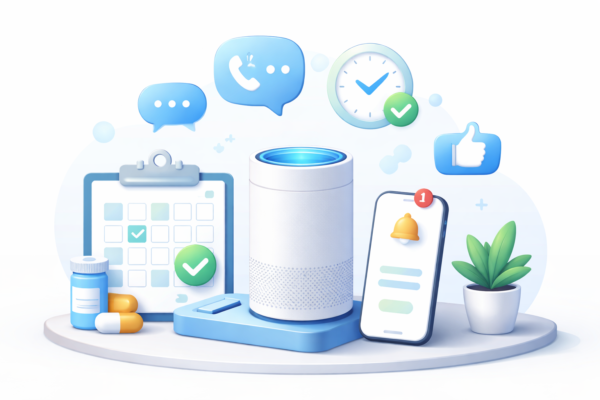
Let me give you a real scenario.
A diagnostic center was dealing with constant missed calls and frustrated patients. The front desk team just couldn’t keep up. Booking or rescheduling an appointment was a hassle.
They added a voice assistant to handle incoming calls.
Pretty quickly:
- Patients could book or reschedule without waiting
- Reminders became consistent instead of manual
- Staff finally had breathing room
But here’s what stood out to me: patient feedback improved in small, meaningful ways.
People said things like, “This was easier than before” or “I didn’t have to keep calling.”
Nothing dramatic. But that’s the point.
That’s patient-centered care, not big promises, just smoother experiences.
The Part No One Talks About Enough
One thing I feel strongly about good tech should make things simpler, not more complicated.
Voice does that well.
No passwords to remember. No navigating confusing menus. No typing long messages. You just talk.
It makes a big difference, especially for older patients or anyone who isn’t super comfortable with digital tools.
And when it becomes easier to communicate, patient-centered care naturally improves.
Because people are more likely to:
- Share what’s actually going on
- Stick to treatment plans
- Stay in touch with their providers
It all starts with lowering that initial effort.
It’s Not Perfect, And That’s Fine
Of course, voice AI isn’t flawless.
There are still gaps in understanding different accents, handling complex situations, and building trust with users. And some patients will always prefer speaking directly to a human.
Which, honestly, they should.
Patient-centered care isn’t about forcing technology into every interaction. It’s about giving patients options that work for them.
In my experience, the best setups don’t try to replace people. They just handle the repetitive stuff so healthcare professionals can focus on what actually needs a human touch.
That’s where patient-centered care really comes to life.
One Practical Tip Before You Jump In
If you’re thinking about adding voice to your workflow, don’t go all in at once.
Start small.
Pick one area that’s clearly broken: appointment booking, follow-ups, missed calls, and fix that first. See how it impacts both patients and staff.
You’ll figure out what works pretty quickly.
And more importantly, you’ll take a real step toward better patient-centered care without overwhelming your team.
The Future Sounds… More Human
We spent years making healthcare digital.
Now, we’re making it conversational again.
And that matters more than it sounds.
Because at the heart of patient-centered care is something simple: feeling heard. Not processed. Not rushed. Heard.
Will voice solve everything? Probably not.
But it’s definitely helping healthcare listen better.
And that’s a solid place to begin.
FAQ
1. What is patient-centered care?
At its core, patient-centered care means treating patients like actual people, not just files or cases. You listen to what they’re saying, respect their choices, and involve them in decisions. Sounds simple, right? But in reality, it’s about slowing down and really paying attention to the person, not just the problem.
2. What’s a common misconception about When Healthcare Starts Listening: The Role of Voice in Patient-Centered Care?
A lot of people think voice tech takes away the human touch. Honestly, I’ve seen the opposite. When the routine stuff runs smoothly, doctors actually get more time to connect with patients. That’s what strengthens patient-centered care, not replacing people, just giving them room to do their job better.
3. How can healthcare teams actually start using voice for patient-centered care?
Don’t overthink it, just start small. Pick one clearly frustrating thing, like appointment booking or missed calls, and fix that first with voice. In my experience, once teams see patients responding well, they get way more comfortable expanding from there. That’s how patient-centered care improves step by step.
4. Does adding voice AI take a lot of time or money to implement?
I get this question a lot. It really depends, but it’s usually not as complicated as people expect. You don’t have to change everything at once. Start with one use case and build from there. And if it saves your team hours every week, that effort starts to feel pretty justified.
5. Is investing in voice really worth it for the future of patient-centered care?
Most people don’t think about this, but a lot of healthcare issues come down to poor communication. Fix that, and things start improving across the board. Voice makes communication easier and more natural. And honestly, if it helps make patient-centered care feel more real for patients, it’s worth considering.