

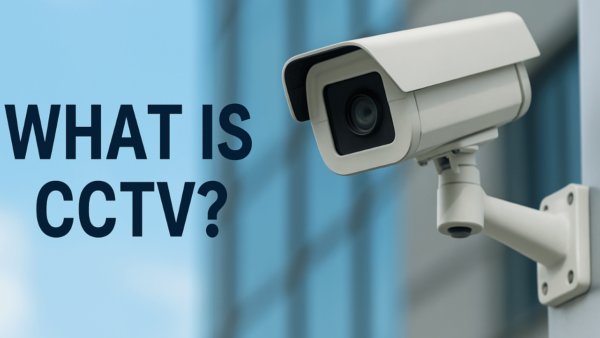
In an age where security has become a top priority for businesses, governments, and homeowners alike, CCTV short for Closed-Circuit Television has emerged as a crucial tool in safeguarding property, people, and information. But for those unfamiliar with the concept, a common question arises: “What is CCTV?”
CCTV refers to a video surveillance system that transmits signals from video cameras to a specific set of monitors, rather than broadcasting them publicly. It is called “closed-circuit” because the feed is only accessible to authorized users, making it a controlled monitoring environment. These systems are used extensively for crime prevention, traffic monitoring, industrial surveillance, and even home security.
A Short History of CCTV
CCTV technology dates back to 1942, when it was first developed in Nazi Germany to monitor rocket launches. The system was later commercialized and became popular in the 1960s in the United States and the United Kingdom. Originally consisting of basic analog cameras, modern CCTV systems now feature high-definition (HD) digital cameras, cloud storage, remote access, and AI-based analytics.
The growth of urban centers and the rise in security concerns have accelerated the adoption of surveillance technologies. Today, millions of CCTV cameras operate in cities around the world, monitoring everything from shopping malls to train stations.
How CCTV Works
A typical CCTV system includes several components that work together:
- Cameras: These are the heart of the system. Types include dome cameras, bullet cameras, IP cameras, and PTZ cameras.
- Recording Devices: Devices like DVRs (Digital Video Recorders) or NVRs (Network Video Recorders) store footage. Many now support cloud backups.
- Monitors: Used to display live or recorded video footage.
- Cables or Wireless Networks: These transmit the video feed from the camera to the monitor or storage device.
- Power Supply: Essential for the system to operate continuously.
Some modern CCTV systems also incorporate motion detectors, infrared night vision, facial recognition, and real-time alerts via mobile apps.
Benefits of Using CCTV
- Crime Deterrence: The presence of CCTV cameras often prevents criminal activity. Criminals are less likely to act when they know they’re being watched.
- Evidence Collection: In case of theft or vandalism, recorded footage serves as reliable evidence for law enforcement and insurance claims.
- Monitoring and Management: CCTV helps business owners track employee productivity, customer behavior, and overall operations.
- Remote Access: Many systems now allow users to monitor their property remotely via smartphones or computers.
- Increased Safety: Homes and public places equipped with CCTV are perceived as safer, offering peace of mind to residents and visitors.
Common Places CCTV Is Installed
CCTV systems are now commonplace and can be found in a wide variety of settings:
- Retail stores: To prevent theft and monitor customer activity.
- Banks and ATMs: For transaction security and fraud detection.
- Office buildings: To manage access control and monitor employees.
- Public transportation: Train stations, buses, and subways rely heavily on CCTV for safety and security.
- Residential homes: Smart home security systems often include integrated CCTV cameras.
Additionally, entire city blocks and government institutions are now part of smart surveillance networks, enhancing law enforcement capabilities and urban management.
Are There Any Drawbacks?
Although CCTV systems offer undeniable advantages, they do come with some concerns:
- Privacy Issues: Constant monitoring can raise ethical and legal questions. Individuals may feel uncomfortable or violated in over-surveilled areas.
- Maintenance Costs: High-quality cameras, storage, and professional installation can be expensive.
- False Sense of Security: CCTV deters but does not eliminate crime entirely.
- Data Security: Internet-connected systems may be vulnerable to cyberattacks if not properly secured.
To ensure ethical usage, many countries have introduced strict surveillance laws, especially concerning the installation of cameras in workplaces and public areas. It’s essential to display warning signs and inform people when they’re being recorded.
The Future of CCTV
The next generation of CCTV is expected to rely heavily on AI and machine learning. These systems can automatically detect suspicious behavior, identify license plates, recognize faces, and even predict threats based on movement patterns. Real-time alerts sent directly to law enforcement could revolutionize crime prevention.
Additionally, cloud-based CCTV offers scalability and cost-efficiency for businesses. With 5G technology, faster and more reliable video streaming will make surveillance systems even more effective and accessible.
Conclusion
So, what is CCTV, really? It’s more than just a collection of cameras. It’s a comprehensive surveillance solution that plays an essential role in modern security. Whether you’re a homeowner looking to protect your family, a business owner safeguarding assets, or a city planner managing public safety, CCTV is an indispensable tool.
If you want to dive deeper into the subject in Turkish, don’t miss this informative article: CCTV Nedir?