

Introduction
Data science, a field encompassing statistics, computer science, and domain-specific knowledge, is at the forefront of the digital transformation. With the exponential growth of data, companies and organizations rely on data science to extract valuable insights, make informed decisions, and optimize processes. This article will explore the core principles of data science, its methodologies, and why it is pivotal in today’s data-driven world.
What is Data Science?
Data science is the interdisciplinary field that combines various techniques to analyze data, draw conclusions, and help in decision-making processes. It integrates data engineering, statistical modeling, machine learning algorithms, and visualization tools to handle vast and complex datasets.
Key Components of Data Science:
- Data Collection
Gathering structured and unstructured data from various sources, such as databases, sensors, logs, and APIs. This step ensures that the dataset reflects the real-world problem the organization wants to solve. - Data Processing and Cleaning
Raw data is often noisy, incomplete, or redundant. Preprocessing involves data cleaning, transformation, and reduction techniques to make it ready for analysis. Data quality is a critical aspect here. Ensuring data accuracy and consistency is crucial for reliable analysis, yet data often originates from various sources, each with different levels of quality. For example, when working with data formats like XML, tools that allow for parsing and flattening structured data in platforms like Snowflake can significantly improve data quality and consistency. Inaccurate, inconsistent, or incomplete data can lead to erroneous conclusions, costing businesses time and money. - Exploratory Data Analysis (EDA)
EDA involves visual and statistical methods to understand the dataset’s underlying structure and distribution. Techniques such as histograms, box plots, and correlation matrices are used to identify patterns and relationships. - Statistical Modeling
Once data is understood, statistical models can be applied. These models help in making predictions or understanding the underlying factors influencing the dataset. - Machine Learning and Predictive Analytics
Machine learning, a subset of artificial intelligence, uses algorithms to build models that can predict outcomes based on historical data. Supervised learning, unsupervised learning, and reinforcement learning are popular approaches within this phase. - Data Visualization and Interpretation
After analyzing the data, it is crucial to visualize the results through graphs, charts, and dashboards. Tools like Matplotlib, Seaborn, and Tableau help stakeholders understand the insights derived from the analysis.
The Importance of Data Science
Driving Business Decisions
Data science provides a competitive edge by enabling businesses to make data-backed decisions. Through customer data analysis, companies can tailor products, improve marketing strategies, and optimize operations, leading to better customer experiences and higher profitability.
Enhancing Process Efficiency
Organizations use data science to streamline operations. By identifying bottlenecks and optimizing resource allocation, businesses can improve efficiency and reduce costs. Predictive maintenance in manufacturing, for instance, reduces machine downtime by predicting when failures might occur.
Innovation and Personalization
Personalization is one of the key areas where data science shines. For instance, streaming platforms like Netflix and Spotify use recommendation systems to suggest content based on user preferences. This personalization enhances customer satisfaction and increases engagement.
Core Techniques in Data Science
Machine Learning Algorithms
Data science relies heavily on machine learning to make sense of large datasets. The three main types of machine learning are:
- Supervised Learning
Algorithms learn from labeled data. Common techniques include linear regression, decision trees, and support vector machines. - Unsupervised Learning
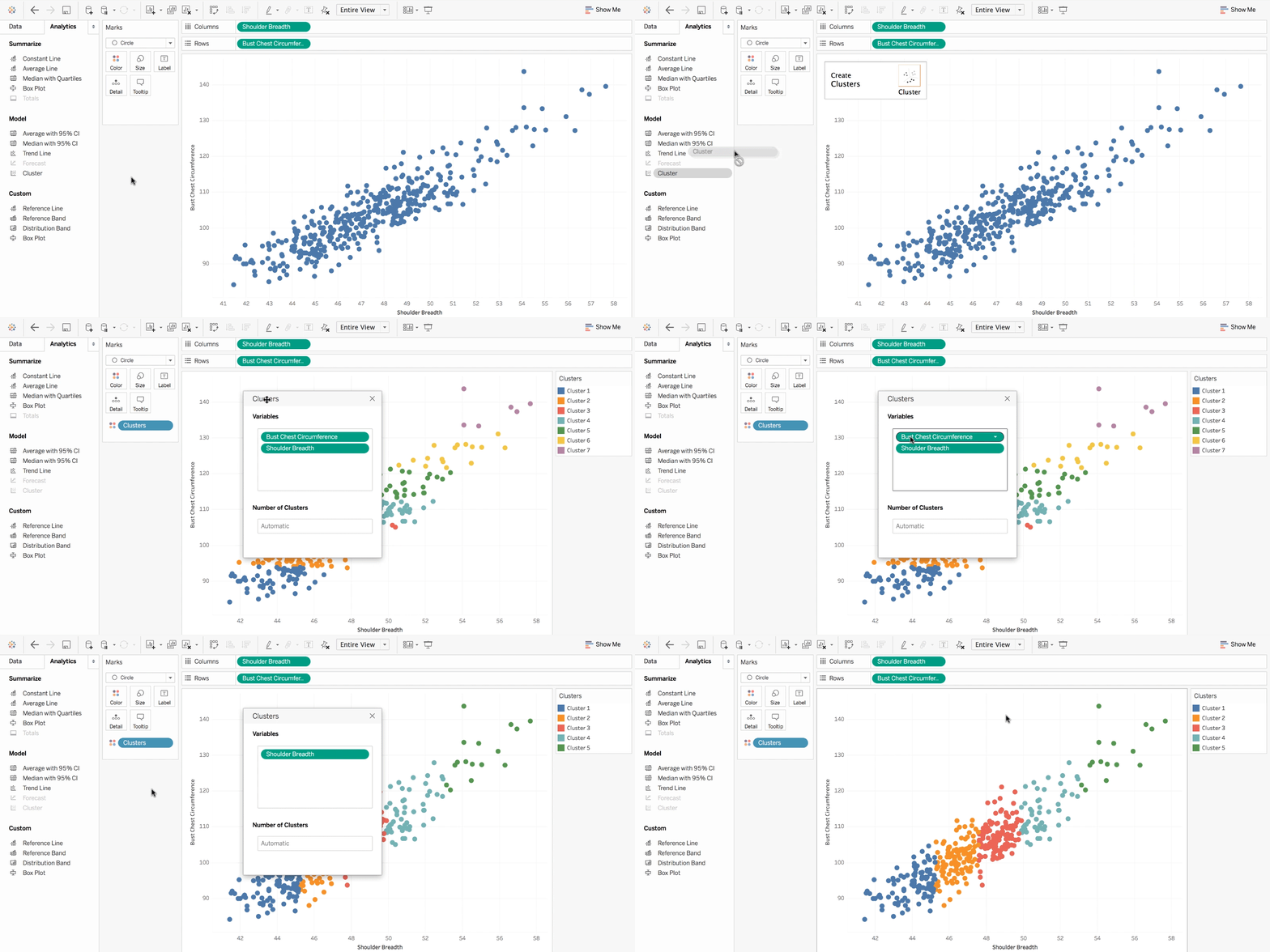
Used when the data is unlabeled, and the goal is to find hidden patterns. Clustering and association algorithms such as K-means and Apriori are typical examples. - Reinforcement Learning
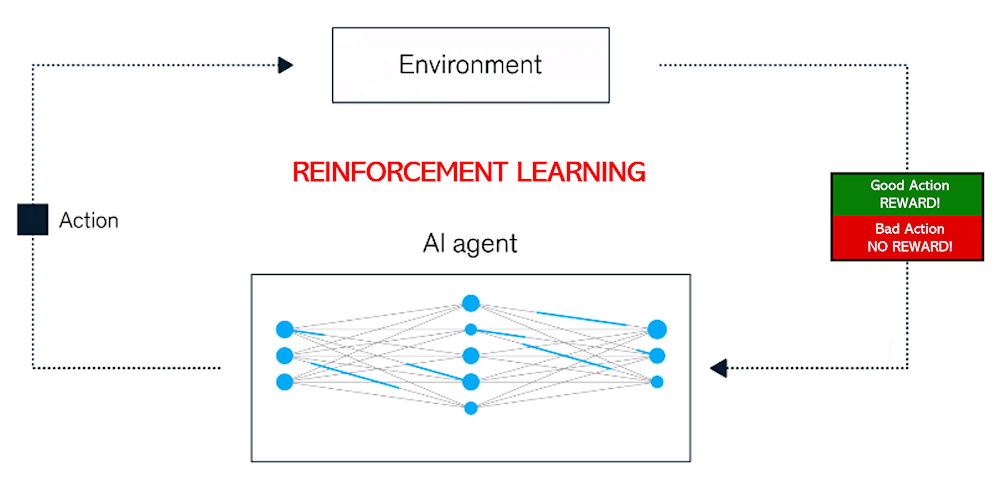
In this paradigm, models learn by interacting with their environment and receiving rewards for optimal decisions. This technique is widely applied in gaming and robotics.
Big Data Analytics
Big data is characterized by high volume, velocity, and variety. Handling such data requires specific tools and frameworks such as:
- Hadoop: A distributed storage and processing framework.
- Spark: A fast in-memory processing engine that accelerates big data analytics.
- NoSQL Databases: MongoDB and Cassandra are popular databases designed to store large amounts of unstructured data.
Data Mining
Data mining is the process of discovering patterns, trends, and relationships in large datasets. Techniques such as classification, clustering, and association rule mining are used to detect hidden insights that drive decision-making
The Role of Data Scientists
A data scientist is a professional who combines knowledge from statistics, computer science, and domain-specific expertise to solve complex problems using data. They are skilled in:
- Programming Languages: Proficiency in Python, R, and SQL is essential for data manipulation, analysis, and modeling.
- Statistics: Understanding of probability, distributions, hypothesis testing, and regression analysis to interpret data accurately.
- Machine Learning: Ability to design, train, and evaluate machine learning models.
- Communication: Presenting data findings clearly to stakeholders using visual tools and reports.
Tools and Technologies in Data Science
Data science is powered by a range of tools and technologies that help data professionals handle, analyze, and interpret data. The most common ones include:
- Python: A versatile programming language with libraries like Pandas, NumPy, and Scikit-learn for data analysis and machine learning.
- R: A statistical programming language popular for data visualization and analysis.
- Jupyter Notebooks: An interactive environment used by data scientists to document code and results.
- SQL: For querying databases and handling structured data.
- Tableau/PowerBI: Visualization tools for creating interactive dashboards and reports.
Applications of Data Science Across Industries
Healthcare
In healthcare, data science is used to analyze patient records, improve diagnoses, and develop personalized treatment plans. Predictive analytics is helping to forecast disease outbreaks, while image recognition technologies assist in medical imaging analysis.
Finance
The financial industry uses data science to detect fraud, automate trading, and provide risk management solutions. Credit scoring models rely on machine learning algorithms to predict loan default probabilities.
Retail and E-commerce
Data science enables retailers to optimize their supply chains, enhance customer experiences, and drive personalized marketing strategies. Inventory optimization and demand forecasting are just a few examples where data science plays a critical role.
Transportation and Logistics
Logistics companies use data science to optimize routes, reduce fuel consumption, and predict delivery times. Ride-hailing services like Uber use data-driven algorithms to balance supply and demand effectively.
Future Trends in Data Science
Artificial Intelligence Integration
The integration of AI with data science is pushing the boundaries of automation and intelligent decision-making. With AI-powered algorithms, businesses can further enhance their predictive capabilities and optimize operations autonomously.
Edge Computing
Edge computing, where data processing happens closer to the source rather than in centralized data centers, is becoming increasingly vital, especially with the rise of IoT devices. This trend is transforming how organizations handle real-time data.
Ethical Data Science
With growing concerns over privacy and data security, ethical data science practices are now in the spotlight. Ensuring that algorithms are fair, transparent, and unbiased is becoming crucial for businesses that handle sensitive data.
Conclusion
Data science has become an indispensable tool for organizations across industries. Its ability to derive insights from complex datasets enables companies to optimize operations, personalize customer experiences, and innovate at scale. As the volume of data continues to grow, the demand for skilled data scientists and advanced data-driven technologies will only increase. Organizations that harness the power of data science effectively will have a significant competitive advantage in the future.