

Container security has become a hot topic these days because more and more organizations are adopting container technologies like Docker and Kubernetes. But like other technologies, containers also come with their own set of security risks and need to be protected from cyber threats. So in this situation, container security can help you and save you from unwanted attacks.
In today’s blog, we’ll discuss the basics of container security and how you can protect your containers from attacks.
What is Container Security?
Container security is the process of securing the containerized environments and the applications running inside them.
Containers
Containers are standalone, lightweight, executable packages that include all the necessary components that are required to run a piece of software. This includes codes, runtime, libraries, and system tools.
The purpose of this container security is to make sure that:
-
Containers remain secure from outside attacks.
-
Applications that are running inside containers remain protected from vulnerabilities.
-
Data and processes within containers are safe from malicious actors.
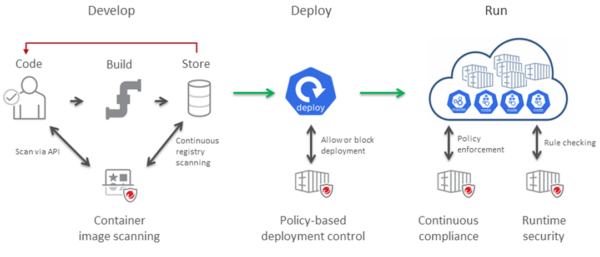
Why is Container Security Important?
Here are a few reasons why container security is so important:
-
Shared Resources: Because containers share the operating system of the host. If one container is compromised then it can also affect others on the same system.
-
Portability: Containers can move between different environments, such as from development to production.
-
Scale: Containers can be deployed in large numbers which makes it harder to track all possible vulnerabilities unless we have good security measures in place.
What are the Key Components of Container Security
When we talk about container security, it’s important to understand the different aspects that need to be protected. This includes:
-
Image Security: Container images are like blueprints for creating containers. If an image has vulnerabilities, those issues will be present in every container made from it. That’s why it’s important to regularly scan container images for vulnerabilities.
-
Runtime Security: Once a container starts running, it’s important to monitor its activity. In this, you can make sure that the container only runs the specific code and tasks for which it is designed. This way you can stop and prevent anyone from unauthorized access and changes.
-
Network Security: Containers need to communicate with each other and the outside world. So this helps to keep communication safe between the different containers and also between those containers and any external systems.
-
Host Security: Because containers use the same operating system as the host machine, so it’s just as important to secure the host as it is to secure the containers. If the host is compromised, it can put all the containers at risk.
Steps to Secure Containers
Follow these steps to get started:
1. Use Trusted Images
Always use container images from trusted sources. Because public repositories might contain images with vulnerabilities, so it’s very important to review the images before you use them.
2. Scan Images for Vulnerabilities
Make sure to check your container images regularly for any known vulnerabilities before you deploy them. In this way, you can identify problems as early as possible.
3. Limit Container Privileges
Try not to run containers with more permissions than they need. Containers should only have the access they need to perform their function, nothing more.
4. Monitor and Audit Containers
If you keep monitoring continuously, it helps you identify suspicious activities in real time. So it’s very important to check container logs and access controls regularly to keep the environment secure
5. Secure the Host Operating System
Because containers depend on the host system, so it’s very important to keep the host secure by regularly updating and patching it.
6. Implement Network Security Policies
Set up firewalls, segmentation, and proper access controls to make sure that communication between containers is secure.
7. Use Web-Based Services
You can also get help from professionals because they know how to do this task efficiently. As per our analysis, we find Rapidfort.com (a web-based service provider) really helpful. Because they have expertise in boosting the security of your cloud containers for years. They can also protect your applications, manage access, and monitor the runtime activity by adding security measures from the beginning. So you can also check out their website for more details.
FAQs
How is container security different from traditional security?
Traditional security just focuses on protecting virtual machines or physical servers. But container security is different because it shares the same operating system as the host. This means we have to pay special attention to secure the container images, monitor their activity while they run, and protect the host system.
What are the most common container security risks?
Common risks include using untrusted images, giving containers too many privileges, and weak network security between containers.
Here are the most common risks:
-
Using untrusted images,
-
Granting containers excessive permissions, and
-
Having weak security between containers.
How can I secure communication between containers?
You can implement network security policies to make your communications secure, such as firewalls, encryption, and segmentation.