
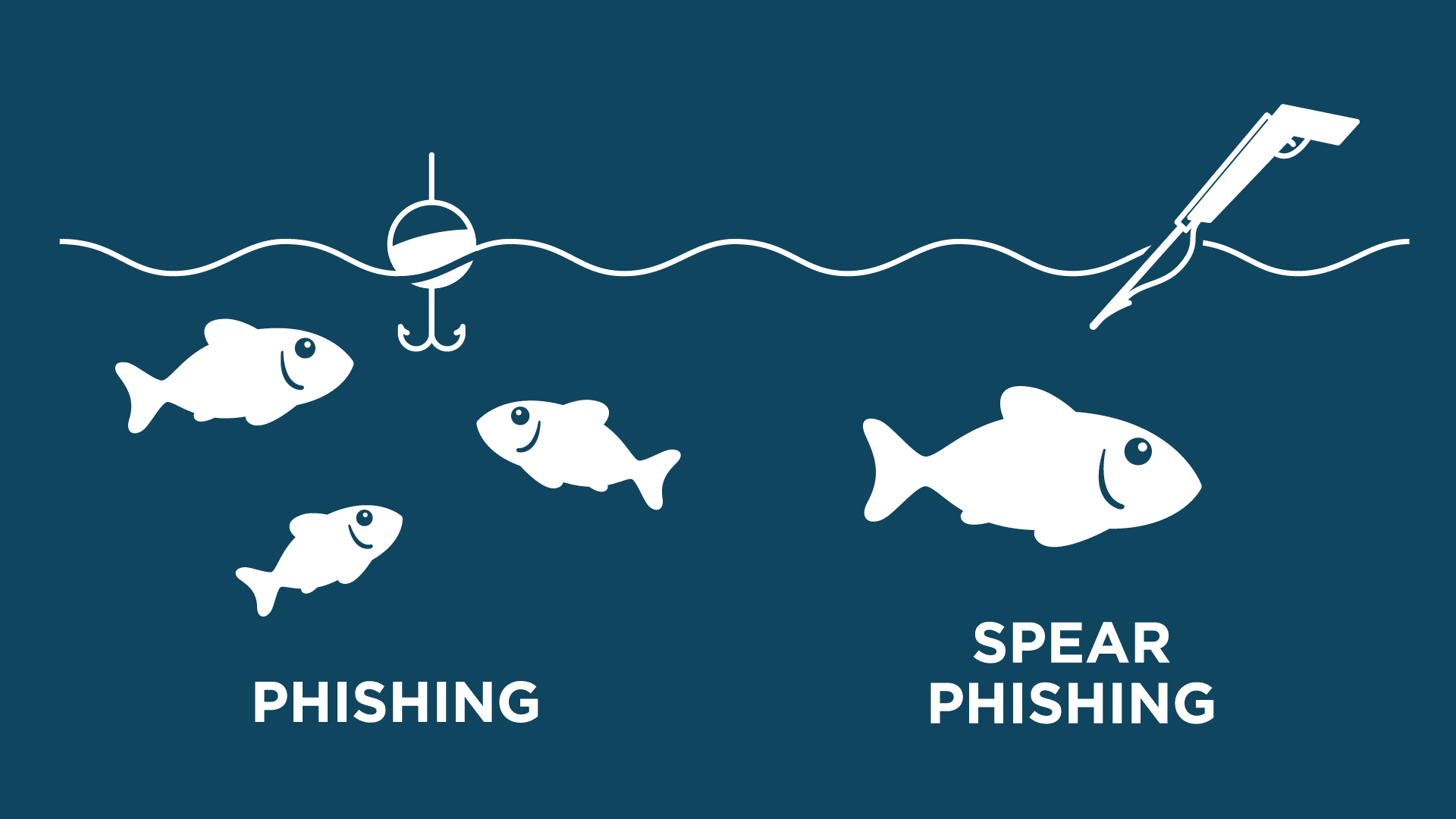
Cyber threats in the modern digital world are more complex than ever. One of the most dangerous and deceptive forms of cyberattacks is spear phishing. Unlike traditional phishing attacks, which cast a wide net, spear phishing specifically targets individuals or organizations with highly personalized messages. In this article, we will discuss what spear phishing is, how it works, and how it differs from regular phishing attacks. We will also discuss ways to protect yourself and your organization from becoming victims of spear phishing.
What is Spear Phishing?
Spear phishing is a targeted attempt to steal sensitive information, such as login credentials, financial details, or personal data, from a specific individual or organization. Unlike regular phishing, which sends generic emails to a broad audience, spear phishing focuses on a select group of individuals. Attackers gather detailed information about their targets—such as their job role, interests, and relationships—to craft a message that feels legitimate and personalized.
The difference with spear phishing is that it is more personal. The attacks are often tailored and might even use the identity or personal information of the target to make the message credible. The attack may come through email, social media, or other electronic means.
How Is a Spear Phishing Attack Conducted?
Spear phishing attacks follow a multi-step process. Here’s how:
Target Researching: The attacker invests time to learn about the victim. This could be details about the job, hobbies, social media, and any other publicly available information. It is in the attempt to create a message that is familiar and relevant to the victim.
Crafting the Message: Once enough information is gathered, the attacker creates a personalized email or message. The message may appear to come from a trusted source, such as a colleague, boss, or company. It may include a request that seems legitimate, such as asking the victim to click on a link or download an attachment.
Execution: The spear phishing email is sent to the target. In case the victim is convinced by the message, they might click on a malicious link or open an attachment, thereby granting the attacker access to sensitive information or installing malware on their device.
Exploitation: Once the victim falls for the spear phishing attack, the attacker can steal login credentials, financial data, or other sensitive information. In some cases, the attacker may use the stolen data to launch further attacks on the victim or their organization.
Spear Phishing vs Phishing
Many people confuse spear phishing vs phishing, but there are important differences between the two.
Phishing: This is a very general and vague form of cyber attack that hits so many people simultaneously. Attackers send mass emails or messages claiming to be from genuine sources like banks or other websites, asking people to click on links or divulge sensitive information. The purpose is to throw a big net and catch as many victims as possible.
Spear phishing: is actually an attack for which the spearphisher is targeting a specific individual or organization. The attacker collects all kinds of personal information about the target to craft a message that is very convincing. These spear phishing attacks are much more dangerous because they are targeted towards the victim and it has more chances to get past undetected.
While phishing attacks are easy to identify because of their generic nature and suspicious content, spear phishing attacks are more sophisticated and difficult to identify. This personalized approach makes them more convincing, and the victims are more likely to fall into the trap.
Common Tactics Used in Spear Phishing Attacks
Spear phishing attacks often use several tactics to increase their chances of success:
Impersonation of Trusted Sources: Probably the most common spear phishing tactic is to impersonate a trusted individual or organization. Threat actors are likely to impersonate a colleague, boss, or even a vendor to win the trust of a victim. An email might request for sensitive information like login credentials or financial details from the victim or prompt the victim to take an action, such as transferring money or opening an attachment.
Urgency creation: In spear phishing, a sense of urgency is usually created to rush the victim into action without giving it much thought. For instance, the attacker might say there is a time-sensitive offer, security breach, or an urgent request that must be attended to within a certain timeframe.
Malicious links or attachments are included in spear phishing emails. This link or attachment might take a user to malicious websites or download malware onto their device. A spear phishing email can contain a link that resembles the company’s website or even a trusted service but is specifically created to steal personal information or install malicious software.
Exploiting Social Media: Attackers can use information from social media profiles to craft more convincing spear phishing attacks. By monitoring a victim’s social media activity, attackers can learn about their interests, job role, and relationships, which can help them create a personalized message that is more likely to be trusted.
Baiting with False Job Offers or Financial Opportunities: In some spear phishing attacks, victims are lured in with promises of false job opportunities, investment opportunities, or financial rewards. Such emails ask the victim to give out personal details or pay a fee before providing the reward, which would later be stolen money or sensitive information.
Protecting Yourself from Spear Phishing
While the spear phishing attack is quite a sophisticated form, there are plenty of things one can do for protection, to oneself and also to one’s organization.
Beware of unsolicited requests, especially if asking for sensitive information or an instant action. To verify authenticity of the request contact the person directly or organization in a trusted means.
Look for Red Flags: Even though spear phishing emails are very convincing, there are still signs that can indicate an attack. Look for unusual email addresses, spelling errors, or strange language that doesn’t match the tone of the supposed sender.
Educate Yourself and Your Team: One of the best defenses against spear phishing is awareness. Regularly educate yourself and your team on the risks of spear phishing and how to spot potential attacks. Conduct training sessions and encourage employees to report suspicious emails or messages.
Use Multi-Factor Authentication (MFA): MFA is a security measure that comes along with requiring more than just a password to access the account. This way, even if the attackers have stolen login credentials by a spear phishing attack, MFA can keep them off sensitive systems and data.
Keep the software of your operating system, antivirus, and other applications updated with the latest security patches. Periodic updates safeguard your device from specific vulnerabilities that an attacker may take advantage of.
Using Anti-Phishing Tools: Many services like email and security software provide anti-phishing tools that can detect and block spear phishing emails. Activate these to have extra protection.
Verify Suspicious Requests: If you receive an email requesting sensitive information, verify that in another communication channel. For example, if you receive an email from your boss asking you to do a wire transfer, call your boss and confirm the request, doing so before anything happens.
Conclusion
Spear phishing is a very serious and growing threat in today’s world. Once you understand what spear phishing is and how it is different from normal phishing, you will be much better protected from these targeted attacks. Always keep your eyes and ears open and learn about spear phishing to raise awareness in yourself and others, as well as take precautionary measures through security like multi-factor authentication to reduce the spear phishing attacks. By being proactive and aware, you can significantly reduce your chances of becoming a victim of this dangerous cyber threat.
By keeping these precautions in mind, you can ensure that you are well-prepared to defend against spear phishing attacks and safeguard your personal and organizational data.