
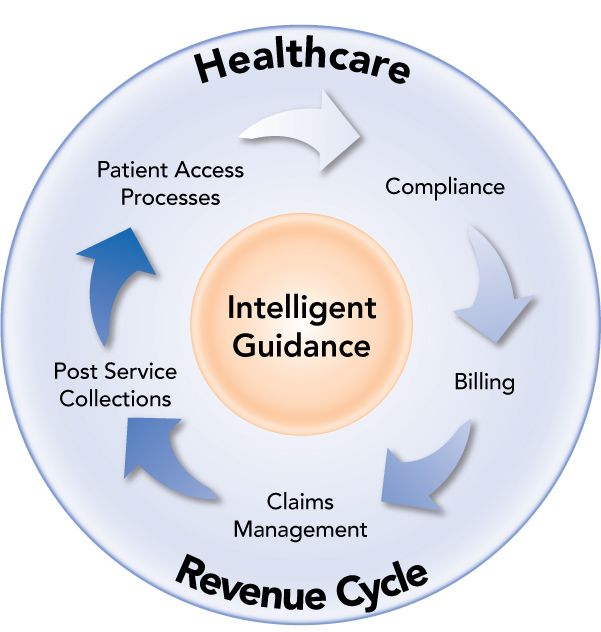
The healthcare industry is experiencing a significant wave of digital change where hospitals, clinics, health insurers, and healthcare systems are looking for a method of efficiently handling their finance processes and offering better services during patients’ billing process. One of the most essential elements of such a digital revolution includes Revenue Cycle Management Software Development.
The growth of the worldwide market for healthcare revenue cycle management solutions will be driven by the increased expenses in the healthcare sector, regulations, insurance processes, and increased patient load. Organizations operating in the healthcare industry are becoming more interested in implementing intelligent software, which includes billing, electronic health records, insurance verifications, analytics, and automation. The modern systems use various innovative technologies such as AI, automation, cloud-based technology, and predictive analytics in order to enhance efficiency and minimize administrative activities. With the growing adoption of digital healthcare, there will be an increased demand for Healthcare Software Development services.
Why Healthcare Organizations Need Revenue Cycle Management Software
Healthcare providers face numerous operational and financial challenges related to billing, insurance processing, compliance, and patient payment management. Advanced RCM software helps address these issues through automation and centralized management.
Improve Billing Accuracy
Manual billing processes often lead to coding errors, claim rejections, and payment delays. Automated RCM systems help reduce inaccuracies and improve claim submission quality.
Faster Claims Processing
Healthcare organizations can accelerate reimbursement cycles by automating insurance verification, claim generation, and submission workflows.
Reduce Administrative Workloads
Automation minimizes repetitive administrative tasks such as payment tracking, eligibility verification, and denial management.
Enhance Financial Visibility
Modern RCM platforms provide analytics dashboards that help administrators monitor revenue performance, payment trends, and outstanding claims.
Improve Patient Payment Experiences
Patients increasingly expect digital payment options, transparent billing, and simplified payment workflows.
Strengthen Regulatory Compliance
Healthcare organizations must comply with complex regulations related to patient data protection, billing standards, and financial reporting.
Support Operational Scalability
As healthcare networks expand, scalable revenue cycle systems help manage growing transaction volumes and patient records efficiently.
Key Features of Modern Healthcare Revenue Cycle Management Software
Successful Revenue Cycle Management Software Development requires advanced functionality that supports healthcare finance operations while improving workflow automation.
Patient Registration and Eligibility Verification
The system verifies patient insurance coverage and collects demographic information before treatment begins.
Benefits include:
- Reduced claim denials
- Accurate billing information
- Faster registration workflows
- Improved patient onboarding
Medical Coding and Billing Automation
Automated coding systems help healthcare providers generate accurate medical claims using standardized coding structures.
Claims Management System
Claims management tools support:
- Automated claim submission
- Claim status tracking
- Denial management
- Resubmission workflows
- Payment reconciliation
Payment Processing and Collection
Modern platforms support:
- Online payments
- Digital invoices
- Payment reminders
- Installment plans
- Mobile payment gateways
Revenue Analytics Dashboard
Analytics modules provide insights related to:
- Revenue performance
- Claim acceptance rates
- Billing efficiency
- Outstanding balances
- Financial forecasting
EHR and EMR Integration
Integration with healthcare records systems improves operational coordination and data accuracy.
Many organizations partner with an EHR Software Development Company to ensure seamless interoperability between clinical and financial systems.
Denial Management Tools
Denial management systems identify rejected claims, analyze root causes, and automate correction workflows.
Compliance and Security Controls
Modern RCM platforms often incorporate HIPAA-Compliant Software Development practices to protect patient information and maintain regulatory compliance.
List of Top 5 Healthcare Revenue Cycle Management Software Development Companies in the Global Market
1. RisingMax
RisingMax is known for delivering digital healthcare solutions, enterprise software systems, and intelligent automation platforms. The company offers specialized Revenue Cycle Management Software Development services that help healthcare providers improve financial operations and billing efficiency.
Their capabilities include:
- Healthcare billing automation
- Claims management systems
- AI-powered analytics
- Patient payment platforms
- EHR integration solutions
- Cloud-based healthcare software
RisingMax focuses on scalable and data-driven software architectures that support hospitals, clinics, and healthcare enterprises managing large transaction volumes. The company integrates automation technologies and predictive analytics into RCM systems to streamline administrative workflows and improve financial visibility.
Their expertise in Healthcare Software Development enables healthcare organizations to modernize revenue management operations while enhancing patient billing experiences.
2. Suffescom Solutions
Suffescom Solutions is an AI mobile app development company specializing in healthcare platforms, mobile applications, and AI-powered healthcare systems. The company provides customized Revenue Cycle Management Software Development services tailored to hospitals, clinics, and healthcare startups.
Their healthcare offerings include:
- Medical billing software
- Claims processing systems
- Healthcare payment gateways
- Revenue analytics dashboards
- Telehealth integrations
- Healthcare workflow automation
Suffescom Solutions emphasizes secure and scalable software development aligned with modern healthcare requirements. Their expertise in Hospital Management Software Development allows organizations to integrate financial systems with broader healthcare operations efficiently.
The company also focuses on HIPAA-Compliant Software Development, helping healthcare providers protect sensitive patient data while maintaining compliance with healthcare regulations and industry standards.
Achievements:
- Recognized as a Top Mobile App Development Company by Clutch with a 4.8/5 rating and 80+ verified client reviews.
- As a top rated company recognized by G2 since 2023 with positive client feedback for blockchain, AI, and app development services.
- Recognized by GoodFirms as the “Best Company to Work With” and featured in the Leaders Matrix for blockchain and app development services
- Recognized by Clutch in December 2025 as top app service provider
3. ScienceSoft
ScienceSoft has extensive experience delivering healthcare IT solutions, enterprise software systems, and healthcare automation platforms. The company develops advanced RCM systems that support billing operations, claims management, and healthcare financial workflows.
Their expertise includes:
- Healthcare revenue cycle systems
- Insurance verification platforms
- Medical coding automation
- Cloud-based healthcare applications
- Healthcare analytics solutions
- Compliance-focused software architecture
ScienceSoft prioritizes interoperability, scalability, and data security throughout the development lifecycle. Their experience as an EHR Software Development Company enables seamless integration between financial systems and clinical record platforms.
4. Thinkitive
Thinkitive specializes in healthcare IT solutions, digital health platforms, and medical software systems. The company provides customized Revenue Cycle Management Software Development services that help healthcare providers automate financial workflows and improve billing efficiency.
Core offerings include:
- RCM software platforms
- Healthcare billing automation
- Claims processing systems
- Patient engagement solutions
- Healthcare analytics dashboards
- Cloud-based healthcare infrastructure
Thinkitive focuses on delivering intelligent healthcare systems capable of reducing administrative workloads and improving revenue cycle visibility. Their solutions often incorporate AI-driven analytics and workflow automation technologies that support more efficient healthcare operations.
5. Chetu
Chetu is a custom software development company with strong experience in healthcare technology, enterprise systems, and healthcare automation solutions. The company develops scalable revenue cycle management platforms tailored to healthcare providers, hospitals, and medical billing organizations.
Their service offerings include:
- Healthcare financial software
- Claims management systems
- EHR integrations
- Revenue analytics platforms
- Medical billing automation
- Healthcare cloud solutions
Chetu emphasizes flexible development methodologies and scalable infrastructure capable of supporting evolving healthcare requirements. Their experience in Hospital Management Software Development enables healthcare providers to centralize administrative, financial, and operational processes within unified platforms.
Technologies Used in Healthcare Revenue Cycle Management Software Development
Modern Revenue Cycle Management Software Development relies on advanced technologies that automate healthcare finance operations and improve system performance.
Artificial Intelligence (AI)
AI supports:
- Automated claims analysis
- Fraud detection
- Revenue forecasting
- Predictive billing insights
- Intelligent denial management
Machine Learning (ML)
Machine learning models improve billing accuracy by analyzing historical claims data and identifying recurring patterns.
Robotic Process Automation (RPA)
RPA automates repetitive administrative tasks such as:
- Insurance verification
- Payment posting
- Data entry
- Claim submission
Cloud Computing
Cloud infrastructure enables:
- Scalable deployment
- Secure data storage
- Remote accessibility
- Disaster recovery support
Big Data Analytics
Analytics platforms process healthcare financial data to improve operational decision-making and revenue forecasting.
Blockchain Technology
Blockchain can improve transaction transparency, security, and auditability in healthcare financial systems.
API and EHR Integrations
APIs enable interoperability between:
- Billing systems
- EHR platforms
- Payment gateways
- Insurance databases
- Patient management systems
Benefits of Implementing Healthcare RCM Software
Healthcare organizations implementing modern RCM systems gain several operational and financial advantages.
Improved Financial Performance
Automated billing and faster reimbursement cycles help healthcare providers improve revenue generation and cash flow management.
Reduced Claim Denials
Advanced validation systems minimize billing errors and improve claim acceptance rates.
Faster Payment Collection
Digital payment tools and automated reminders accelerate patient payment processing.
Better Compliance Management
Compliance-focused systems help organizations maintain regulatory standards and protect sensitive healthcare information.
Increased Administrative Efficiency
Automation reduces manual workloads and allows staff to focus on higher-value healthcare operations.
Enhanced Patient Experiences
Transparent billing systems and convenient payment options improve patient satisfaction and engagement.
Data-Driven Decision Making
Analytics dashboards provide actionable insights that support strategic financial planning and operational optimization.
Scalability for Healthcare Networks
Modern cloud-based RCM systems can efficiently support expanding healthcare organizations and growing patient populations.
Future Trends in Healthcare Revenue Cycle Management Software
The future of healthcare RCM is being shaped by emerging digital technologies and evolving healthcare requirements.
AI-Powered Billing Automation
Artificial intelligence will continue improving coding accuracy, claims management, and revenue forecasting capabilities.
Predictive Revenue Analytics
Predictive models will help healthcare providers anticipate payment trends and optimize financial performance proactively.
Intelligent Denial Prevention
Advanced AI systems will identify potential claim issues before submission, reducing denial rates significantly.
Voice-Enabled Administrative Systems
Voice assistants may support billing inquiries, scheduling, and administrative workflow automation.
Blockchain-Based Claims Processing
Blockchain technology may improve security, transparency, and interoperability across healthcare financial systems.
Personalized Patient Billing Portals
Future platforms will offer more customized payment experiences and financial communication tools.
Integrated Healthcare Ecosystems
RCM systems will increasingly connect with broader healthcare platforms, telemedicine systems, and clinical management applications.
Challenges in Healthcare Revenue Cycle Management Software Development
Despite significant opportunities, healthcare organizations face several challenges when implementing RCM solutions.
Complex Insurance Workflows
Healthcare billing processes involve multiple insurance providers, policies, and reimbursement structures.
Best Practice: Build flexible workflows capable of supporting diverse insurance processing requirements.
Regulatory Compliance Requirements
Healthcare software must comply with data privacy and financial regulations.
Best Practice: Incorporate HIPAA-Compliant Software Development standards from the beginning of the project lifecycle.
Legacy System Integration
Many healthcare organizations operate outdated infrastructure that can complicate integration processes.
Best Practice: Use standardized APIs and interoperability frameworks for smoother system connectivity.
Data Security Risks
Healthcare financial systems handle highly sensitive patient and payment information.
Best Practice: Implement encryption, multi-factor authentication, and continuous security monitoring.
Coding and Billing Accuracy
Incorrect coding can lead to denied claims and revenue losses.
Best Practice: Utilize AI-powered validation systems and automated coding tools to improve accuracy.
Scalability Challenges
Growing healthcare networks require highly scalable software infrastructure.
Best Practice: Leverage cloud-native architecture and modular development approaches.
Conclusion
In recent years, the healthcare sector has adopted technology and digital transformation practices for greater efficiency, ease of financial management processes, and better patient experience. With increased complexity in management issues and financial pressures on the rise, it becomes imperative for the healthcare sector to invest in software development for Revenue Cycle Management. Contemporary RCM software tools automate bill processing, minimize claims rejections, facilitate efficient payments, and help make sound financial decisions. Healthcare organizations also include artificial intelligence-driven predictive analytics features in their RCM tools to forecast revenue streams, assess risks of claim rejections, manage payment processing cycles, etc.
Organizations such as RisingMax and Suffescom Solutions have been instrumental in driving forward intelligent revenue management systems within the healthcare sector. This is possible due to their experience in Healthcare Software Development, Hospital Management Software Development, and HIPAA Compliant Software Development.
FAQs
1. What is healthcare revenue cycle management software?
Healthcare revenue cycle management software is a digital system that automates medical billing, claims processing, payment tracking, and financial workflows within healthcare organizations. It helps improve operational efficiency and accelerate reimbursement cycles.
2. How much does healthcare RCM software development cost?
The cost of developing healthcare RCM software depends on features, integrations, AI capabilities, compliance requirements, and deployment architecture. Enterprise-grade systems with advanced analytics and EHR integration generally require larger development investments.
3. Can RCM software integrate with EHR platforms?
Yes, modern RCM systems can integrate with Electronic Health Record platforms through APIs and interoperability frameworks. This integration improves data accuracy, operational coordination, and billing efficiency.
4. Why is HIPAA compliance important in healthcare software development?
HIPAA compliance helps protect sensitive patient information and ensures healthcare organizations follow data privacy and security regulations. It is essential for maintaining trust, avoiding legal risks, and securing healthcare operations