
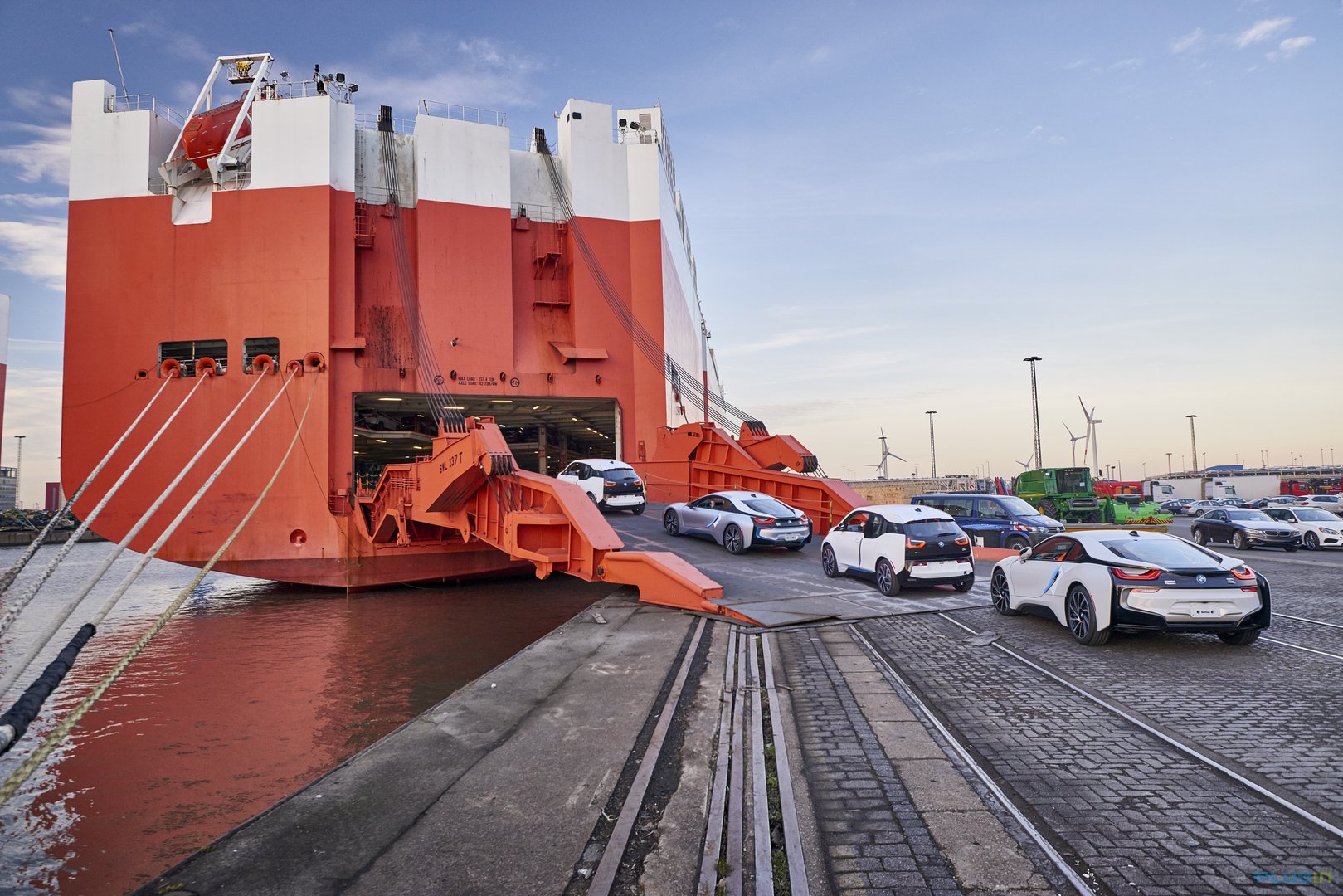
Modern car shipping is about far more than moving vehicles from one location to another. Behind every successful shipment is a network of technologies that collect, process, and analyze data to improve efficiency. From route planning and pricing algorithms to GPS tracking and automated communication, data-driven systems have transformed how vehicle transport companies operate and how customers experience the shipping process. As technology continues to evolve, data science is playing an increasingly important role in making car shipping faster, more reliable, and more transparent.
Data Powers Smarter Route Planning
One of the biggest technological advances in car shipping is route optimization. Instead of relying solely on driver experience, shipping companies now use software that analyzes traffic conditions, road networks, weather forecasts, fuel costs, and delivery schedules to determine the most efficient routes. By processing large volumes of real-time data, these systems can reduce travel times, lower fuel consumption, and improve delivery accuracy. This benefits both transport providers and customers, who receive more dependable delivery estimates.
Predictive Analytics Improves Efficiency
Data science also helps companies anticipate future demand. By analyzing historical shipping volumes, seasonal trends, and customer behavior, businesses can predict when demand is likely to increase and allocate drivers and equipment accordingly. Predictive analytics can also identify potential bottlenecks before they occur. For example, if historical data shows that certain routes experience delays during particular times of the year, companies can adjust schedules in advance to minimize disruption.
Digital Marketplaces Connect Customers and Carriers
Technology has also changed the way customers find vehicle transport services. Rather than contacting multiple companies individually, many people now use online marketplaces that collect transport requests and connect them with qualified carriers.
When searching for Nashville car transporters, customers can compare quotes, review company ratings, and evaluate service options through a single platform. Behind the scenes, these systems use algorithms to match transport requests with suitable carriers based on factors such as location, route availability, vehicle type, and pricing. This creates a more efficient marketplace for both customers and transport providers.
Real-Time Tracking and Communication
GPS technology has made vehicle shipping far more transparent than it once was. Transport companies can monitor the location of carriers throughout their journey, while customers often receive regular updates on the status of their shipment. This continuous flow of data allows businesses to respond quickly if delays occur and keeps customers informed without requiring constant phone calls or emails. Automated notifications also improve communication, ensuring everyone involved has access to the latest information.
The Future of Data-Driven Shipping
As artificial intelligence and machine learning continue to develop, car shipping systems are likely to become even more intelligent. Future platforms may be able to predict maintenance requirements for transport vehicles, recommend the most efficient carrier based on live market conditions, or generate increasingly accurate pricing models using real-time data. For businesses, these advances can improve operational efficiency and reduce costs. For customers, they promise faster bookings, better visibility, and a smoother overall experience.
Through data science, predictive analytics, intelligent route planning, and digital marketplaces, shipping companies can deliver more efficient services while giving customers greater transparency throughout the transport process. As these technologies continue to evolve, they will play an even greater role in shaping the future of vehicle transportation.