
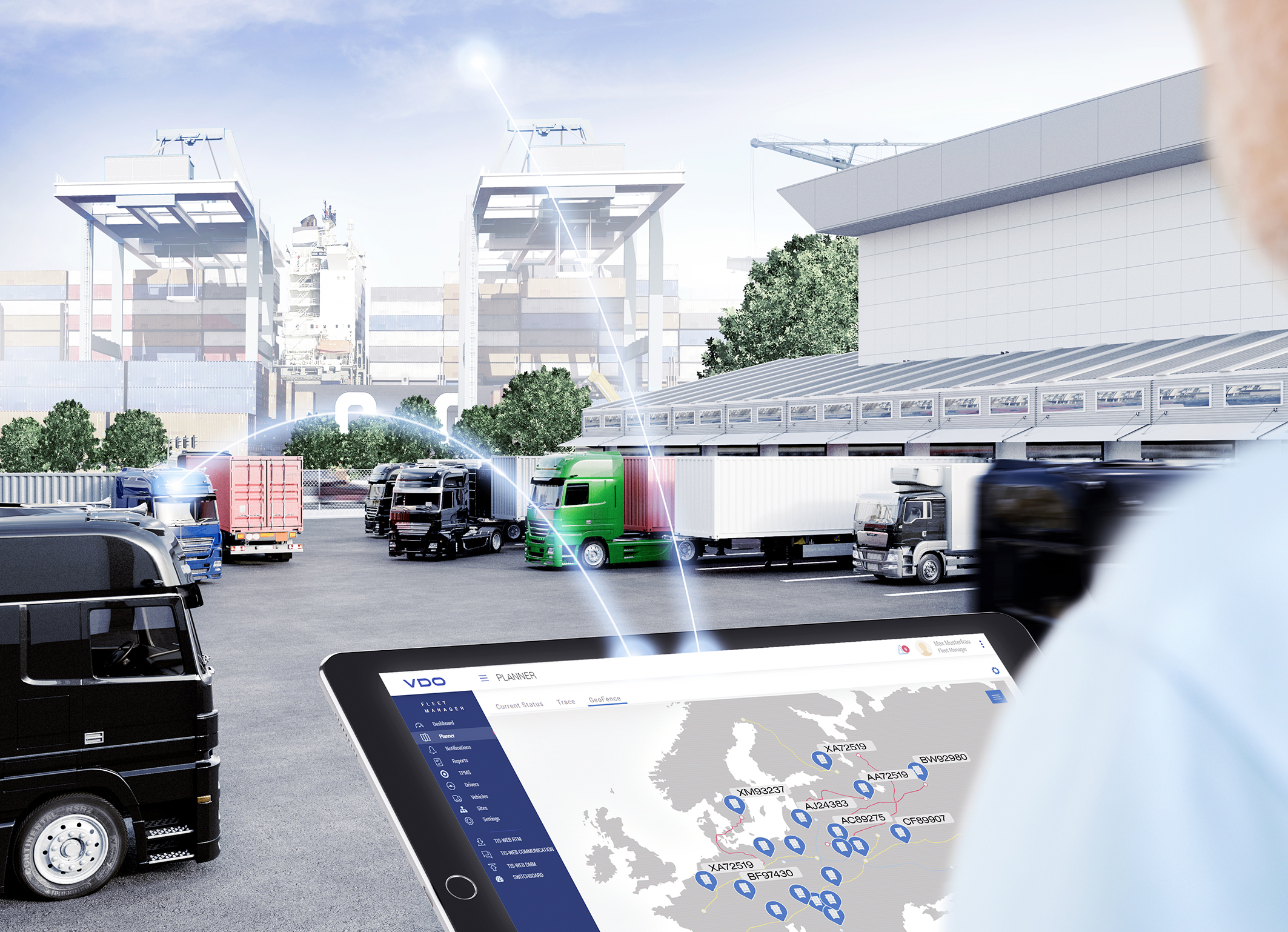
As companies struggle with fleets of countless vehicles, it is no surprise that fleet management software has become one of the most important components of their operations. Thanks to the synergy between artificial intelligence algorithms, such systems have grown into huge machines that optimise work processes, cut down expenses, and increase general effectiveness across the board. This article looks into how fleet management software is being revolutionized by Artificial Intelligence and why it has become a must-have application in the modern logistics industry.
What is Fleet Management Software?
Software for fleet management is a digital solution that serves to integrate and organize the fleet. It allows the business to trace cars, assess the drivers’ productivity, determine the best roads, and control the maintenance of the fleet. By using AI technology, fleet management software has evolved into a much more advanced system where business intelligence prediction and automation take over many processes.
This software for fleet management and optimization also helps the company with their analytics regarding the business, making it possible to make decisions on the spot. The software’s scalability means that it is suitable for use by a start-up company as well as a multinational corporation. The development of artificial intelligence means that the software now also features auto reporting, which has enhanced its integration with various other business systems, and has therefore become an important tool in modern logistics.
How AI Enhances Fleet Management Software
Artificial intelligence introduces the advanced capabilities in fleet management software, which allow businesses to make data-driven decisions and improve operational efficiency. The key areas where AI plays a pivotal role are as follows:
Predictive Maintenance
AI-powered fleet management software uses data from the vehicle’s sensors to predict maintenance requirements. This identifies potential problems when they are at a nascent stage, which allows businesses to:
- Reduce the downtime of their vehicles.
- Minimize maintenance expenses.
- Increase the lifespan of their vehicles.
Predictive maintenance is a game-changer, particularly for large-fleet businesses. It minimizes unexpected breakdowns and ensures that vehicles are in optimal condition always, thus boosting overall productivity.
Route Optimization
AI looks at current data like traffic, weather, and delivery times to find the best routes. This results in:
- Less fuel use.
- Quicker deliveries.
- Happier customers.
By learning from past data, AI makes its route planning better over time, helping businesses meet delivery deadlines and lower costs.
Driver Behavior Analysis
Fleet management software with AI monitors driver behavior and detects risky behavior such as sudden braking or over speeding. This way, fleet managers can:
- Improve driver safety.
- Reduce accident rates.
- Reduce insurance premiums.
Further, AI offers constructive feedback to drivers to enhance safe driving behavior and prevent accidents. This is not only a safety measure but also a reputation enhancer for the organization.
Fuel Management
AI also assists in optimizing fuel usage through consumption patterns and anomaly detection such as fuel theft or inefficiency. It brings about tremendous cost savings.
Fuel management is especially important today due to fluctuating fuel prices in the economy. AI insights empower businesses to implement green policies that reduce their carbon footprint further, saving money on costs.
Automated Compliance Monitoring
Regulations such as Hours of Service (HOS) and emissions standards can be automated with AI. The fleet management software ensures proper reporting and prevents penalty charges.
Automated compliance monitoring reduces the administrative burden on fleet managers to focus on strategic initiatives. It also ensures that businesses remain compliant with ever-changing regulations, thus avoiding costly fines.
Benefits of AI-Driven Fleet Management Software
The integration of AI into fleet management software provides various benefits, such as:
Operational Efficiency
AI automates scheduling, dispatching, and inventory management. This saves the time and resources of a company. Businesses can manage larger fleets with fewer personnel, which decreases overhead costs drastically.
Safety
Real-time data analysis by AI alerts drivers about potential hazards. It even takes corrective actions automatically, such as automatic braking. This proactive approach to safety decreases accidents and safeguards valuable assets.
Cost Reduction
AI leads to substantial cost savings for businesses, from fuel savings to minimized maintenance costs. These savings can be invested elsewhere, hence boosting overall growth.
Data-Driven Insights
AI processes vast amounts of data, providing actionable insights that lead to better decision-making and long-term planning. Businesses can use such insights to find trends, optimize resources, and improve efficiency overall.
Scalability and Flexibility
AI-based fleet management applications are highly scalable, making them suitable for organizations of all sizes. Their inbuilt flexibility ensures that they are responsive to changing business needs, hence a future-proof solution.
The Future of Fleet Management Software Using AI
The future of fleet management software seems bright with the continuous advancement of artificial intelligence. The introduction of new technologies, such as autonomous vehicles and advanced IoT integrations, is likely to revolutionize the industry even further, offering unprecedented levels of efficiency and innovation.
For example, autonomous vehicles can reduce human errors, reduce operational costs, and enhance delivery timelines. The IoT devices also provide real-time updates on the health of a vehicle, location, and environmental conditions, enhancing decision-making capabilities.
The most interesting development would be the integration of blockchain technology with AI. Blockchain enhances data security and transparency. This ensures fleet operations are efficient and trustworthy. These will shift the frontiers of fleet management to become much more efficient, reliable, and sustainable.
Conclusion
Fleet management software, with the power of artificial intelligence, is a game-changer for businesses managing vehicle fleets. Optimizing routes, predicting maintenance needs, and improving safety are some of the competitive advantages AI-driven solutions offer. Businesses cannot afford to be left behind in today’s fast-paced world and must embrace these technologies.
Regardless of whether one wants to increase operational efficiency or reduce costs, the adoption of AI-based fleet management software is crucial in realizing the full potential of a fleet. As the industry evolves, companies that adopt these technologies quickly will be strategically positioned to gain market leadership, thus ensuring long-term success and sustainability.