
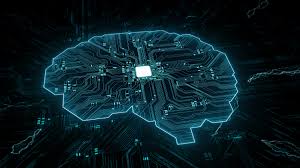
The interplay between Big Data and Artificial Intelligence (AI) has revolutionized many fields, including IQ studies. This transformative approach is redefining how we measure, analyze, and interpret intelligence. From exploring types of IQ to investigating intriguing figures like Elon Musk’s IQ and pondering questions like “Does Elon Musk have ADHD?”, the integration of cutting-edge technology is providing profound insights.
Understanding IQ and Its Types
IQ, or Intelligence Quotient, is a standardized measure of cognitive ability. Traditionally, IQ tests focused on logical reasoning, mathematical ability, and problem-solving. However, modern research has expanded our understanding of intelligence into multiple domains. These include:
- Logical-Mathematical Intelligence: The ability to reason, calculate, and solve problems.
- Linguistic Intelligence: Proficiency in language use, including reading and writing.
- Spatial Intelligence: The capacity to visualize and manipulate objects mentally.
- Emotional Intelligence (EQ): Understanding and managing one’s emotions and those of others.
- Creative Intelligence: The ability to innovate and think outside the box.
The advent of Big Data allows researchers to explore these types of IQ comprehensively. By analyzing large datasets, they can identify patterns, correlations, and outliers, offering a nuanced understanding of human intelligence.
Big Data in IQ Studies
Big Data refers to vast and complex datasets that traditional methods cannot easily process. In IQ studies, Big Data enables the collection of information from diverse sources, including online tests, educational records, and cognitive assessments. The benefits of Big Data in this field include:
- Personalization: Tailoring IQ tests to individual strengths and weaknesses.
- Global Trends: Understanding intelligence differences across demographics and cultures.
- Longitudinal Studies: Tracking IQ changes over time.
For instance, Big Data can analyze millions of IQ test results to uncover trends, such as the impact of education, socioeconomic factors, and genetics on intelligence.
Artificial Intelligence and IQ Research
AI enhances IQ studies by automating data analysis and enabling predictive modeling. Machine learning algorithms can identify complex patterns that would otherwise go unnoticed. Key applications of AI in IQ research include:
- Adaptive Testing: AI-powered platforms adjust the difficulty of questions based on the respondent’s answers.
- Pattern Recognition: AI identifies correlations between cognitive traits and life outcomes, such as career success.
- Predictive Analysis: Machine learning predicts future IQ scores based on early childhood data.
For example, AI systems can predict how interventions, such as improved education or cognitive training, might influence an individual’s IQ over time.
Elon Musk’s IQ: A Fascinating Case Study
Elon Musk, the renowned entrepreneur behind Tesla, SpaceX, and Neuralink, is often regarded as a genius. While his exact IQ score remains undisclosed, estimates suggest it could be in the range of 155–160, placing him in the “exceptionally gifted” category. Musk’s achievements exemplify logical-mathematical and creative intelligence, making him an ideal subject for IQ studies.
Big Data and AI could play a pivotal role in analyzing Musk’s cognitive profile. By examining his public speeches, interviews, and projects, researchers could gain insights into his problem-solving strategies, decision-making processes, and ability to innovate.
Does Elon Musk Have ADHD?
Speculation about whether Elon Musk has ADHD (Attention Deficit Hyperactivity Disorder) has fueled discussions about the link between neurodiversity and intelligence. ADHD is a neurodevelopmental disorder characterized by inattention, hyperactivity, and impulsivity. However, many individuals with ADHD exhibit high levels of creativity and problem-solving skills.
If Musk has ADHD, it could provide valuable insights into how neurodiversity influences types of IQ. AI and Big Data could analyze patterns in individuals with ADHD to understand how their cognitive traits differ from the general population. This research could highlight strengths, such as divergent thinking and resilience, that are often overlooked in traditional IQ assessments.
Advancements in Personalized IQ Testing
One of the most exciting developments at the intersection of Big Data and AI is personalized IQ testing. Unlike static tests, AI-driven platforms adapt in real-time, offering questions based on the user’s performance. This dynamic approach ensures a more accurate measurement of different types of IQ.
For example, a test-taker strong in linguistic intelligence might be presented with advanced vocabulary challenges, while another excelling in spatial intelligence might receive visual puzzles. Big Data refines this process by analyzing historical data to predict which tasks are most appropriate for each individual.
The Global Impact of Big Data on IQ Trends
Big Data’s reach extends beyond individual assessments. By aggregating data from diverse populations, researchers can identify global IQ trends. These insights are crucial for understanding how environmental factors, such as access to education, nutrition, and technology, impact intelligence.
For instance, studies leveraging Big Data have revealed the “Flynn Effect,” a phenomenon where IQ scores increase over generations due to improved living conditions. AI can further refine these analyses by accounting for variables like culture, language, and economic disparities.
Ethical Considerations in IQ Studies
While Big Data and AI offer tremendous potential, they also raise ethical concerns. Key issues include:
- Privacy: Ensuring the confidentiality of sensitive IQ data.
- Bias: Avoiding algorithmic biases that could skew results.
- Equity: Ensuring access to advanced IQ assessments across all demographics.
Addressing these challenges is essential to harnessing the full potential of Big Data and AI in IQ research.
Future Directions: Combining Big Data, AI, and Neurodiversity
The future of IQ studies lies in embracing diversity. By integrating Big Data and AI, researchers can explore how factors like neurodiversity, creativity, and emotional intelligence contribute to overall cognitive ability. For example, studying individuals like Elon Musk, who may exhibit unique cognitive traits, could redefine our understanding of intelligence.
Big Data could also facilitate large-scale studies on neurodiverse populations, including those with ADHD, autism, and other conditions. AI algorithms could identify strengths and challenges specific to these groups, paving the way for personalized educational and professional strategies.
Conclusion
The intersection of Big Data and Artificial Intelligence is transforming IQ studies, offering unprecedented insights into human intelligence. From exploring the types of IQ to examining figures like Elon Musk’s IQ and addressing questions like “Does Elon Musk have ADHD?“, these technologies are reshaping our understanding of cognitive abilities. As we navigate this exciting frontier, it is crucial to balance innovation with ethical responsibility, ensuring that advancements benefit individuals and society as a whole.