
In today’s data-driven world, businesses and researchers increasingly leverage advanced tools to understand human behavior. Two powerful fields—Artificial Intelligence (AI) and Behavioral Economics—combine to transform how we interpret data, predict actions, and make decisions. To truly harness the potential of this intersection, many organizations now hire expert AI engineers who can build intelligent systems that account for data patterns and human irrationality. But what happens when machine learning models are combined with insights into human behavior? Let’s explore how this intersection is revolutionizing data analysis.
What is Behavioral Economics?
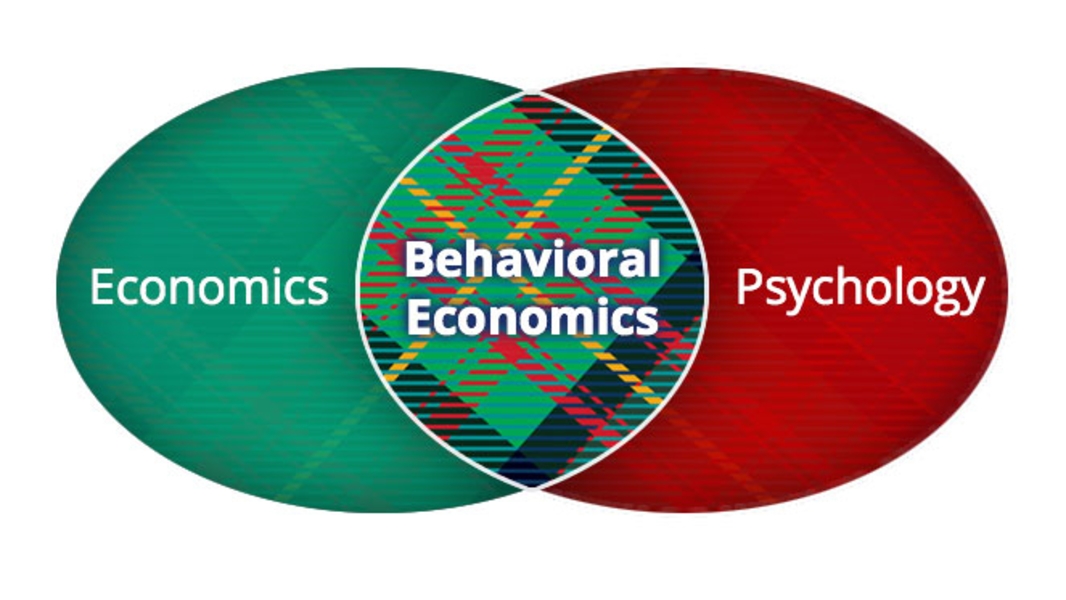
Behavioral economics is a blend of psychology and economics that studies how people behave—often irrationally—when making decisions. Unlike classical economics, which assumes that humans are always rational actors, behavioral economics accepts that cognitive biases, emotions, and social influences play a significant role.
Key concepts include:
-
Loss aversion: People fear losses more than they value gains.
-
Anchoring: Initial information acts as a reference point for future decisions.
-
Framing: The way choices are presented can significantly influence outcomes.
What Role Does AI Play in Data Analysis?
AI, primarily through Machine Learning (ML), uses algorithms to learn from large datasets, identify patterns, and make predictions. In data analysis, AI excels at:
-
Processing massive datasets quickly.
-
Uncovering hidden trends.
-
Automating insights and decision-making.
But AI models often lack the human element—why people behave as they do. That’s where behavioral economics comes in.
How AI and Behavioral Economics Complement Each Other
1. Enhancing Predictive Models
Traditional ML models rely heavily on past data. However, human behavior is not always consistent. By incorporating behavioral economic principles, AI systems can better predict how people might behave in new or unexpected situations. For instance, understanding that customers may overreact to price increases due to loss aversion can fine-tune dynamic pricing models.
2. Improving Customer Segmentation
AI clusters users based on behavior, but adding behavioral insights can help marketers understand why those segments behave differently. For example, two customers may have similar purchase histories but respond differently to a promotion based on how it’s framed.
3. Optimizing User Experience (UX)
Behavioral nudges—like setting a default option or using social proof—can be more effective when driven by AI-generated insights. Platforms like Netflix or Amazon use AI to recommend content, but behavioral economics ensures the interface influences user choices effectively.
Real-World Applications
1. E-commerce
AI predicts what products a user might buy. Behavioral economics explains why a user might abandon a cart—fear of missing out (FOMO), hesitation due to pricing, or too many options (choice overload)—combining both leads to smarter retargeting and UX design.
2. Finance
Robo-advisors use AI to recommend investments. When infused with behavioral insights, they can tailor advice to match an investor’s risk tolerance, emotional biases, or tendency to overreact to market shifts.
3. Healthcare
AI can identify patients at risk of non-adherence to medication. Behavioral economics provides solutions, like reminder systems or reward-based incentives, to improve compliance. AI scribes can document these risks in real time and the patient’s medical record.
Challenges at the Intersection
Data Ethics and Bias
AI models may inherit biases from data. Behavioral economics can expose underlying assumptions and correct for irrational interpretations. However, care must be taken not to manipulate behavior unethically.
Complexity in Integration
Blending quantitative AI techniques with qualitative behavioral models requires interdisciplinary expertise, which isn’t always readily available.
The Future of AI and Behavioral Economics
The interaction between AI and behavioral economics is still in its early stages, but its potential is enormous. As both fields evolve, we can expect:
-
More personalized and ethical AI systems.
-
Enhanced public policy tools that predict societal responses more accurately.
-
More innovative business strategies that respect both data and human psychology.
Conclusion
The intersection of AI and behavioral economics in data analysis represents a paradigm shift. While AI offers speed and scale, behavioral economics adds depth and understanding. Together, they enable thoughtful decision-making, empathetic user experiences, and powerful predictive capabilities. For businesses, policymakers, and researchers alike, embracing this blend is no longer optional—it’s the future.