
A New Way of Living
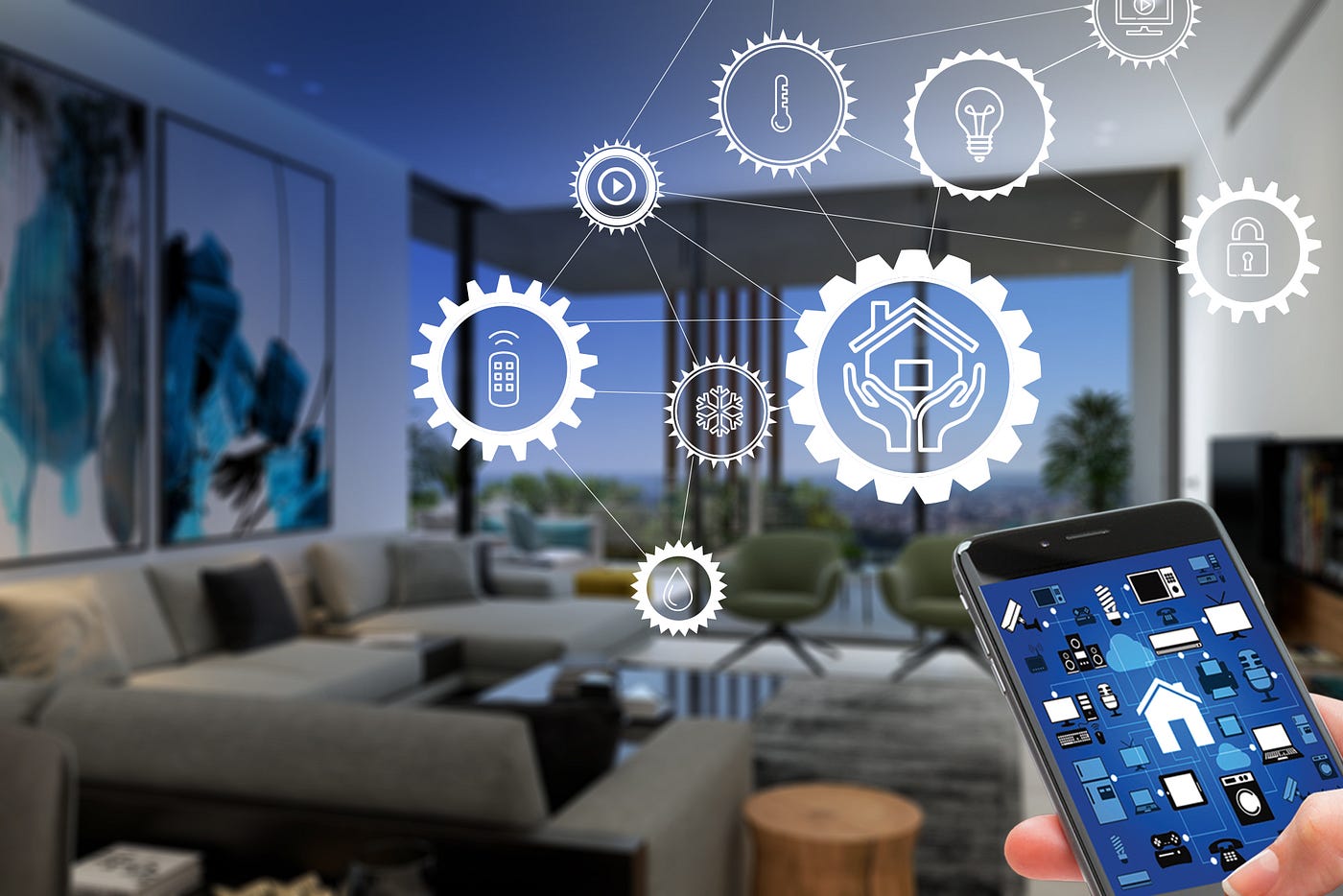
Life in 2025 looks very different from a decade ago. Smart devices, voice assistants, and connected homes have turned daily routines into smooth digital experiences. People now wake up to lights that adjust themselves, thermostats that predict comfort, and fridges that remind them to buy milk. Technology has become a quiet helper that makes life easier. But smart living isn’t just about gadgets—it’s about creating a lifestyle that blends comfort, efficiency, and connection.
From Convenience to Control
The main goal of smart living is control. Whether it’s adjusting your home temperature from your phone or checking who’s at the door from across the city, technology gives you freedom. Smart systems let people manage energy use, reduce waste, and save time. Homeowners can track how much electricity they use and make quick changes that help both their bills and the planet. This level of control has turned simple homes into intelligent ecosystems. Each device now works with the others, learning patterns and anticipating needs.
How Smart Devices Learn Your Habits
Today’s technology doesn’t just follow commands—it learns. Smart speakers remember your routines. Security cameras recognize family members. Streaming apps suggest what to watch next based on your mood. Machine learning and artificial intelligence make this possible. These systems collect data, analyze patterns, and quietly improve your daily comfort. For example, a smart home can notice when you usually wake up, adjust lighting automatically, and start your morning playlist before your feet hit the floor. This invisible layer of personalisation makes digital life feel almost human.
Smart Cities and the Bigger Picture
Smart living isn’t limited to homes. It’s expanding into entire cities. Urban areas now use connected systems to manage traffic, public safety, and energy. Streetlights adjust brightness based on movement. Waste bins send alerts when they’re full. Transit systems predict crowding and suggest faster routes. These small changes add up to something powerful—cities that think and respond in real time. Smart living at scale improves efficiency, saves money, and reduces environmental impact. It also builds stronger communities by connecting people to the systems they use every day.
The Role of Connectivity
None of this would work without strong internet connections. 5G and fiber networks have made smart living smoother and faster than ever. The Internet of Things (IoT) connects everything—phones, cars, thermostats, even toothbrushes. Each device talks to another, forming a network of constant communication. That’s where technologies like Instanavigation help users move through these connected systems effortlessly. Whether controlling devices, managing schedules, or finding information, fluid interaction is key. When connectivity feels invisible, technology becomes part of life—not a distraction from it.
Privacy in a Smart World
As homes and devices get smarter, privacy becomes more important. Every connected gadget collects some kind of data—about habits, preferences, and daily routines. The challenge is keeping that data safe. Companies now face growing pressure to protect user information and be transparent about how it’s used. Consumers are becoming more careful too. Many choose brands that offer stronger security and clearer privacy settings. Smart living should feel empowering, not invasive. People want control over their technology, not the other way around.
The Human Side of Smart Living
Despite all the automation, human connection remains the center of smart living. Technology works best when it enhances relationships, not replaces them. Smart homes allow families to stay connected parents can check in on kids, elderly people can live independently, and loved ones can share experiences in real time. Even social habits are changing. People spend less time on chores and more on creative or personal goals. Smart living gives time back—the most valuable thing technology can offer.
The Eco-Friendly Advantage
Smart technology also plays a big role in sustainability. Automated lighting, energy-efficient appliances, and AI-driven systems reduce waste and cut emissions. Many homeowners now track water and electricity use through apps, adjusting habits to save resources. Solar panels, paired with smart energy storage, make homes greener and cheaper to run. Eco-friendly living isn’t a luxury anymore—it’s part of the smart living mindset.
Challenges and the Road Ahead
The biggest challenge ahead is balance. Technology is growing fast, but people need time to adapt. Some worry that too much automation will make daily life impersonal. Others struggle with constant updates, subscriptions, and compatibility issues between devices. The future of smart living depends on a design that feels simple, secure, and human. Technology should stay in the background—helping without overwhelming. As systems become more intelligent, companies must focus on ethics, accessibility, and emotional comfort.
The Future of Everyday Life
In the next few years, smart living will expand far beyond homes. Wearable health devices will monitor well-being. Cars will sync with schedules. Workspaces will adjust to boost focus and reduce fatigue. Virtual and augmented reality will bring education, shopping, and healthcare right into people’s homes. The digital age isn’t about replacing the real world it’s about making it more connected, efficient, and human-centred.
Conclusion
Smart living is more than a tech trend, it’s a cultural shift. It’s about creating spaces that adapt to us, support our values, and make life simpler. The goal isn’t more gadget,s it’s better living. When technology fades into the background and life takes centre stage, that’s when smart truly becomes meaningful.