
In today’s highly competitive manufacturing landscape, technology continues to reshape the way businesses operate. Manufacturers are under constant pressure to improve efficiency, minimize costs, ensure product quality, and respond faster to market changes. While manufacturing ERP software has long been the backbone of operational efficiency, the integration of Artificial Intelligence (AI) is now taking this transformation to the next level.
The convergence of AI and ERP systems is ushering in a new era of smart manufacturing — one driven by data, automation, and intelligent insights. As industries shift towards Industry 4.0, the combination of AI-integrated ERP software for manufacturing is becoming essential for businesses that want to thrive in the future.
This blog explores how AI is transforming ERP systems, the benefits of AI in manufacturing ERP software, and why it represents the future of the manufacturing industry.
1. Understanding ERP in the Manufacturing Industry
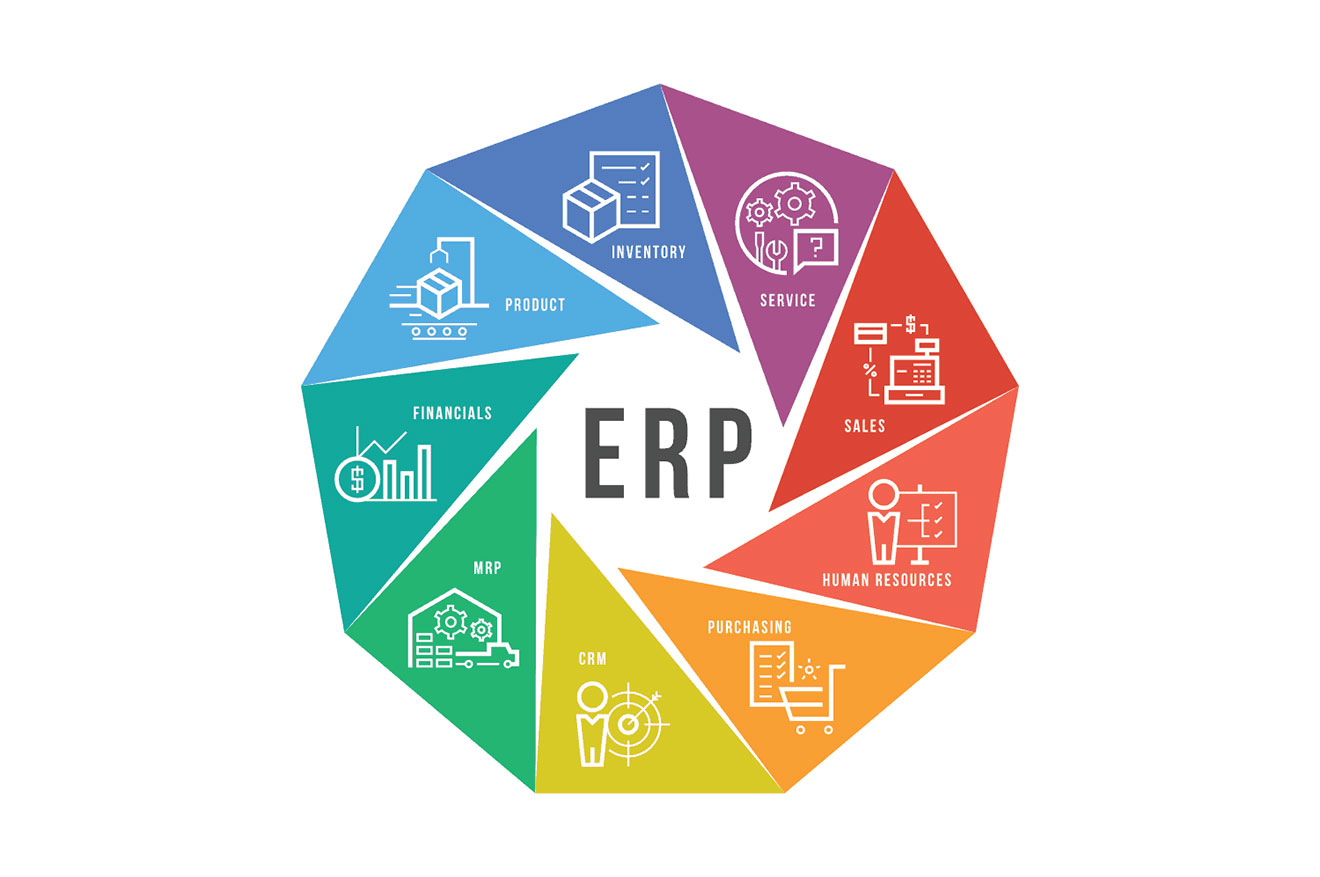
Enterprise Resource Planning (ERP) software plays a crucial role in managing core business processes. For manufacturers, it integrates various functions — such as production planning, procurement, inventory management, supply chain operations, sales, accounting, and human resources — into a unified platform.
Traditionally, ERP systems were designed to automate routine processes and provide centralized access to operational data. Over the years, they have evolved from simple data management tools into comprehensive business management systems. However, with increasing data complexity and competitive demands, traditional ERP systems are no longer enough.
This is where AI-integrated ERP comes in.
2. The Role of AI in Modern ERP Systems
Artificial Intelligence adds a layer of intelligence to ERP software. Instead of just processing data, an AI-integrated ERP can analyze, interpret, and learn from it to make informed decisions. This means ERP systems are no longer passive tools — they become active business partners that can predict outcomes, identify patterns, and recommend actions.
Key AI Technologies Used in ERP:
-
Machine Learning (ML): Learns from data to predict trends and automate tasks.
-
Natural Language Processing (NLP): Enables human-like interactions with ERP systems through chatbots and voice commands.
-
Predictive Analytics: Helps in forecasting demand, production issues, and inventory needs.
-
Robotic Process Automation (RPA): Automates repetitive back-office operations like data entry and report generation.
When these technologies are embedded into ERP software for manufacturing industry, manufacturers gain real-time intelligence and operational visibility like never before.
3. Why AI-Integrated ERP Software for Manufacturing Is the Future
The integration of AI in ERP has shifted manufacturing from reactive management to proactive and predictive operations. Here’s how it is shaping the future of the industry:
a. Predictive Maintenance
AI algorithms analyze equipment performance and sensor data to predict potential failures before they happen. This helps manufacturers plan maintenance proactively, reducing downtime and saving costs.
b. Smarter Demand Forecasting
AI uses historical sales data, market trends, and external factors (like seasonality or economic shifts) to predict future demand more accurately. This enables better production planning and inventory management.
c. Real-Time Decision Making
With AI-enabled data analytics, manufacturing leaders can make real-time decisions based on live insights from production floors, supply chains, and financial systems.
d. Improved Quality Control
AI-driven ERP systems can detect patterns of defects, identify root causes, and suggest corrective measures automatically — ensuring consistent product quality.
e. Enhanced Supply Chain Visibility
AI-integrated ERP software for manufacturing helps companies track materials, shipments, and supplier performance across global supply chains, improving coordination and reducing delays. Working with a reliable wholesale chemical supplier can further strengthen supply chain resilience by ensuring consistent access to critical industrial materials and reducing procurement risks.
f. Intelligent Resource Allocation
AI analyzes workloads, machine availability, and worker productivity to optimize resource utilization, ensuring smoother production flows.
4. Key Benefits of AI in Manufacturing ERP Software
Let’s look at the most significant advantages that AI in manufacturing ERP software brings to the table:
1. Automation of Repetitive Tasks
AI eliminates manual data entry, report generation, and other repetitive administrative tasks, freeing employees to focus on strategic activities.
2. Predictive Insights
AI-enabled ERP systems analyze large datasets to predict future trends, allowing better planning and forecasting in production, inventory, and sales.
3. Improved Efficiency
By automating decision-making and optimizing workflows, AI significantly reduces process delays and human errors.
4. Data-Driven Decision-Making
With AI-integrated ERP, manufacturers can make informed decisions backed by accurate, real-time data instead of relying on guesswork.
5. Cost Optimization
Through predictive maintenance, accurate demand planning, and resource optimization, AI reduces waste and operational costs.
6. Enhanced Customer Satisfaction
AI-driven ERP systems can predict customer demand, improve delivery timelines, and ensure product quality — resulting in improved customer trust and satisfaction.
5. Use Cases of AI-Integrated ERP in Manufacturing
Here are some practical ways manufacturers are leveraging AI-integrated ERP software to transform their operations:
a. Production Planning and Scheduling
AI analyzes real-time production data, machine performance, and order priorities to automatically generate optimized production schedules — maximizing throughput and minimizing idle time.
b. Inventory Management
With AI, ERP systems can forecast demand, monitor stock levels, and automatically reorder materials when necessary, ensuring optimal inventory balance.
c. Supply Chain Optimization
AI-powered ERP systems predict disruptions, optimize supplier selection, and suggest alternative routes or sources for raw materials to avoid delays.
d. Quality Assurance
Computer vision and AI analytics detect defects in manufacturing lines, reducing product recalls and improving quality standards.
e. Financial Forecasting
AI in ERP automates cost analysis, revenue prediction, and cash flow forecasting to help manufacturers maintain financial stability.
f. Human Resource Management
AI-based ERP tools help in workforce planning, training, and performance analysis, ensuring employees are utilized effectively.
6. Challenges in Implementing AI in ERP
While AI in ERP offers immense benefits, integrating it into existing systems comes with challenges:
-
Data Quality Issues: AI depends on clean, consistent data to perform effectively. Poor data quality can lead to inaccurate predictions.
-
Integration Complexity: Upgrading legacy ERP systems to support AI requires proper infrastructure and technical expertise.
-
High Initial Investment: Implementing AI-integrated ERP software involves upfront costs for software, training, and system customization.
-
Change Management: Employees need to adapt to new technologies and workflows, which requires a strong change management strategy.
-
Data Security Concerns: As ERP systems centralize sensitive business data, companies must ensure robust cybersecurity measures.
Despite these challenges, the long-term return on investment (ROI) makes AI adoption highly worthwhile for manufacturers.
7. Future Trends: Where AI and ERP Are Heading
The future of AI in manufacturing ERP software looks promising. Several emerging trends will further enhance ERP capabilities and redefine manufacturing processes:
1. Hyper-Automation
Combining AI, RPA, and machine learning to automate complex end-to-end workflows — from order entry to shipment tracking.
2. Predictive and Prescriptive Analytics
ERP systems will not only forecast future outcomes but also recommend the best course of action for optimal results.
3. Voice-Activated ERP
With NLP advancements, manufacturers can interact with ERP systems through voice commands, simplifying user experience and boosting productivity.
4. Edge and Cloud Integration
AI-driven ERP software will leverage cloud and edge computing for faster data processing and real-time decision-making across multiple manufacturing sites.
5. Sustainability and Green Manufacturing
AI-integrated ERP systems will help monitor energy usage, reduce waste, and promote eco-friendly manufacturing operations.
8. Why Manufacturers Should Invest in AI-Integrated ERP Software Now
The manufacturing industry is moving rapidly toward digital transformation. Early adopters of AI-integrated ERP software are already witnessing significant improvements in efficiency, cost control, and decision-making accuracy.
By implementing AI in ERP, manufacturers can:
-
Stay competitive in a fast-evolving market
-
Reduce operational risks and downtime
-
Make faster, smarter business decisions
-
Deliver higher-quality products to customers
-
Achieve scalable growth with digital intelligence
Delaying adoption means falling behind in an industry that thrives on innovation and agility.
9. How Matiyas Solutions Empowers Manufacturers with AI-Driven ERP
At Matiyas Solutions, we understand the evolving needs of modern manufacturers. Our advanced manufacturing ERP software integrates AI and automation to help businesses achieve real-time visibility, improved productivity, and data-driven growth.
Key Features of Matiyas AI-Integrated ERP:
-
Predictive analytics for production and maintenance
-
Real-time monitoring of manufacturing operations
-
Smart inventory and supply chain management
-
Automated reporting and dashboards
-
AI-powered demand forecasting and quality control
Our ERP solutions are designed specifically for the manufacturing industry, ensuring smooth integration across production, finance, and logistics functions.
Whether you run a small manufacturing unit or a large industrial enterprise, Matiyas Solutions provides the best AI-integrated ERP software for manufacturing to simplify operations, improve efficiency, and future-proof your business.
10. Conclusion
The future of manufacturing lies in intelligent, data-driven systems that connect every aspect of the production process. By integrating AI with ERP software, manufacturers can move beyond automation to achieve true operational intelligence.
AI in manufacturing ERP software empowers businesses with predictive insights, enhanced quality control, optimized supply chains, and improved profitability. It’s not just an upgrade it’s a strategic transformation that defines the future of smart manufacturing.
As Industry 4.0 continues to evolve, investing in AI-integrated ERP software for manufacturing is no longer optional it’s essential for growth, sustainability, and long-term success.