
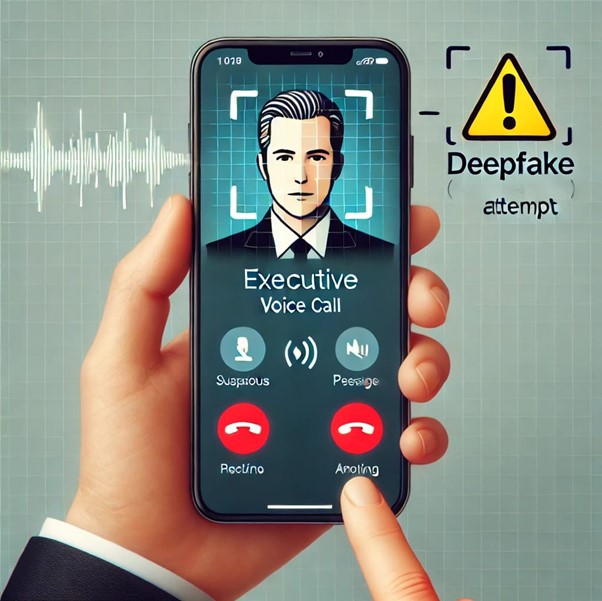
The cybersecurity landscape has changed faster in the last two years than it did in the previous decade. Cybercriminals now use artificial intelligence to scale attacks, automate deception and create realistic deepfake content that can trick both employees and security systems. This new environment is known as the deepfake phishing economy.
It is a fast-growing underground industry where criminals use AI based tools, voice clones and automated phishing frameworks to target people with speed and accuracy. For a long time, companies depended on Multi-Factor Authentication to protect important accounts. MFA added extra layers that required a second verification.
It made attacks harder and reduced risks for businesses of all sizes. But the rise of deepfake phishing has changed the rules. Criminals no longer need to break passwords when they can simply manipulate trust. This is why MFA cannot protect you by itself anymore.
Businesses now need a stronger combination of cybersecurity consulting services, AI driven threat detection and behaviour based verification. Without these layers, even the best MFA systems become easy to bypass.
The Rise of Deepfake Phishing
Deepfake technology started as a creative tool. Today, criminals use it to run voice scams, fake video conferences, impersonate leaders, and manipulate employees into sharing sensitive data. The deepfake phishing economy has grown because anyone can now use AI tools to create highly realistic content. A simple audio clip can create a complete voice clone. A few photos can build a video avatar that looks identical to a real person.
Even trained employees struggle to identify these fakes. Humans trust what they see and hear. This natural trust is now being weaponised.
The deepfake phishing economy houses many illegal services such as:
- Voice cloning as a service.
- CEO voice scams.
- Real time video impersonation.
- AI generated instructions.
- Fraudulent document creation.
- Social engineering scripts.
- Automated phishing platforms.
Criminals pay small amounts for these tools and earn huge profits by attacking thousands of targets at once. The more advanced AI becomes, the more convincing these deepfakes grow.
Why MFA Is No Longer Enough
MFA was designed to protect accounts from password based attacks. But deepfake phishing attacks do not focus on passwords. Instead, they target people. They rely on trust, urgency and real time manipulation. MFA becomes weak when attackers can control the person receiving the authentication request.
There are four major reasons why MFA fails in the deepfake era.
1. MFA Fatigue
Attackers flood employees with continuous verification prompts. After many notifications, employees approve one request by mistake or due to annoyance. Criminals then access company systems with full privileges.
2. Real Time Deepfake Calls
Criminals use cloned voices to call workers and request authentication codes. For example, an employee may receive a call that sounds exactly like their manager asking for urgent access approval. Since the voice matches, the employee shares the code.
3. Session Hijacking Tools
Modern phishing kits steal sessions even after MFA verification. Once the victim enters the code, the attacker captures the authenticated session and gets complete access.
4. Deepfake Video Pressure
Attackers create fake videos of senior leaders demanding immediate action. In these fake messages, the avatar looks real, speaks naturally and uses personal references. Employees feel pressured and follow instructions without verifying authenticity.
This shows that MFA does not fail because of technology. It fails because deepfakes attack human emotions.
Why the Deepfake Economy Is Growing
The deepfake phishing economy is growing for several reasons.
AI Tools Are Cheap
Voice cloning and video generation tools require very little money. Criminals can produce high quality fakes at low cost.
Easy Access
Anyone can download advanced open source models. This makes it simple to create fake voices, videos and documents.
Plug-and-Play Phishing Kits
Dark web marketplaces offer ready-made systems. Criminals do not need technical knowledge to run sophisticated attacks.
Scalable
AI allows attackers to target hundreds or thousands of people at the same time. This scale was impossible a few years ago.
High Success Rate
Deepfake phishing often produces better results than traditional attacks because the content looks real.
These reasons show why businesses must take a more advanced approach to cybersecurity instead of relying only on older defence methods.
Why Businesses Are Not Ready
Most companies are still following outdated security models. They have basic firewalls and use regular MFA. Many do not have tools to identify deepfake voices or spot manipulated videos. They also do not provide employees with training that covers AI driven phishing risks.
Employees often believe voice calls are always real. They also think video cannot be faked. Attackers take advantage of these trust gaps.
Companies also lack behaviour based authentication that monitors how a person types, moves the mouse, or uses systems. This creates more blind spots for attackers.
Cybersecurity consulting services become extremely important here. With expert guidance, businesses can upgrade their systems, improve employee awareness and implement AI based protective layers that look beyond simple MFA verification.
How AI Business Solutions Strengthen Security
AI business solutions are becoming a key part of modern cybersecurity strategies. These solutions use artificial intelligence to detect unusual behaviour, analyse risks and identify deepfake content. They help businesses stay updated with new threat patterns and react faster to attacks.
Some advanced AI based solutions include:
- Real time deepfake detection tools.
- Behaviour based authentication.
- AI powered email filtering.
- Conversation analysis for voice scams.
- Identity intelligence systems.
- Automated threat response.
- Continuous risk monitoring.
When paired with cybersecurity consulting services, AI business solutions can create a powerful defence strategy that prevents deepfake phishing attempts at multiple stages.
What Businesses Should Do Now
To stay safe in the deepfake phishing era, businesses should shift from a password centric mindset to a full identity protection mindset.
Here are some essential steps.
1. Strengthen Identity Verification
Businesses must use identity systems that check behaviour, typing speed, device signals and location patterns. Even if attackers have MFA codes, they cannot match the behaviour of the real user.
2. Use AI Based Threat Monitoring
AI monitors real time conversations and flags suspicious voice patterns, unusual requests or deepfake signs. This gives employees a warning before they react.
3. Conduct Modern Security Training
Employees must learn how deepfake voices and videos work. They must verify all unusual requests even if they appear real.
4. Build a Zero Trust System
Zero Trust means never trusting any action by default. Every access request is checked with multiple signals.
5. Work With Cybersecurity Consulting Services
Experts help create strong policies, design advanced security layers and choose the right AI tools to reduce risks.
6. Upgrade Authentication Methods
Businesses should move toward phishing resistant authentication like passkeys and hardware keys. These tools are harder to trick using social engineering.
7. Validate All High Risk Communications
Any financial or sensitive request must follow strict verification steps. No employee should act based on voice or video alone.
The Future of Cybersecurity
The deepfake phishing economy will continue growing. AI models will get better, faster and more realistic. Attackers will find new ways to use deepfake voices and videos to break trust. This means the future of cybersecurity depends on more than just technology updates. It depends on identity protection, AI supported monitoring and strong awareness among employees.
Businesses that adopt AI business solutions early and partner with cybersecurity consulting services will be better prepared. Those that rely only on MFA and basic training will face higher risks.
The real danger is not the attack itself. The danger is how real the attacker appears. When trust becomes a target, businesses need smarter defences.