

Technical Training Videos for Data Teams: Turning Specs into Short Modules
Pairing concise technical training videos with repository documentation helps data platform teams prevent the expensive query mistakes that happen when engineers skip […]
Pairing concise technical training videos with repository documentation helps data platform teams prevent the expensive query mistakes that happen when engineers skip […]
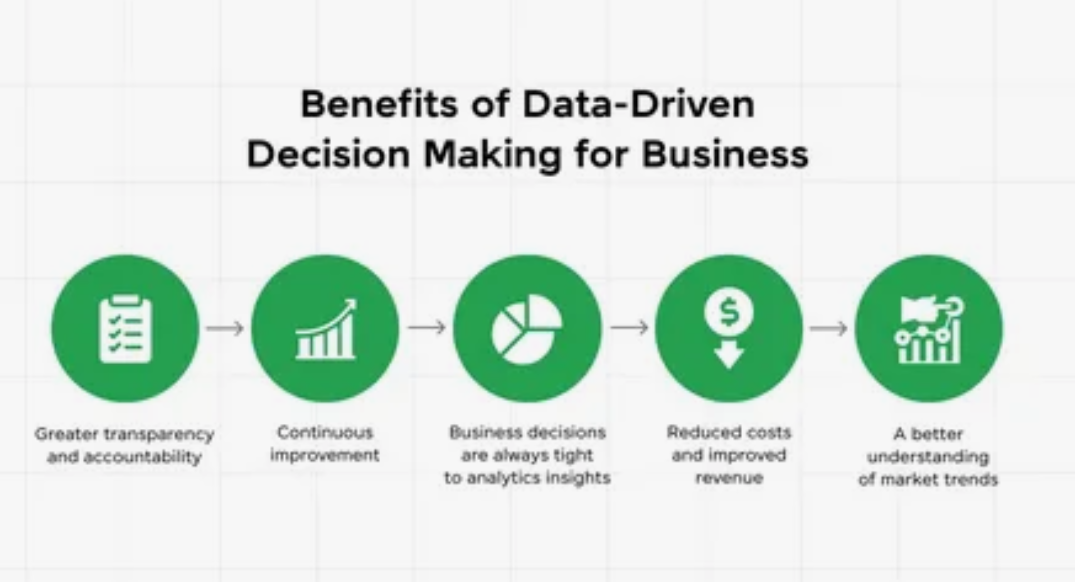
This article explains how organizations can turn raw data into reliable, AI-powered decisions by starting with clear business objectives and building strong foundations in data quality, integration, governance, and monitoring. It explores the shift from basic reporting dashboards to predictive and prescriptive intelligence, emphasizes the importance of deploying AI within real operational workflows, and highlights why human oversight and responsible AI practices are essential for trust, scalability, and measurable business impact.
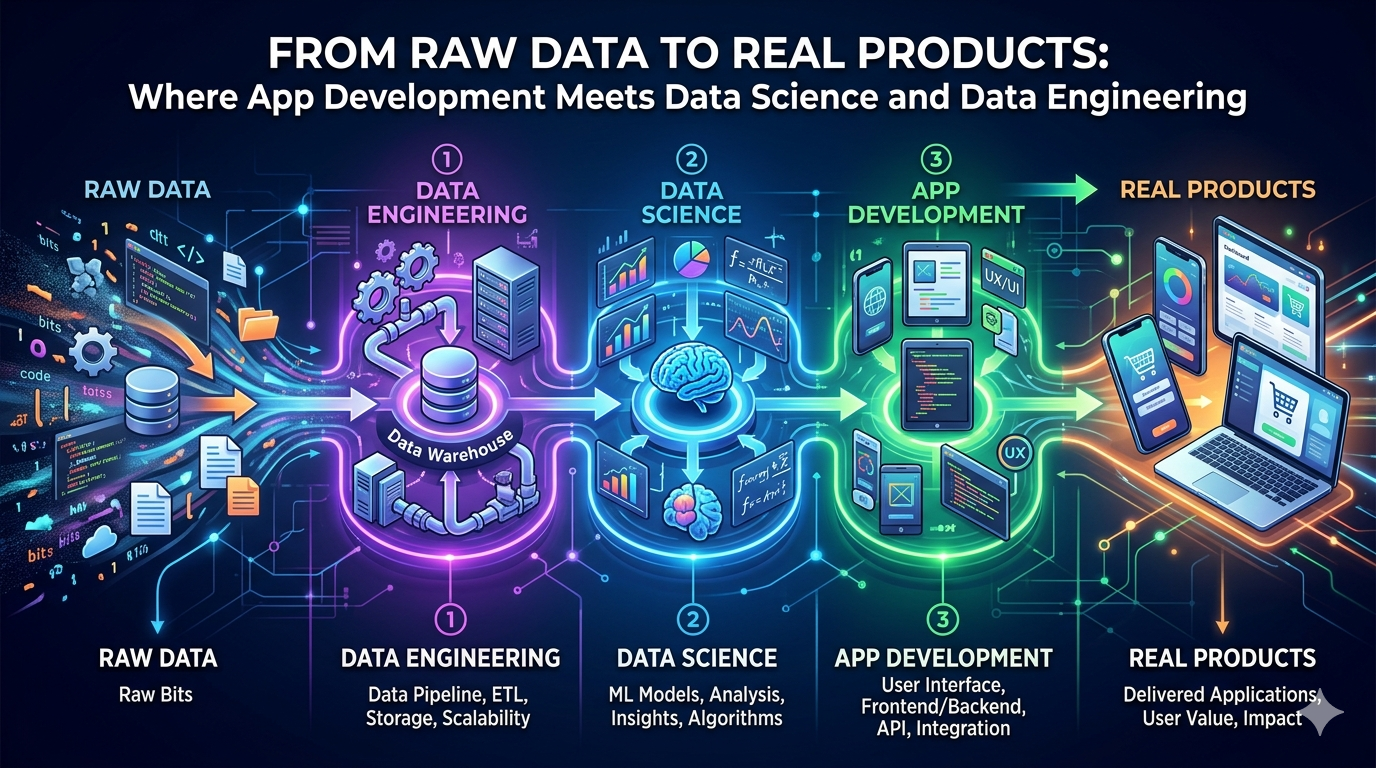
The line between app development and data science is no longer a line — it is a convergence. This article explores how the most competitive apps being built in 2026 are designed as data machines from the ground up, with data engineering and data science embedded into the product from day one rather than added as an afterthought. From event tracking architecture and data pipelines to personalisation engines and predictive churn modelling, the piece breaks down what a data-first development approach actually looks like in practice. For startup founders and CTOs, the core argument is clear — the technical foundation built in the first six months will either accelerate or constrain every data capability the product needs to compete in the years ahead.

Photography is a 4.7T/12 months statistics trouble. Learn how statistics scientists can personal the low-KD keyword ‘photography data preprocessing’ with EXIF pipelines, MLOps, and real-international case research like PixelShouters.

Modern background verification systems have evolved into dynamic data engineering ecosystems powered by real-time pipelines, API orchestration, and AI. This article examines how fragmented data is ingested, transformed, and processed through scalable ELT pipelines and streaming frameworks, while highlighting the role of APIs and real-time processing in enabling faster, more accurate decisions. It also shows how organizations can use an advanced background check solution to build intelligent, compliant, and continuously adaptive verification systems.

This article provides a practical, enterprise-focused overview of modern data engineering services, explaining how scalable, governed, and cloud-ready data systems enable reliable analytics and AI initiatives. It guides technology leaders through architectures, use cases, challenges, and strategic considerations for building AI-ready data foundations.

The future of data engineering is shifting from speed to trust. While performance once defined success, the next generation of data pipelines must guarantee transparency, reliability, and explainability. Businesses today don’t just need faster data they need trusted data they can act on confidently. By embedding validation, lineage tracking, and governance into every layer, a modern data engineering service provider ensures that every insight is backed by accuracy and accountability. As AI and analytics reshape decision-making, organizations that invest in trust-first pipelines will lead the way, turning clean, auditable data into their most valuable strategic asset.

The Data Science with Python Course is a key enabler in developing the necessary competencies by aspiring data professionals and experienced data professionals to harness data science Python–MySQL synergy.

This article delves into the multifaceted role of machine learning in healthcare, exploring its applications, benefits, challenges, and future implications.