

How to Balance Creativity and Automation with AI Writing
AI writing tools already transformed the content creation industry, as they offer incredible speed and accuracy. Writings drafts for blogs and an […]
AI writing tools already transformed the content creation industry, as they offer incredible speed and accuracy. Writings drafts for blogs and an […]

Discover how AI tools boost solo entrepreneurs by streamlining operations, enhancing marketing, and simplifying web development.
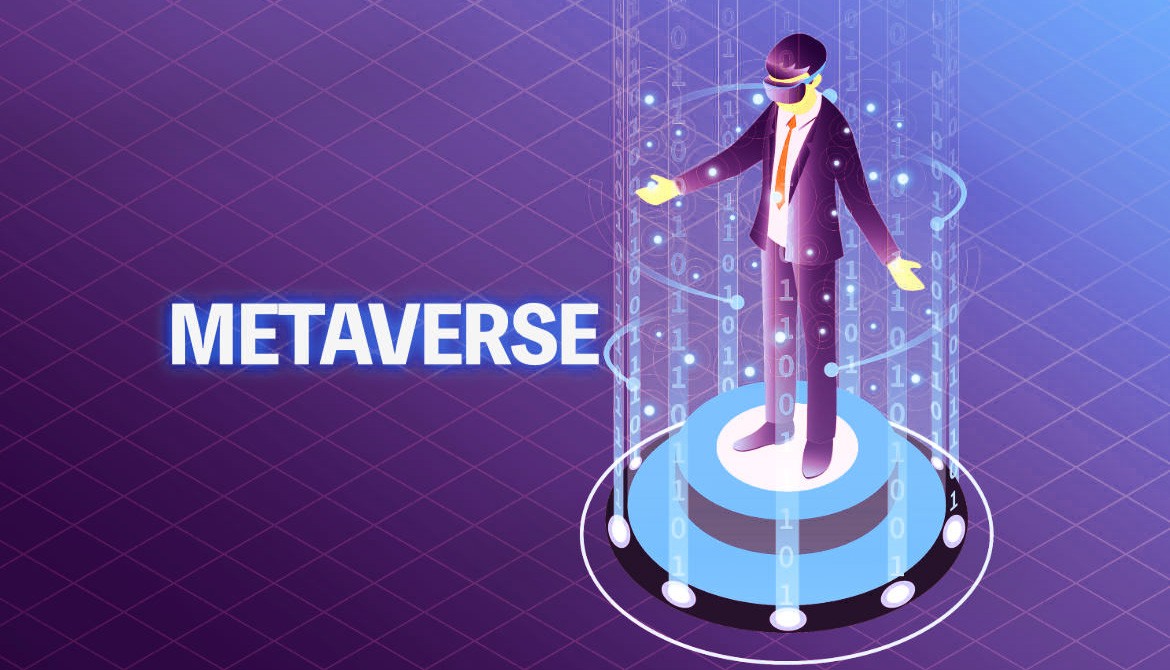
rtificial Intelligence (AI) is playing a crucial role in building and enhancing the metaverse, a virtual world where people interact, work, and play. AI contributes to the metaverse by enabling realistic virtual environments, creating intelligent avatars, and personalizing user experiences. AI-powered tools generate 3D assets, simulate lifelike physics, and support natural language processing for seamless communication. It also enhances scalability, ensuring smooth interactions among millions of users in real-time.
Additionally, AI drives content moderation, ensures user safety, and helps in analyzing vast amounts of data to optimize the metaverse’s performance. By integrating AI, the metaverse is becoming more immersive, interactive, and accessible, paving the way for its transformative impact on industries like gaming, education, healthcare, and commerce.
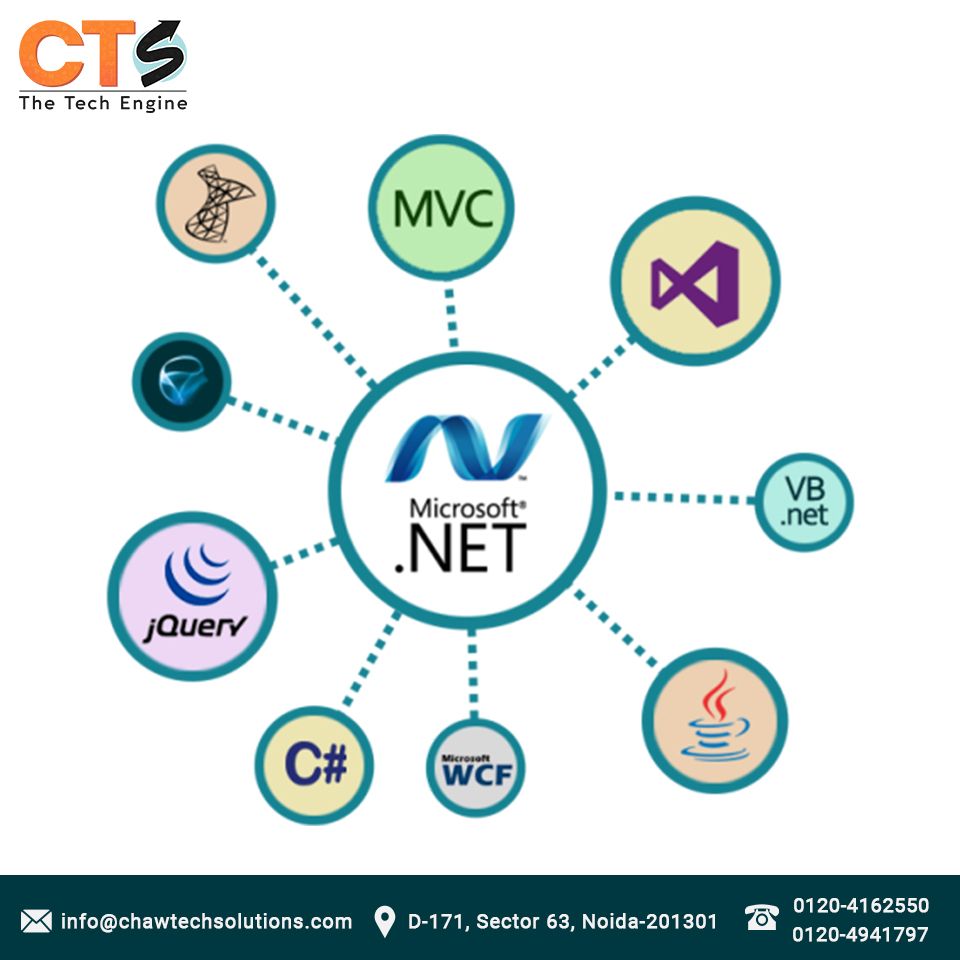
Discover how data science enhances offshore .NET development with predictive analytics, machine learning, and cloud computing. Learn how smarter solutions drive innovation and efficiency!
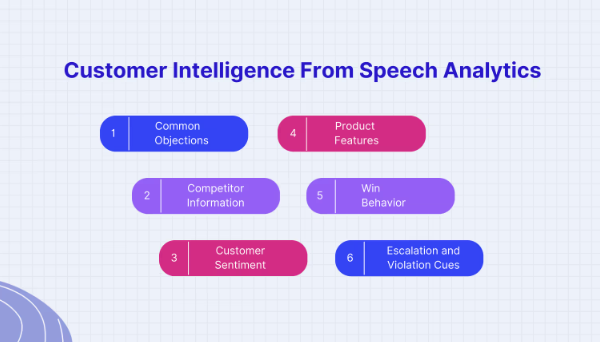
AI’s ability to detect tone of voice is powered by advanced natural language processing (NLP) and machine learning algorithms. These systems analyze linguistic features such as word choice, sentence structure, punctuation, and even vocal cues in spoken language, like pitch, tempo, and intensity. By training on vast datasets, AI learns to recognize patterns associated with emotions, sentiments, and conversational nuances. This technology is used in applications like sentiment analysis, customer service, and mental health tools, enabling AI to interpret not just what is being said, but how it’s being communicated.

Artificial Intelligence (AI) is reshaping the landscape of modern church services, enhancing spiritual engagement, administration, and outreach. This article explores AI’s transformative impact, including personalizing worship experiences, streamlining administrative tasks, and assisting in sermon creation. AI tools improve outreach efforts through targeted advertising, social media engagement, and personalized communication materials like church flyers. Technologies such as Virtual Reality (VR) and Augmented Reality (AR) create immersive worship experiences, while AI-driven tools support spiritual counseling and worship music composition. Additionally, AI enhances inclusivity with real-time translations and assistive technologies, empowering churches to better serve diverse congregations. Despite ethical challenges such as data privacy and algorithmic biases, AI presents immense opportunities to modernize church services while retaining spiritual authenticity. By embracing these innovations responsibly, churches can foster deeper connections and fulfill their mission more effectively.

Data science enhances food delivery apps by analyzing user behaviour, optimizing logistics, personalizing interfaces, and improving customer support, fostering better user experiences and operational efficiency in competitive markets.

In a world where changes on the Internet have been happening minute after minute, the education sphere also couldn’t remain protected from […]

Growing your sales starts with rethinking what you bring to the table. In a world of endless choices, it’s crucial to give […]

For travelers and industry professionals, embracing these AI-driven advancements offers a glimpse into a future where planning, booking, and enjoying travel is smarter and more enjoyable than ever before.

Artificial intelligence (AI) is transforming the world of sports in numerous ways, impacting everything from player performance and coaching to fan engagement […]