
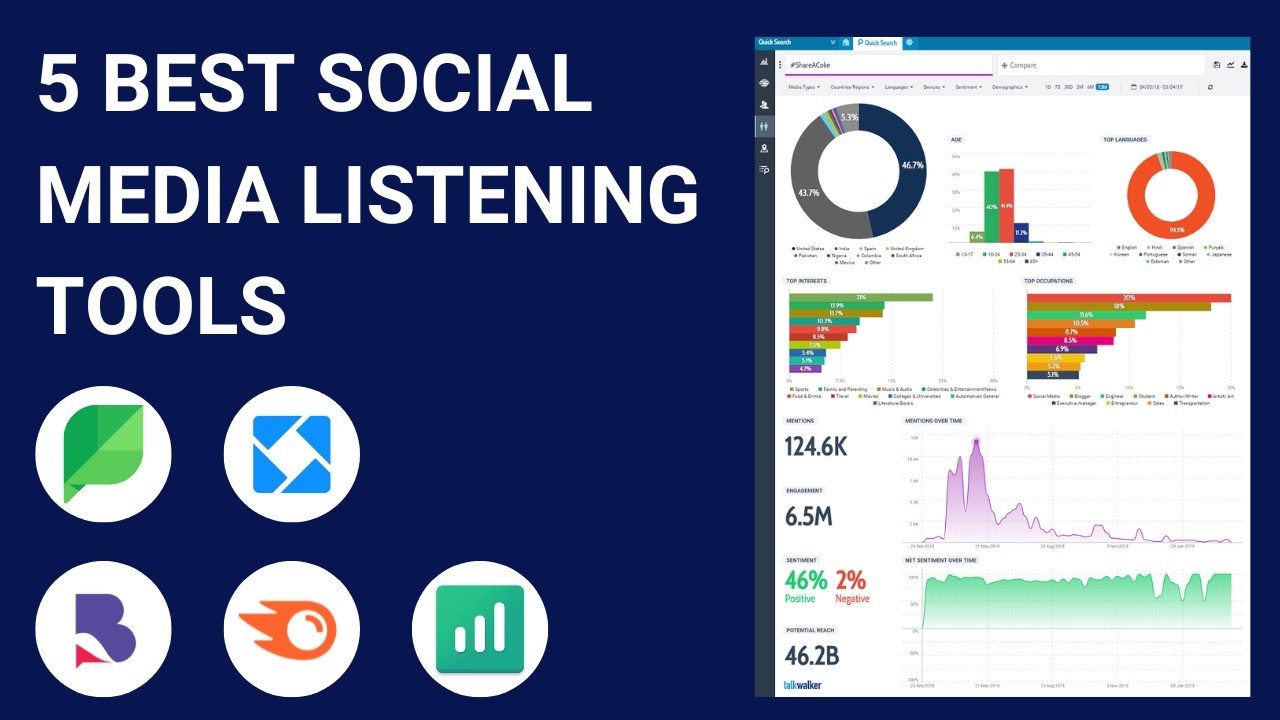
In the fast-paced world of digital marketing, understanding your audience is no longer optional. Brands that fail to listen risk missing critical insights that drive engagement and growth. Social listening tools enable businesses to monitor conversations across various social media platforms, providing real-time feedback on customer sentiment. These tools can detect emerging trends, measure brand reputation, and even uncover potential crises before they escalate. Companies that harness social listening effectively can craft campaigns that resonate deeply with their target demographic. The insights gained empower marketers to be proactive rather than reactive in their strategies.
Moreover, social listening is not limited to large enterprises; even small and mid-sized businesses can leverage these tools for competitive advantage. By analyzing mentions, hashtags, and industry-related discussions, brands gain a clearer understanding of customer preferences and pain points. Data collected from social channels can also guide content creation, helping marketers design messages that are timely and relevant. In addition, social listening provides a holistic view of the marketplace, offering insights into competitor strategies. With these insights, companies can allocate resources more efficiently and improve ROI on campaigns. Ultimately, integrating social listening into marketing operations is a strategic move that drives informed decision-making.
Key Features of Social Listening Tools
Modern social listening tools come equipped with a variety of powerful features. Sentiment analysis, for example, helps marketers understand whether online mentions are positive, negative, or neutral. This allows companies to gauge public perception and adjust messaging accordingly. Trend tracking identifies popular topics and emerging conversations that can be leveraged for timely campaigns. Another critical feature is competitive analysis, which helps brands benchmark against rivals and identify gaps or opportunities. Alerts and notifications keep teams informed of spikes in mentions or potential crises, enabling swift action.
Moreover, many platforms offer advanced analytics dashboards that visualize trends over time. These dashboards simplify complex data, making insights accessible for decision-makers at all levels. Keyword tracking allows brands to monitor specific phrases or hashtags associated with their industry. Influencer identification features can reveal individuals whose endorsement may significantly amplify a campaign. By integrating these features into marketing workflows, companies can make more informed choices in campaign planning. These tools essentially transform social chatter into strategic intelligence that drives business growth.
Integrating Social Listening into Marketing Strategy
To fully leverage social listening, it must be integrated seamlessly into overall marketing strategy. The insights gained should inform content creation, audience targeting, and campaign messaging. Brands can adjust their social media posts, email marketing, and even paid advertisements based on what resonates most with their audience. Additionally, social listening data can guide product launches or updates by highlighting unmet needs and customer feedback. Cross-functional collaboration is essential, as insights from social listening often inform customer service, PR, and sales teams. Integration ensures that every department is aligned and operating with a unified understanding of audience sentiment.
This strategic integration also allows for data-driven decision-making. Campaign budgets can be allocated more efficiently by focusing on channels and messages that yield the highest engagement. Marketers can identify content formats that perform best, whether videos, infographics, or blogs. It also supports agile marketing, enabling rapid response to trending topics or shifts in sentiment. Companies that treat social listening as a central component of their strategy often outperform competitors who rely solely on intuition. By embedding social insights into daily operations, brands foster more meaningful connections with their audience.
Benefits of Social Listening for Brands
One of the primary benefits of social listening is enhanced customer understanding. Brands gain insights into preferences, pain points, and expectations, allowing them to craft messaging that resonates. Social listening also facilitates proactive reputation management by identifying negative sentiment early. This reduces the risk of public relations crises and strengthens customer trust. Additionally, monitoring competitors’ online presence provides intelligence that can inform positioning and marketing tactics. Partnering with a Long Island SEO company can amplify these insights, ensuring that social strategies are closely aligned with search performance and digital visibility.
Another significant benefit is the ability to measure campaign effectiveness more accurately. Metrics like engagement rate, sentiment shift, and share of voice provide quantifiable insights into marketing performance. Social listening also helps brands discover influencers whose endorsement can amplify reach and credibility. It uncovers trends that may not yet be mainstream, allowing brands to act first and gain an advantage. Furthermore, the data gathered can inform product development, customer service improvements, and innovation initiatives. By translating online conversations into strategic action, companies strengthen both brand loyalty and market relevance.
Selecting the Right Social Listening Tool
Choosing the right social listening tool is critical for deriving maximum value. Marketers should evaluate platforms based on features, usability, and integration capabilities. Platforms that offer comprehensive analytics, sentiment tracking, and influencer identification tend to provide the most actionable insights. Additionally, cost, scalability, and customer support are important considerations, especially for growing businesses. Many digital marketing companies in New York assist brands in evaluating tools and ensuring they integrate seamlessly into broader marketing operations. Selecting the right tool ensures that social listening becomes a sustainable, long-term advantage.
It’s also important to consider the compatibility of the tool with existing marketing platforms. Integration with CRM systems, email marketing software, and social media management tools enhances workflow efficiency. User-friendly interfaces encourage adoption among team members and reduce the learning curve. Access to real-time data and customizable reports ensures that insights remain actionable. Companies should also look for vendors with strong support resources to address any challenges promptly. Ultimately, investing in the right social listening tool equips marketers with intelligence that shapes smarter campaigns and drives measurable growth.
Leveraging Social Listening for Campaign Optimization
Social listening insights should be applied directly to campaign optimization. Data on audience sentiment, trending topics, and engagement patterns allows marketers to refine messaging for maximum impact. Campaigns can be adjusted mid-flight based on performance metrics and real-time feedback. Social listening also enables A/B testing, ensuring that content resonates with different segments. Engaging with a NYC digital marketing agency can help brands implement these insights efficiently across platforms, ensuring campaigns are timely and relevant. Optimized campaigns result in higher engagement, increased conversions, and stronger brand loyalty.
Furthermore, continuous monitoring allows marketers to stay agile and responsive. If negative sentiment arises, messaging can be recalibrated before it escalates into a larger issue. Positive trends can be amplified to maximize reach and engagement. Insights also inform cross-channel strategies, ensuring consistency across social media, email, and paid campaigns. By leveraging social listening, marketers are empowered to make informed adjustments quickly. This iterative approach fosters campaigns that evolve with audience needs and market dynamics, driving sustained success.
To Sum Up
Social listening has become an essential component of modern marketing, providing insights that drive more effective campaigns. By analyzing online conversations, brands can understand customer sentiment, anticipate trends, and identify opportunities for engagement. The integration of these insights into marketing strategies allows businesses to make data-driven decisions that resonate with their audience. Social listening also supports reputation management, helping companies mitigate risks and strengthen customer trust. Businesses that embrace these tools are better positioned to outperform competitors and maintain relevance in a fast-changing digital landscape. It transforms raw data into actionable intelligence that powers informed marketing decisions.
As marketing becomes increasingly data-driven, the importance of social listening will only grow. Companies that fail to adopt these practices risk being left behind as more agile competitors leverage insights for smarter campaigns. By combining technology with strategic expertise, brands can optimize messaging, improve engagement, and increase ROI. Social listening empowers marketers to be proactive, agile, and informed in every campaign. Ultimately, brands that harness these insights cultivate stronger relationships with their customers and secure long-term growth. Integrating social listening into marketing operations is no longer optional but a critical step toward sustainable success.