
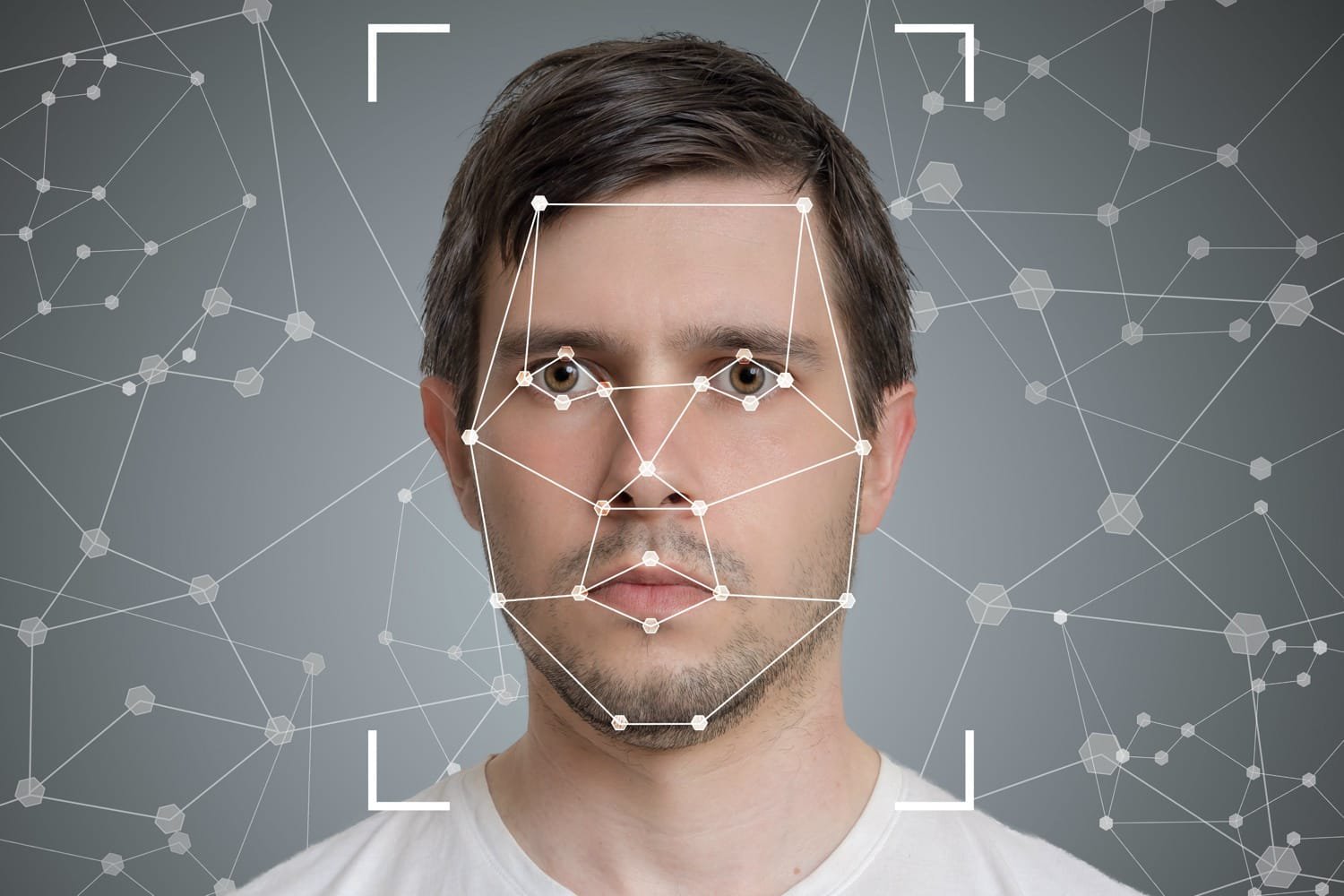
Facial recognition has become a part of modern technology to ease, secure, and enhance user experience. If the application of facial recognition is brilliant, it would be in devices like the iPad that rely on highly advanced AI for powering facial recognition. In this article, we are going to discuss the technology behind facial recognition, how it has been implemented in iPads, and how AI drives success.
Introduction to AI and Facial Recognition
AI faces are used in facial recognition to identify and authenticate any person using unique facial features. It is amongst the most advanced technologies ever conceived, and it is mainly used in smartphones, iPads, and many other security systems. The company has made tremendous gains with Face ID, hence having a secure yet smooth way of facial recognition. iPad has facial recognition? Apples believe in bringing some AI-based solutions that remain convenient yet secure for their users.
How Facial Recognition Works on iPad
Do any iPads have facial recognition? This recognition process depends on a highly synergistic hardware and software interplay in the iPad. The process begins once the device detects a face in its camera view. By utilizing an array of sensors that includes infrared cameras and dot projectors, the iPad is able to create an extremely detailed 3D map of the user’s face.
The comparison is then made with the data in the machine learning algorithm, which will determine if it matches the registered user’s face. AI ensures the accuracy and efficiency of the process, even in cases where there are variations in lighting conditions or minor changes in appearance. Facial recognition technology for iPads is a major step forward in terms of user authentication, making the technology easy to use but robustly secure.
The AI Advantage: Increasing Accuracy and Reliability
At the heart of this facial recognition system lies AI that will enable it to achieve accuracy and reliability beyond comparison. The interpretation and analysis of the facial data by advanced neural networks are unprecedentedly accurate in distinguishing between users, who are even similar in looks.
For example, AI can recognize your face even in dimmest light or partially obscured through glasses or facial hair. With such reliability, facial recognition offers a trusted way of unlocking devices, making payments, or securing sensitive data.
How AI powers this feature but continues improving through machine learning: Answer to the question, Do iPads have facial recognition?
3D Face Mapping: The Innovation of AI
The most innovative aspect of the facial recognition technology in iPads is 3D face mapping. This is unlike the traditional 2D image-based recognition which it uses infrared light and dot projection to create a very detailed representation of the user’s face.
This technology ensures that the system identifies a real face and keeps away any spoofing attempt, from photographs to even masks. AI analysis of this 3D data optimizes both accuracy and security as one of the most advanced implementations in the industry.
Safety at Its Core: Defending User Data
The iPad takes great consideration towards the security of a user via facial recognition technology. Apple-driven AI encryption on a device via its secure enclave ensures the storage of facial data. Hence, this information will leave the device itself and shall not be able to appear in external systems.
AI also supports anti-spoofing through live facial movements that facilitate thwarting unauthorized entry. This further indicates an orientation of Apple toward both privacy and a smooth experience for the user.
Adapting through AI: Evolution of appearance
One common challenge in facial recognition is its adaptability during changes in appearance. But AI overcomes this by updating itself from continuous interactions.
For instance, if a user grows a beard, puts on glasses, or changes his hairstyle, the AI system updates its understanding of that user’s facial structure. This adaptability ensures that facial recognition remains reliable over time, offering both convenience and security.
In answering the question, What is facial recognition technology?, we can see that it is not just a static process but a dynamic and evolving capability powered by AI.
Daily activities are much faster and safer when using facial recognition technology. In an iPad, the technology enables unlocking the iPad, using Apple Pay, and authenticating applications on the locked device.
Facial Recognition in Everyday Use
Facial recognition is integrated into AR apps too. Real-time facial tracking makes an app develop interactive functionalities like emoji animation or virtual try-on.
All these applications become more accurate, responsive, and in turn, enjoyable to the user as a result of the integrations with AI.
Anti-Spoofing Measures Using AI
As facial recognition sweeps its way across the face, the world also finds avenues through which it can cheat upon. That is when AI plays its most fundamental role in prevention. Here AI distinguishes between real-face detection and spoofing of that face through minor cues of depth, texture, movement.
For instance, applications with an iPad can identify the nature of an image or video used to recreate an individual’s face. That way, facial recognition always stays safe and secure as much as possible even considering highly advanced hacking attempts.
Achieving Convenience and Privacy Harmony
Facial recognition on iPads balances convenience and privacy. Although the technology enables ease of access and as well security, it enables a person to maintain control over information.
This is a privacy approach where the data of facial recognition will be kept locally on the device. Such data will not be shared with third parties, nor will it be kept in the cloud. This type of approach underlines protection for user information while still delivering a feature that improves the overall user experience.
Future of AI in iPad Technology
Moving forward, the inclusion of AI will be the most critical innovative aspect of this iPad technology. Better facial recognition, improved AR features and greater utility for authentication will mark significant future developments.
As AI progresses, its ability to make devices more intelligent, secure, and easier to use will too. Facial recognition technology might likely remain at the center of such developments- a future presentation of what the potential AI has to change the way we relate with our devices.
Conclusion: AI-Powered User Experience
Facial recognition technology on iPads is a perfect synergy of both AI and user-centric design. Leverage AI to be able to make a system wherein it is not only secured but also adaptive and easy to use. Among others, 3D face mapping and anti-spoofing measures are some of the things AI enables in making iPads smooth and reliable.
All of whom asked, Do iPads have facial recognition? The answer is not as simple as a yes but shows how AI can take facial recognition as an enhancement for security and usability, which is the new norm for authenticating devices. With this advancement in AI, one would consider limitless potentiality towards an even more secure and intuitive future with regard to innovation for facial recognition technology.