

The backbone of our healthcare system isn’t found in high-tech equipment or innovative treatments – it’s in the dedicated professionals who work tirelessly at patients’ bedsides. Nurses form the essential foundation of healthcare delivery, with their impact extending far beyond basic medical tasks.

According to a recent study, hospitals that implement formal nurse recognition programs see up to a 20% increase in patient satisfaction scores, directly linking nurse gratitude to improved outcomes.
The connection between nursing excellence and patient care quality isn’t just intuitive – it’s proven. Yet despite their critical contributions, nurses often work without receiving the recognition they deserve, making nurse appreciation more vital than ever to sustain our healthcare infrastructure.
The Critical Impact of Nursing Excellence on Healthcare Outcomes
The relationship between quality nursing and patient outcomes isn’t just correlation – it’s causation. When we invest in supporting and recognizing our nursing workforce, patients directly benefit in measurable ways.
Evidence-Based Connection to Patient Recovery
Studies have shown time without number that good environments for nursing excellence equate to fewer deaths recorded, fewer cases of hospital-acquired infections, and shorter hospital admissions. Patients under the care of supported, known nurses have minimal complications during recovery.
Beyond nurse appreciation month, ongoing recognition programs create sustainable excellence in nursing practice year-round. These continuous acknowledgment efforts contribute to nurses feeling valued, which translates to enhanced patient interactions and more attentive care.
Quantifiable Improvements Through Quality Nursing
Facilities with high nurse satisfaction scores report significantly better patient outcomes. Studies show that units with engaged nurses see fewer medication errors and higher patient compliance with treatment plans.
When nurses receive regular healthcare recognition, they demonstrate more initiative in patient advocacy and individualized care planning. This proactive approach leads to earlier intervention for potential complications.
System-Wide Influence of Exceptional Nursing
The impact of nurse gratitude extends throughout entire healthcare organizations, creating positive ripple effects.
Administrative teams report smoother operations when nursing staff feel appreciated. Their accumulated expertise helps streamline processes and improve interdepartmental communication, benefiting the whole system.
The culture of excellence created through consistent nurse recognition elevates standards across all departments. When we acknowledge nursing contributions, we establish a foundation for advancing healthcare quality throughout the organization.
Understanding the Modern Nursing Landscape
Today’s nurses face unprecedented challenges that make recognition and support more crucial than ever. The complex realities of modern healthcare demand resilience from nursing professionals who often work under difficult conditions.
Current Pressures in Nursing Practice
Staffing shortages have created unsustainable nurse-to-patient ratios in many facilities. The resulting workload compounds stress and increases the risk of burnout among nursing professionals.
Patient care quality remains the priority for nurses despite these challenging conditions. Their commitment to maintaining standards despite resource limitations demonstrates remarkable dedication to their profession.
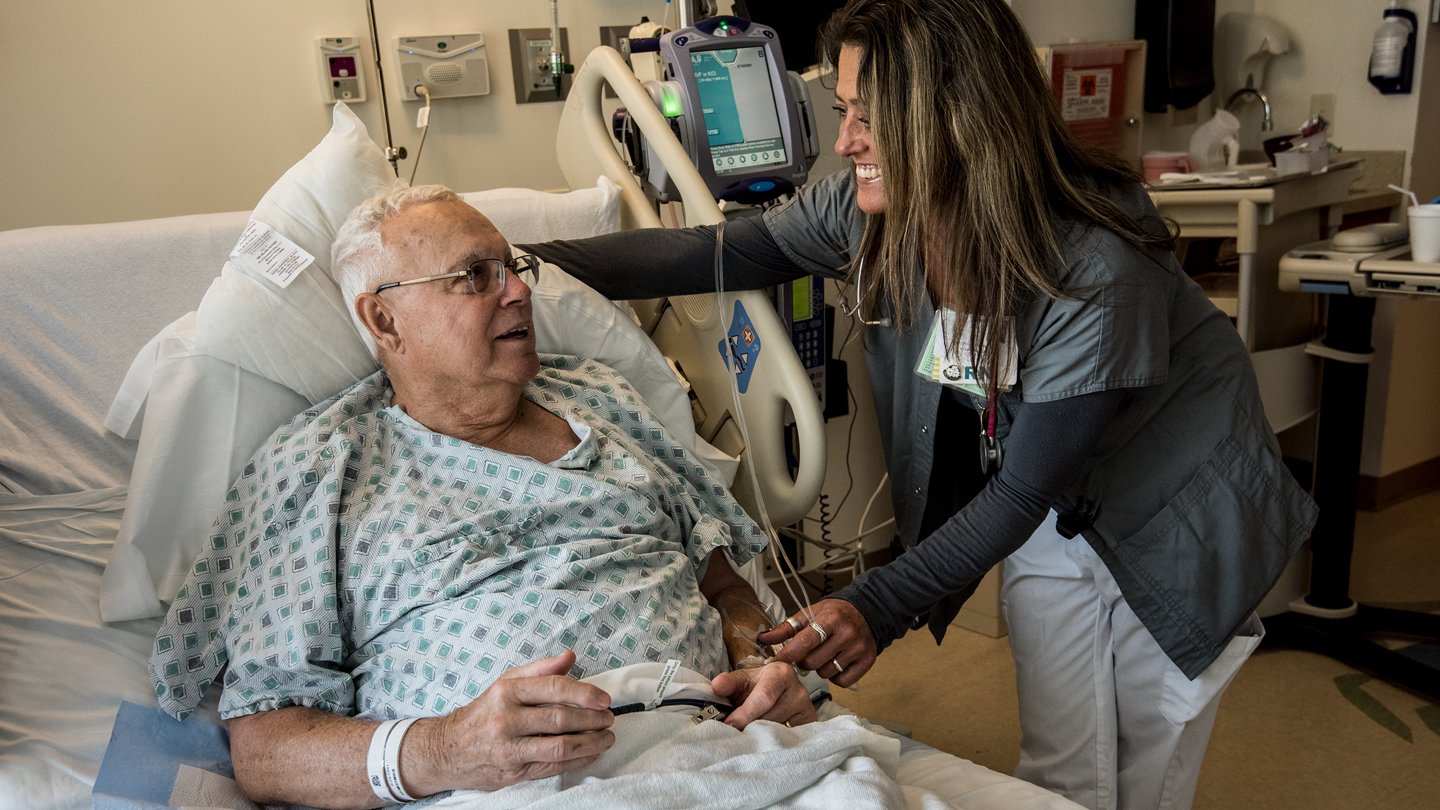
The Emotional Toll of Compassionate Care
Nurses experience significant compassion fatigue from continuous emotional investment in patient outcomes. This psychological burden rarely receives adequate acknowledgment in discussions about nursing challenges.
The emotional labor required for patient care often goes unrecognized but constitutes a substantial part of the nursing role. Providing compassion while maintaining professional boundaries requires sophisticated emotional regulation skills.
Post-Pandemic Realities for Nursing Staff
The COVID-19 pandemic created unprecedented stressors that continue to affect nursing practice today. Many nurses still carry trauma from those experiences while continuing to deliver exceptional care.
The profession has diversified itself with new infection control protocols and forms of adaptations for a future crisis responder. These changes indicate the nursing excellence even in the worst of situations.
Today’s recognition movement needs to take into consideration that not all work done by nurses is visible and not accomplished in a tangible format. It is an establishment of such issues that makes substantial nursing appreciation no longer a nicety but a requirement to maintaining quality healthcare.
The Science Behind Gratitude in Healthcare Settings
Recognition isn’t just about saying “thank you” – it’s a scientifically validated approach to improving performance and well-being. The psychology of gratitude reveals why nurse appreciation generates measurable benefits.
Psychological Benefits of Recognition Programs
When nurses are genuinely acknowledged, the brain has a response in the form of increased dopamine and serotonin. These neurochemical changes act head-on against stress hormones and cause resistance to burnout.
Studies show that healthcare recognition activates reward pathways similar to those triggered by monetary compensation. This explains why meaningful appreciation can sometimes be more motivating than financial incentives alone.
Measurable Performance Improvements
Recognized teams demonstrate stronger collaboration and problem-solving abilities. The trust built through appreciation creates psychological safety that enables innovation and communication.
Departments with robust nurse gratitude programs report fewer errors and increased compliance with best practices. This improvement stems from heightened engagement and attention to detail that accompany feeling valued.
Economic Value of Nurse Appreciation
Healthcare facilities investing in recognition see substantial returns through reduced turnover costs. Replacing a single experienced nurse can cost between $40,000-$60,000, making retention through appreciation financially prudent.
The institutional knowledge preserved through successful retention creates economic value beyond direct replacement costs. Nursing excellence accumulates with experience, making veteran nurses invaluable assets worth protecting through meaningful recognition.
Recognition programs represent one of the highest-ROI investments available to healthcare organizations. The multifaceted benefits extend from individual well-being to organizational performance and financial sustainability.
Innovative Approaches to Meaningful Recognition
Conventional “thank you” cards and annual merriments have their roles to play, but contemporary health organizations are now creating more sophisticated appreciation approaches that respond to the real needs and velleities of nurses.
Structural Support Systems That Demonstrate Value
Forward-thinking facilities are implementing staffing policies that prioritize nurse wellbeing. Reasonable patient assignments and adequate support staff represent tangible forms of nurse appreciation that improve daily work experiences.
Investment in continuing education opportunities signals respect for nurses’ professional development. Providing time and funding for advanced certifications acknowledges nurses’ commitment to nursing excellence.
Technology-Enhanced Recognition Platforms
Digital recognition tools allow for real-time acknowledgment of exceptional patient care. These platforms enable peers, leaders, and patients to share specific feedback about nursing contributions.
AI-powered systems analyze patterns in recognition data to identify when staff may need additional support. This proactive approach helps prevent burnout before traditional warning signs become apparent.
Personalized Appreciation Approaches
Recognition programs tailored to individual preferences demonstrate thoughtful healthcare recognition. Some nurses value public acknowledgment while others appreciate private messages or tangible tokens.
Many facilities now create recognition committees that include nursing representatives from diverse specialties and experience levels. This collaborative approach ensures that appreciation efforts remain relevant and meaningful to frontline staff.
Effective recognition combines both consistent everyday acknowledgment and special occasion celebrations. This balanced approach reinforces that nurse contributions matter every day, not just during designated appreciation periods.
Creating a Culture that Sustains Nursing Excellence
Effective nurse appreciation should transcend individual moves and embrace an organization supportive culture to form an imprint. Leadership takes the center stage – when the executive leaders are on the front lines with recognition initiatives, it is a demonstration of nursing as key to the organization’s purpose.
When nurse managers feel appreciated, they are likely to pay back by recognizing their teams, which then creates the positive ripple effect. Patient-centered validations, such as testimonials and community engagement provide real validation that links nurses to their effect.
By tracking appreciation with metrics such as patient satisfaction, retention rates, and safety outcomes, qualitative stories are also guaranteed to report deliverability. Eventually, when appreciation is incorporated in the day-to-day activities, it transcends into an enduring cultural value, instilling healthier morale, resilience, and follow-through among nursing teams.
Final Thoughts
The link between the appreciation of nurses and the quality of healthcare is not just a theoretical thing – it has a reality in better patient outcomes, better performance of the organization, and the continuity of nursing excellence. Through investing in real recognition programs, health care organizations invest in their most valuable asset: their nursing workforce.
As patients, families, and healthcare leaders, we are all stakeholders in recognizing the great things nurses do every day. By keeping up with healthcare recognition and sincere gratitude from the nurses, we drive the passion for delivering superior patient care. The gratitude that we show today is creating an environment for the quality care that will be rendered to us tomorrow.
FAQs
What specific behaviors demonstrate nursing excellence?
Through effective communication, real empathy, and commitment to continuous education, nurses remain the best professional behaviours in the field of nursing and sustain the highest standards of nursing.
What messages best convey appreciation to nursing staff?
You are not just a nurse, you are a blessing for many people. Thanks for taking the extra mile to make us feel valued and backed up. Your kindness and promptness are all the difference. “Thank you for the strength and compassion you always had in the face of adversities.”
How do nurses positively impact patient outcomes?
Nurses play a crucial role in affecting positive patient outcomes. They can influence whether a patient feels respected and cared for during treatment. Nurses also excel in practicing patient empathy and attending to patients’ physical needs without compromising emotional support.