
Introduction
In the digital-first era, data is no longer a static asset—it’s a living stream that powers modern decision-making. Traditional batch processing methods, where organizations collected and processed data periodically, are quickly being replaced by real-time data pipelines. By 2025, real-time data engineering services will be the backbone of industries that thrive on instant insights—finance, e-commerce, healthcare, logistics, and beyond.
This blog explores why real-time data pipelines are reshaping the future of data engineering services, the technologies driving this transformation, real-world applications, and how businesses can adopt them effectively.
Why Real-Time Data Matters
Imagine being a financial trader relying on data that’s a few hours old. By the time the system updates, millions could be lost. Or consider an e-commerce giant like Amazon—if customer inventory isn’t updated instantly, users may order out-of-stock items, leading to poor customer experiences.
This is where real-time data engineering services step in. They allow organizations to:
- React instantly to changes in data.
- Personalize customer experiences in real time.
- Detect anomalies or fraud as they happen.
- Enable predictive actions, not just reactive ones.
What Are Real-Time Data Pipelines?
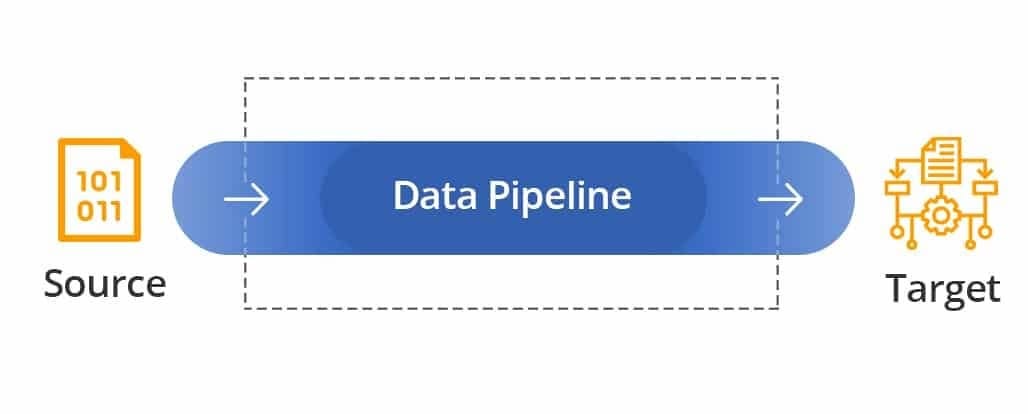
A real-time data pipeline is a system that ingests, processes, transforms, and delivers data as soon as it’s generated. Unlike traditional batch pipelines, which collect data and process it later, real-time pipelines provide continuous and near-instant insights.
Key stages of a real-time pipeline include:
- Ingestion – Capturing data from multiple sources (IoT sensors, apps, logs, transactions).
- Processing – Applying transformations, filtering, and aggregations instantly.
- Storage – Sending processed data to data lakes, lakehouses, or warehouses.
- Serving – Delivering insights to applications, dashboards, or ML models.
Technologies Powering Real-Time Data Engineering
1. Apache Kafka
Kafka is the gold standard for streaming data. It handles millions of events per second and enables fault-tolerant, scalable real-time data pipelines.
Example: Netflix uses Kafka to deliver personalized recommendations in real time.
2. Apache Flink & Spark Structured Streaming
These tools allow advanced stream processing, including windowing, joins, and event-time handling.
Example: Uber uses Flink for calculating surge pricing in real time.
3. Data Lakehouses (Delta Lake, Apache Iceberg, Hudi)
Lakehouses combine the scalability of lakes with the reliability of warehouses, enabling real-time analytics at scale.
4. Cloud Platforms (AWS Kinesis, Azure Event Hubs, GCP Pub/Sub)
Cloud providers now offer fully managed real-time data streaming and analytics services, making adoption faster for businesses.
Real-World Use Cases
1. Finance – Fraud Detection
Banks and fintech companies use real-time pipelines to detect unusual spending patterns. If someone swipes a credit card in New York and, within minutes, it’s used in London, real-time data triggers alerts instantly.
2. E-commerce – Personalization Engines
Retail giants use real-time customer clickstream data to recommend products as users browse. Amazon, Flipkart, and Walmart rely heavily on these pipelines.
3. Healthcare – Patient Monitoring
IoT-enabled devices in hospitals send live patient data (heart rate, oxygen levels, glucose readings). Real-time pipelines ensure doctors are alerted if anomalies are detected.
4. Logistics – Supply Chain Optimization
Companies like FedEx and DHL process millions of package scans in real time to update delivery statuses and reroute shipments based on traffic or weather.
5. Streaming Services – Content Recommendations
Netflix and Spotify continuously analyze user behavior to suggest shows, music, or podcasts, keeping engagement high.
Business Persona: Who Needs Real-Time Data Pipelines?
Persona 1: CIO of a Retail Company
Pain Point: Customers abandoning carts because of outdated stock information.
Solution: A real-time data pipeline updates inventory and ensures accurate product availability.
Persona 2: CTO of a Fintech Startup
Pain Point: High risk of fraud with delayed detection.
Solution: Implementing Kafka and Flink to process transaction data in real time and flag anomalies.
Persona 3: Healthcare Administrator
Pain Point: Delay in patient monitoring due to manual data collection.
Solution: IoT devices + real-time pipelines that trigger alerts and save lives.
Benefits of Real-Time Data Engineering Services
- Instant Decision-Making – Businesses act on live data rather than waiting hours or days.
- Competitive Advantage – Faster response to market shifts and customer demands.
- Improved Customer Experience – Hyper-personalized and seamless user journeys.
- Operational Efficiency – Reduced downtime, optimized resources, and better risk management.
Challenges in Implementing Real-Time Pipelines
While the benefits are immense, organizations must address challenges:
- Cost & Complexity – Real-time systems are resource-intensive.
- Data Quality Issues – Garbage in, garbage out; real-time doesn’t fix bad data.
- Scalability – Handling millions of events requires robust infrastructure.
- Talent Gap – Skilled data engineers with expertise in Kafka, Flink, or Spark are in short supply.
The Future: Real-Time + AI
By 2025 and beyond, the fusion of real-time data pipelines with AI/ML models will redefine industries. Instead of just monitoring data, systems will predict and act:
- Retail – AI-driven dynamic pricing in real time.
- Healthcare – Predictive alerts before a patient’s condition worsens.
- Banking – Preemptive fraud prevention with anomaly detection models.
Real-time pipelines will evolve from reactive systems to proactive intelligence engines.
How to Get Started with Real-Time Data Pipelines
- Assess Business Needs – Identify processes that demand instant data.
- Choose the Right Tools – Kafka for ingestion, Flink for processing, Delta Lake for storage.
- Adopt a Cloud-Native Approach – Use AWS Kinesis, Azure Event Hubs, or GCP Pub/Sub for scalability.
- Ensure Governance & Security – Build with compliance frameworks in mind (GDPR, HIPAA).
- Hire or Upskill Data Engineers – Skilled teams are key to successful implementation.
Conclusion
As businesses step into 2025, real-time data pipelines are no longer optional—they’re essential. Organizations that embrace real-time data engineering services will gain the agility, foresight, and competitive edge to thrive in a fast-paced, data-driven world.
From fraud detection in finance to personalized shopping in retail and life-saving alerts in healthcare, the impact of real-time data pipelines is universal and transformative.