
Let’s be honest, auditing content is a grind. You spend hours fixing structure, rephrasing sentences, and adding Schema tags. It’s necessary, sure, but what if you could bypass most of that clean-up? What if your content emerged from the drafting tool already optimised?
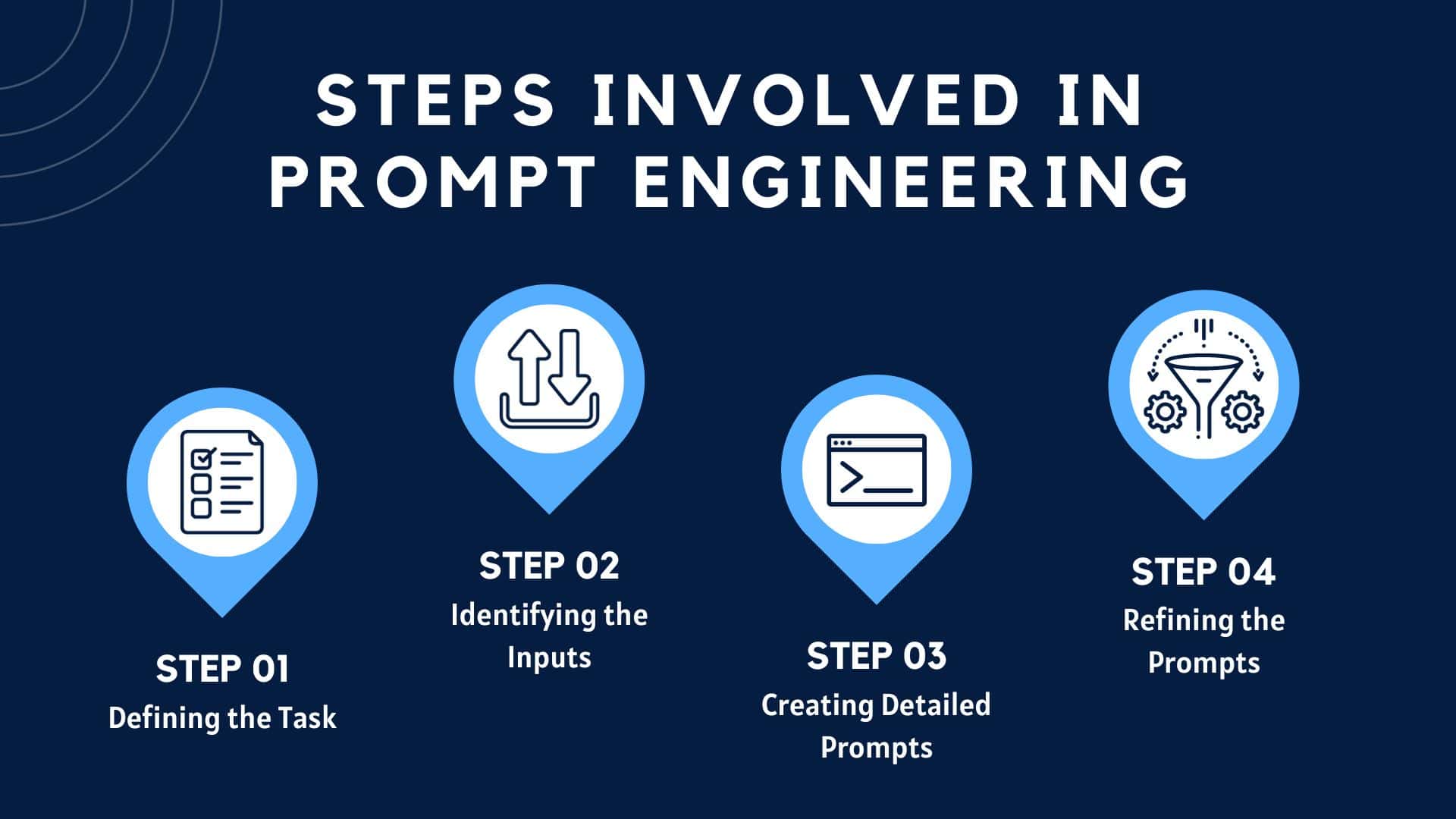
That’s the core idea behind Prompt Engineering for Content Creation. It’s the ultimate meta-strategy for AI Seo Services inculpated with GEO (Generative Engine Optimisation). We’re not using Large Language Models (LLMs) just to write; we’re using them as precision tools.
This strategy changes everything. You stop fixing flawed content and start preventing the flaws entirely.
Phase 1: Structuring the Output for Citation Compliance
Generative engines are lazy, or maybe just efficient. They want modular, predictable content for quick extraction. You need to force your LLM to deliver exactly that.
1. The “Answer-First” Mandate
This is the biggest failure point for AI-generated drafts. They start with a three-paragraph flowery intro. We can’t have that! That delays the core answer, making the content instantly fail a GEO review.
- Prompt Directive: You must be absolutely ruthless here. Command the LLM to structure content with headings that are direct questions, followed immediately by the answer. No setup.
- The Command: “For every H2 and H3, phrase the title as a natural user question. The first sentence beneath that heading must be the direct, definitive answer, and it can’t be longer than 30 words. Seriously, keep it tight.”
- Why It Works: The LLM’s output becomes a perfect series of citable snippets. It’s pre-optimised for instant extraction into an AI summary, which is a massive boost to your AI visibility.
2. Schema-Ready Modular Blocks
Citation confidence is based on structural predictability. A human might mix a list into a paragraph, but an AI wants things clean. Your prompt needs to enforce this.
- Prompt Directive: Instruct the LLM to strictly use structured formats for specific information.
- The Command: “If you describe a process, use a strict numbered list with bolded action verbs (like HowTo Schema). If you present stats or takeaways, use a clean, unordered list. No exceptions on using these formats.”
- The Benefit: This automatically produces text that’s easy to tag with FAQPage or HowTo Schema later. It streamlines the technical implementation for the people who actually implement the code.
Phase 2: Injecting Authority and Stopping the Generic Drone
AI models crave uniqueness and authority. Your prompt has to force the inclusion of your proprietary data and a distinct, non-robotic voice.
1. Proprietary Data Injection
An LLM cannot cite your internal research unless you give it the facts. To make the content unique and citable, you inject your proprietary data right into the prompt.
- Prompt Directive: Start with a “Fact Reference Block” and then make using it non-optional.
- The Block: “REFERENCE FACTS: [Use these specific statistics: Our Q4 DualRank audit showed a 60% increase in AI citations for B2B clients. Our proprietary audit process has three phases: Entity, Technical, and Competitive.]”
- Required Output: “Integrate all of the three REFERENCE FACTS into the article body, using the figures and terminology exactly as written, to instantly establish verifiable E-E-A-T.”
- The Result: The content is no longer commodity junk. It contains facts unique to your company, which skyrockets its citation-worthiness.
2. Tone and Anti-AI Detection Directives
This is the secret sauce for beating the detection score. You must mandate specific stylistic flaws that signal “human.”
- Prompt Directive: Force the LLM to adopt a conversational, unpredictable tone.
- The Command: “Write in a highly conversational, active voice. Use contractions frequently. Don’t worry about perfect flow; use a wild mix of sentence lengths, including occasional, short fragments for punchy emphasis. Absolutely ban passive voice and tired phrases like ‘In conclusion’ or ‘Furthermore.'”
- The Outcome: The final draft will possess that essential, uneven, human rhythm that automated content flags struggle to identify as predictable.
Phase 3: The Prompt Engineering Checklist (The Envigo Approach)
To truly make this work, you need a reusable, master prompt template. Every piece of content should pass through this checklist before the LLM even starts generating.
The experts know this is the way forward. The AI SEO agency like Envigo, for example, built its DualRank methodology on this very idea. They found that manual optimisation is just too slow. Their process starts with a custom-engineered master prompt that simultaneously bakes in SEO signals (topic depth) and GEO signals (answer-first structure, citation compliance).
This meta-strategy saves hours on Q/A, increases deployment speed, and, most importantly, secures a structural competitive advantage that begins before the first word is typed. Prompt Engineering for Content Creation isn’t just about speed; it’s about building in the authority that AI demands.