
The internet is growing rapidly, adapting and taking on new forms with every passing era. Recently, its design reflects a push towards user autonomy, transparency, and control.
As we shift into the age of Web3, we shouldn’t just anticipate new features, but also a change in how individuals participate in the digital world with more power granted to them than ever before.
Let’s look at how digital assets like cryptocurrency and NFTs are shaping the future of the Web3 internet.
Understanding Web3
Did you know that there have been multiple versions of the internet? Three to be precise. If you are reading this in 2024, you’re most likely seeing this on the second version of the internet called Web 2.0, otherwise known as the social web. This version of the web evolved from the early Web 1.0, which was prominent in the 90s. In the early 1990s, the web was primarily used to store and search for information (which was groundbreaking at the time) but as more people got access to computers and the internet, Web 2.0 was born.
Around 2004, the social web emerged, bringing with it social media applications and systems that allow users of the internet to consume, create, and share information and content. Similar to what you do every day. People can now create things online and interact with one another. This version of the web is largely owned and controlled by big centralized corporations; they control the data that you generate.
We’re still in the early stages of Web 3.0, which means that its exact users and distinguishing factors are still being figured out, but some unique features are already apparent. Most notably, it runs on a decentralized system, which lets you own your own information. It is also highly secure and allows for safe financial transactions, which is evident with the growing rate of crypto trading platforms and Defi (Decentralized Finance) technologies, just to name a few.
A Decentralized Internet
Web3 is built on a big idea: decentralization, meaning that no one person, company, or corporation controls the entire system. With a decentralized internet, your data and actions are not managed by a few big companies, but are spread across many independent networks, you being one of those networks.
The technology that makes this possible is called the blockchain. In simple terms, the blockchain is like a permanent diary that keeps an unchangeable and transparent record of transactions among computers to build trust among its users.

The Catalysts of Web3
As this next era of the internet is slowly adopted, two main pillars are already present: NFTs and cryptocurrencies. Together, these digital assets are accelerating the acceptance and growth of Web 3.0 and are shaping the perception of digital ownership and finance. Let’s explore them.
Cryptocurrencies
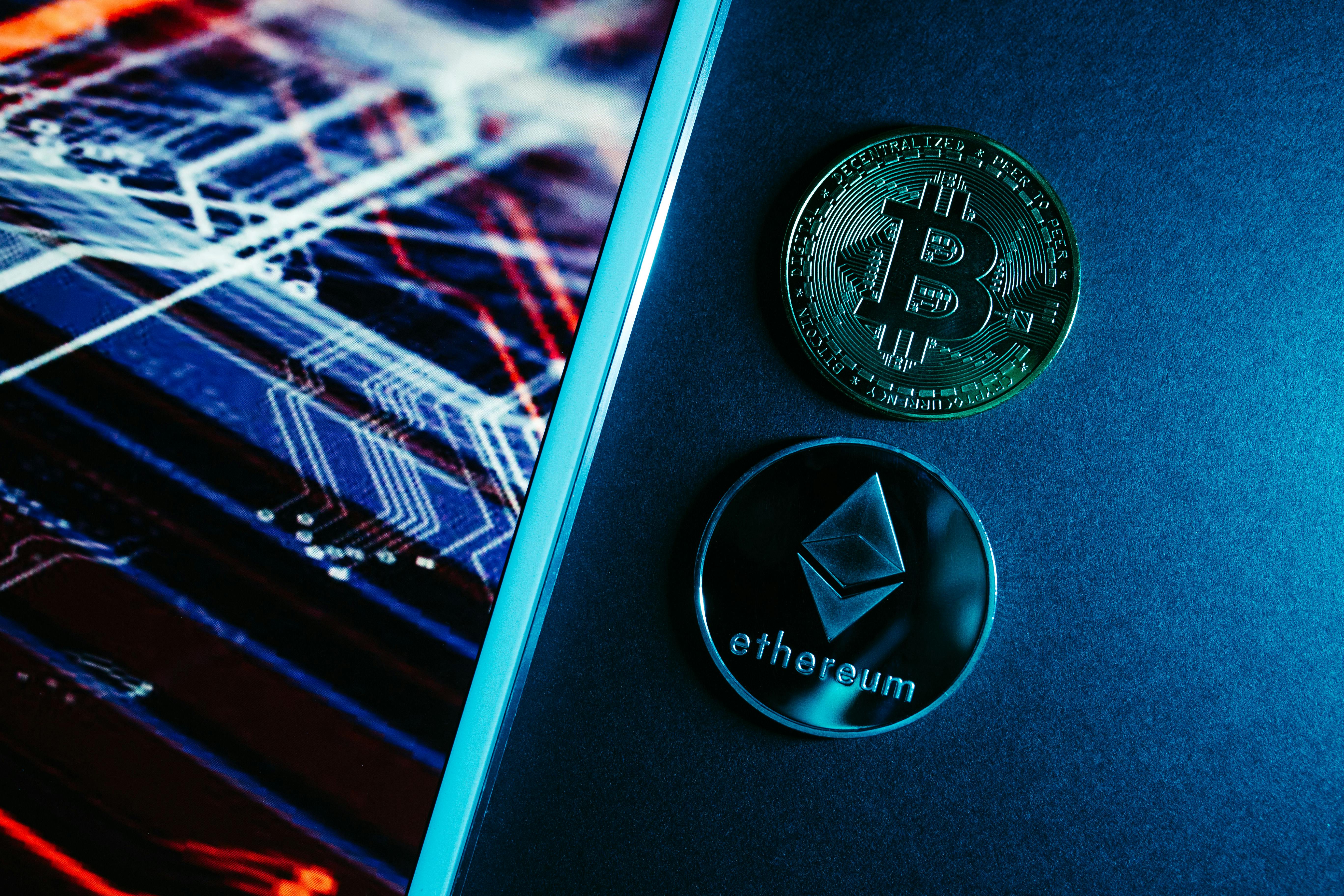
In 2008, the first digital currency/cryptocurrency was launched. And in a few years, it became the first successful financial digital asset to be launched on blockchain technology. Bitcoin was introduced to an unsuspecting world as a new way to store and transfer value without the hassle of a central financial system. Since then, it has offered an alternative to traditional fiat and boasted of a decentralized system powered by secure blockchain technology. Today, cryptocurrencies have become mainstream and have found a place in the global finance stage, with 1 bitcoin currently trading at 76,344.87USD (November 9, 2024)
Since Bitcoin’s introduction, more than 13,000 cryptocurrencies have been developed (as of March 2024). Some have become a huge part of the global finance market; several cryptocurrencies are trading at amounts well above any single FX pair. With the presence of social media and crypto trading platforms, their influence has grown significantly. This is not only making finance more accessible, it’s also giving people more control over their money and helping to shape a global economy without the restrictions of traditional financial systems.
Cryptocurrencies have now solidified themselves as the financial backbone of an emerging Web3, promising a decentralized economy where users can trade and earn digital currency, and enable direct, borderless transactions often used in decentralized finance (DeFi) applications, which allows users to lend, borrow, and earn interest on their assets through smart contracts.
NFTs
Non-fungible tokens, or NFTs for short, are different from any form of digital assets, even cryptocurrencies. What makes them so special? Unlike traditional fiat or crypto, each NFT is one of a kind and cannot be exchanged on a one-to-one basis.
In the Web3 ecosystem, NFTs are “interoperable” – they can be bought, sold, and even used across different platforms – however, they cannot be replicated because each asset comes with a unique code or token. The blockchain ensures that the ownership and details of every NFT are stored securely, preventing duplicates and fraud. For example, a piece of digital art or a collectible (let’s say, a card) can be purchased on one platform, can be transferred and displayed on another, but cannot be replicated, increasing its value and utility for the owner.
NFTs can be anything from digital arts and music to personal data and even virtual real estate; the list is endless. An emerging Web3 world has NFTs to thank for introducing virtual properties and the metaverse into the conversation of the Web, which has accrued much interest among new adopters.
The Future of Web3
It is important to note that these are still the early stages of Web3, but it’s undeniable that it’s growing at an extraordinary rate. The latest market valuation puts Web3 north of $25 billion with an expected 50% growth every year until 2030. In about five years from now, we can expect even more decentralized applications, safer financial options, greater levels of privacy, and tools that allow for faster and safer digital transactions. These changes could help create a fair internet that prioritizes the rights and ownership of its users.
Conclusion
NFTs and cryptocurrencies are key to making Web3 possible. They have demonstrated that real control over digital assets and finances is possible. By enabling true ownership, creative freedom, and decentralized transactions, these technologies are shaping a more open and user-focused Internet. As they continue to grow, NFTs and crypto are helping Web3 become a space where users, not companies, hold the power.