
Image Credit: Unsplash
Every industrial process, from manufacturing to logistics, hides inefficiencies that eat into profits and performance. Predictive analytics offers a powerful way to uncover these issues. It uses historical and real-time data to forecast future outcomes and guide optimization efforts. Instead of reacting to problems after they happen, organizations can anticipate bottlenecks, predict equipment failure, and fine-tune parameters for peak efficiency. This data-driven approach transforms how operations are managed, shifting from a reactive discipline to a proactive strategy. This unlocks significant gains in productivity and quality. At its heart, predictive analytics aims to find patterns in data that can reliably predict what will happen next.
Understanding Process Variables
Any predictive analytics project starts with a deep understanding of process variables. These are the measurable inputs, environmental factors, and operational parameters that influence a process’s outcome. In chemical manufacturing, for example, variables might include temperature, pressure, and catalyst concentration. In a logistics network, they could be transit times, package volume, and fuel costs. The first step is to identify and list every potential factor that could affect performance.
Once you’ve identified these, you must collect historical data on these variables along with corresponding outcome data, like product quality, cycle time, or defect rates. This initial dataset is crucial for exploring relationships. For instance, you might discover a strong link between ambient humidity and a specific component’s failure rate. Identifying these key drivers is essential before you can start building a model to predict future behavior.
Building Predictive Models for Efficiency
With a solid grasp of your process variables, you can begin building a predictive model. This involves choosing the right algorithm and training it with your historical data. The goal is to create a mathematical representation of your process that can take current variable inputs and accurately predict the outcome. Many predictive modeling techniques are available, from simple linear regression to complex machine learning algorithms like random forests or neural networks. The choice depends on your process’s complexity and the nature of the data.
For example, a model could be trained to predict the final yield of a biopharmaceutical batch based on raw material quality and fermentation parameters. The model’s insights can then guide adjustments to improve outcomes. In many advanced manufacturing fields, these data-driven insights also highlight the need for physical process improvements. A model predicting contamination risks in a fluid path might lead a biomanufacturing facility to adopt custom single use assemblies to ensure sterility and reduce process variability, directly connecting a digital prediction to a physical solution.
Data Quality Drives Model Accuracy
A predictive model is only as reliable as the data it’s trained on. The principle of “garbage in, garbage out” is especially true in data science. Poor data quality is one of the most common reasons predictive analytics projects fail to deliver on their promise. Before feeding data into a model, it must be thoroughly cleaned, preprocessed, and validated.
This process involves several key steps:
-
Handling missing values: Decide whether to remove records with missing data, or to estimate the missing values using statistical methods.
-
Correcting inaccuracies: Identify and fix erroneous data points, such as a temperature reading of 2000°C in a room-temperature process.
-
Data normalization: Scale numerical variables to a standard range to prevent variables with large magnitudes from disproportionately influencing the model.
-
Ensuring consistency: Check that units of measurement, data formats, and categorical labels are consistent across the entire dataset.
Investing time in data preparation isn’t just a preliminary step; it’s a continuous requirement for maintaining a high-performing model.
Real-Time Monitoring and Feedback Loops
A predictive model provides the most value when it’s integrated into live operations. Deploying the model allows for real-time monitoring of the process and creates powerful feedback loops. Feeding live data from sensors and operational systems into the model helps you generate predictions on the fly.
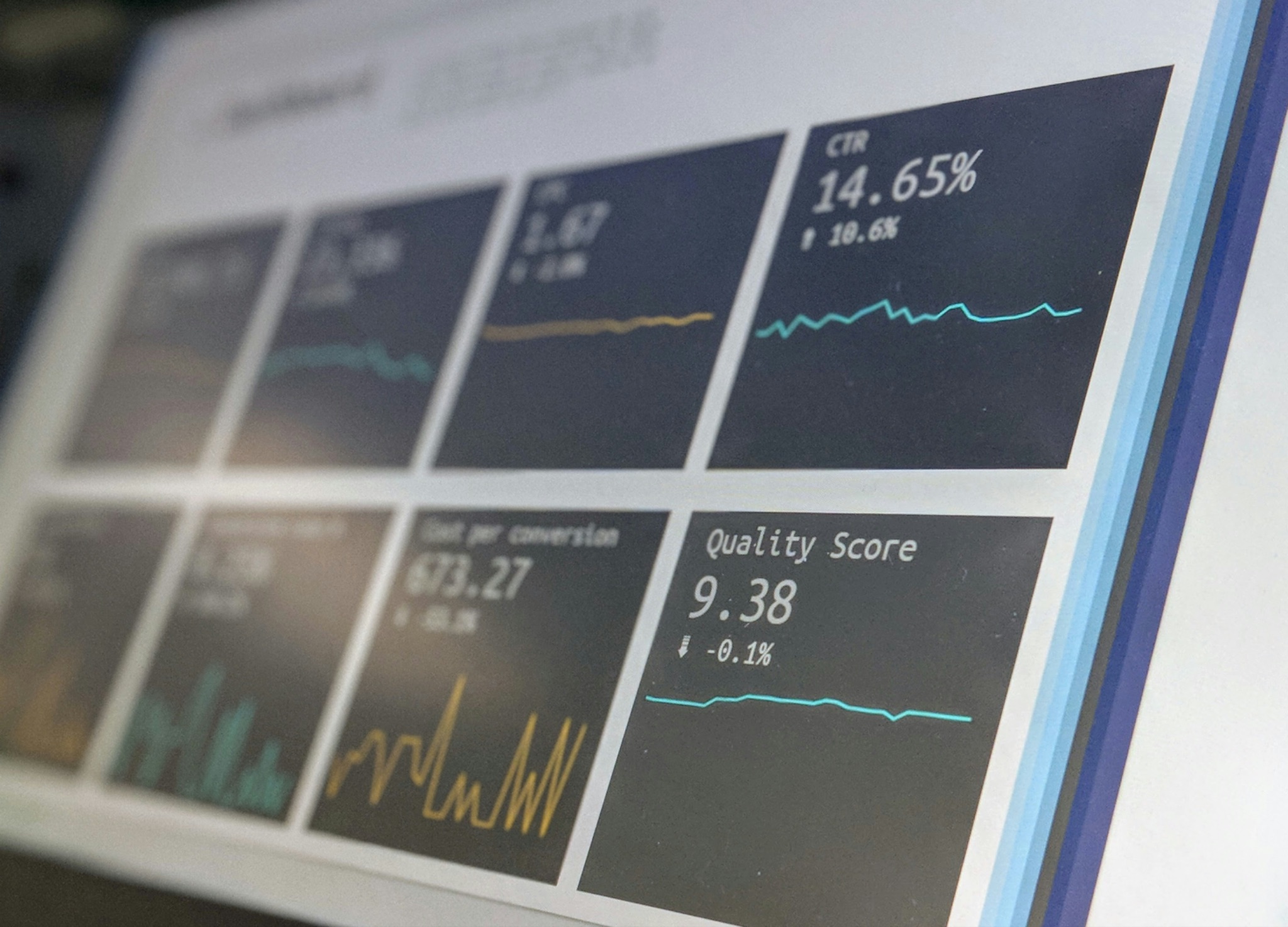
These real-time predictions can be displayed on dashboards for operators, offering immediate insight into the process’s health. More advanced systems can trigger automated alerts when the model predicts an impending issue, like a likely equipment failure or a drop in product quality. This gives teams the chance to intervene proactively and prevent the problem from occurring. This feedback loop, where the model predicts, humans (or automated systems) act, and the process responds, is what drives tangible operational improvements.
Continuous Improvement with Data
The work isn’t finished once a model is deployed. Processes change, new variables emerge, and the relationships between factors can shift over time. This phenomenon, known as model drift, can degrade a model’s accuracy if it’s not addressed. To ensure long-term success, you must treat your predictive model as a living system that needs ongoing maintenance.
This involves regularly monitoring the model’s performance against actual outcomes. When you detect a decline in accuracy, it signals that the model needs to be retrained with fresh data. This cycle of monitoring, evaluating, and retraining creates a culture of continuous improvement. Each iteration not only refines the model but also deepens your organization’s understanding of the process it governs, leading to smarter, more efficient operations over time.
Predictive analytics moves process optimization from guesswork to data-backed science. By systematically identifying variables, building accurate models, and integrating them into daily workflows, businesses can achieve a new level of control and efficiency.