
How AI Is Transforming Gig Worker Onboarding From a Manual Process to an Automated Experience
A delivery driver applies to three platforms on the same afternoon. One activates her within two hours. The other two are still […]
A delivery driver applies to three platforms on the same afternoon. One activates her within two hours. The other two are still […]
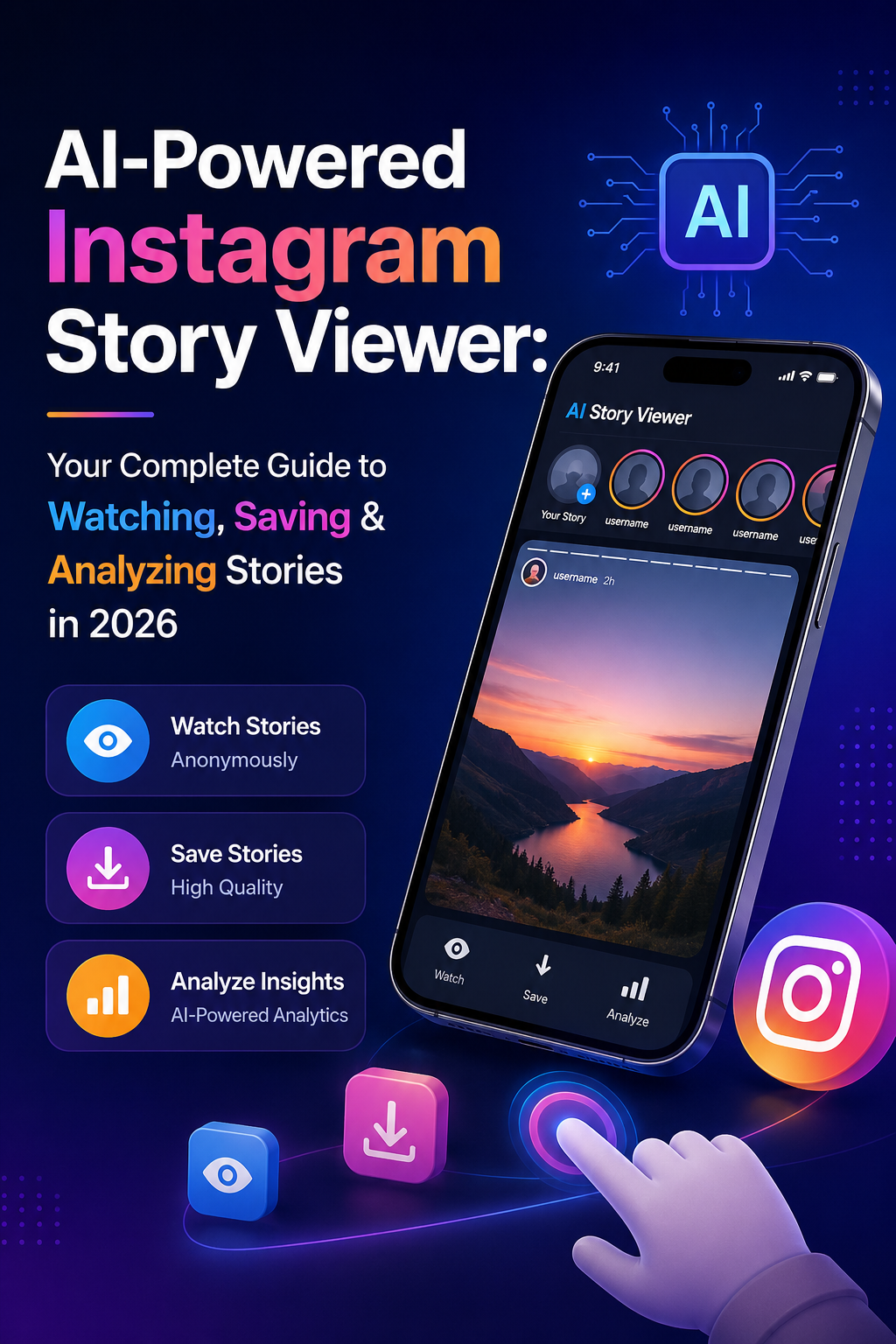
More than half a billion people open Instagram every single day just to watch Stories. That number is not slowing down if […]
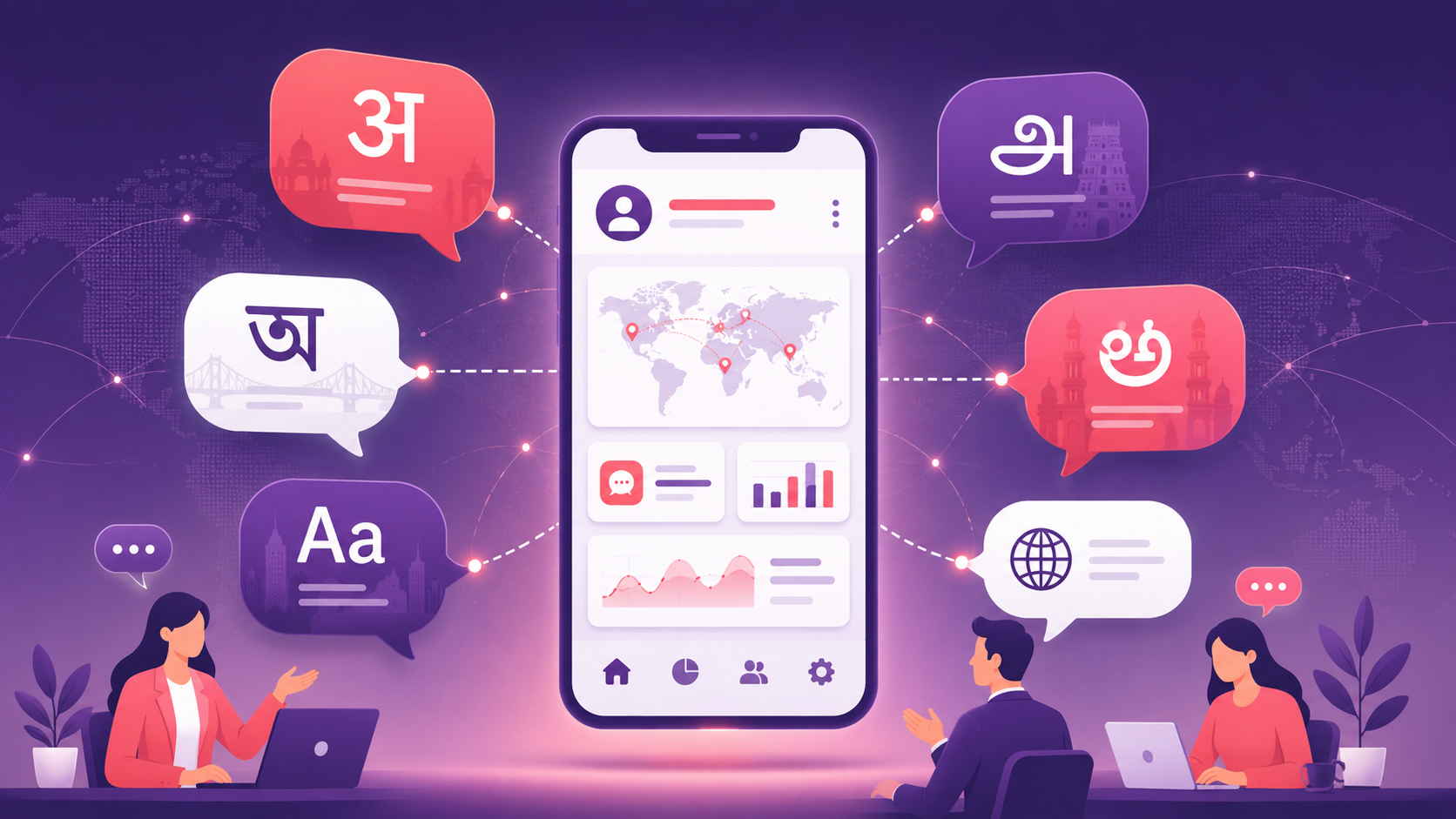
As India’s internet base expands rapidly into tier-2, tier-3, and rural markets, English-first digital experiences are proving inadequate for reaching the majority of new users. This article examines why regional language support has shifted from an optional feature to a core business requirement, covering its impact on customer trust, conversion rates, support costs, regulatory compliance, and long-term retention. Drawing on trends across BFSI, healthcare, logistics, recruitment, and edtech sectors, it outlines eight key drivers behind this shift — from the rise of vernacular voice search to advances in NLP that have made multilingual support commercially viable for businesses of all sizes. The piece argues that companies investing early in regional language capability, including Voice AI Platforms and Multilingual Voice AI for Indian Languages, are best positioned to capture disproportionate market share as India’s next wave of digital adoption unfolds.
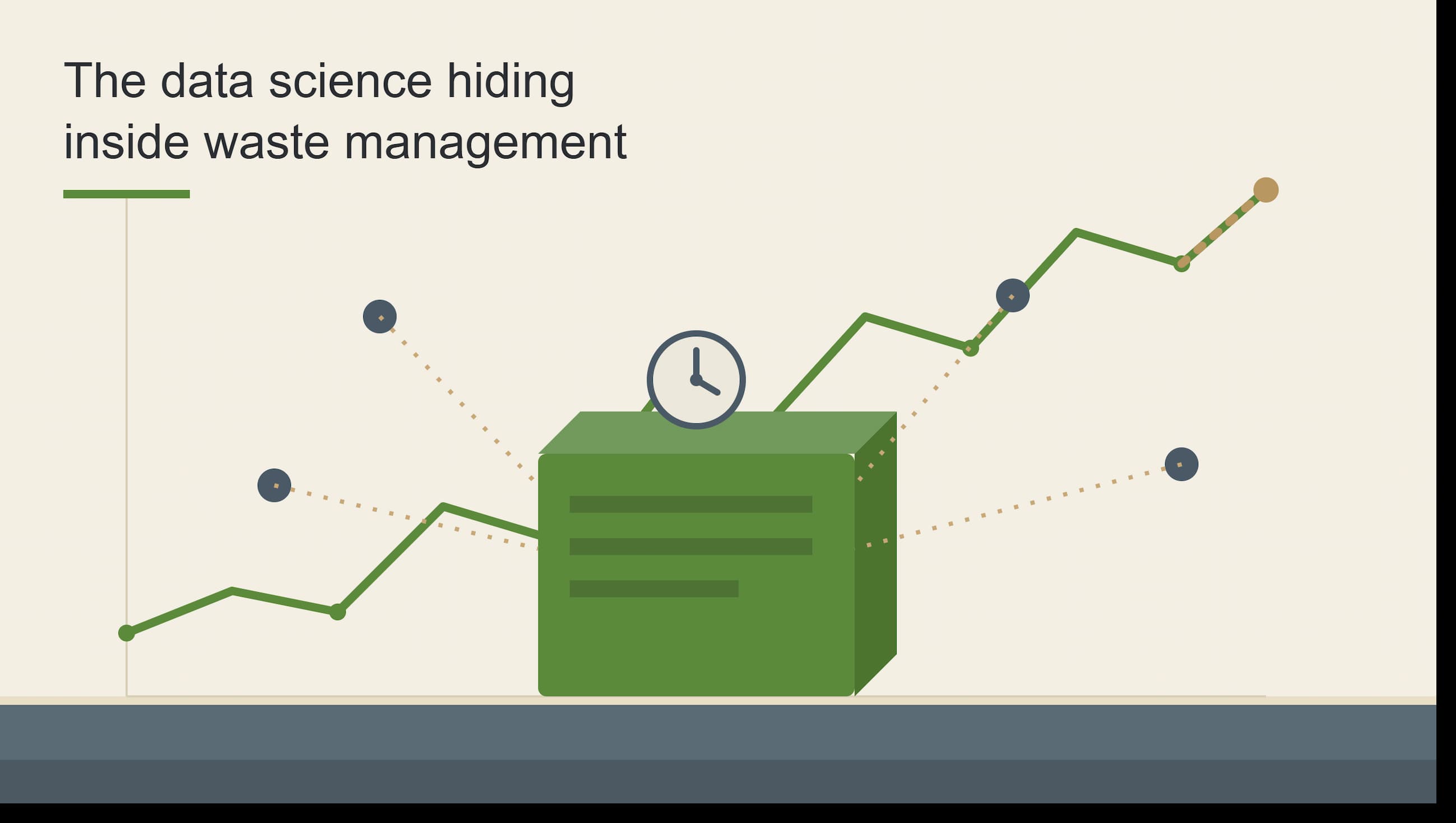
Waste management looks like a purely physical, low-tech industry, but underneath the trucks and containers is a genuine data science problem. This piece breaks down waste logistics through a data science lens: why waste volume is a second-order effect that needs upstream predictors rather than simple historical extrapolation, how truck routing maps onto the classic vehicle routing/constrained optimisation problem, how IoT fill-level sensors turn container status into a time series forecasting and anomaly detection problem, and why clustering sites by behavioural pattern rather than geography can reveal groupings a distance-based model would miss. It closes by arguing that waste management is an underused case study in applied data science simply because the industry has historically been slow to instrument itself, and that’s changing fast as sensor and booking data becomes more available. A useful read for anyone interested in how forecasting, optimisation and monitoring techniques apply outside the usual tech/retail/finance examples.

🤖 Artificial intelligence is reshaping eCommerce, but its effectiveness depends on secure, structured access to live store data. Traditional Shopify APIs, while powerful, were designed for applications rather than autonomous AI agents—requiring custom middleware, complex orchestration, and extensive development before AI can perform even basic business tasks.
🔌 Shopify MCP Servers introduce a new approach. Built on the Model Context Protocol (MCP), they create a standardized communication layer between AI applications and Shopify stores. Instead of building custom integrations for every AI workflow, businesses can provide AI agents with structured, secure access to products, inventory, orders, customer data, and store operations through a consistent protocol.
🛒 This enables intelligent customer experiences—AI shopping assistants that understand natural language, provide personalized recommendations, compare products, track orders, and answer support questions using real-time Shopify data. Behind the scenes, MCP Servers automate inventory management, streamline order processing, simplify product catalog updates, and reduce repetitive manual tasks.
👨💻 For developers, MCP offers standardized communication, faster integration, better security controls, and easier maintenance. As AI agents become more capable, Shopify MCP Servers provide the infrastructure needed for AI-first commerce—where intelligent systems assist customers, automate operations, and help merchants make better decisions using live business data.
🚀 Businesses that adopt MCP-powered Shopify solutions today are better positioned to deliver conversational shopping experiences, improve operational efficiency, and prepare for the next generation of autonomous AI commerce.

Many people thought Earth observation was expensive or exclusive. Having a view of your city or neighborhood was more like an episode […]

An AI Robot Assistant for Luxury Car Showroom can improve premium customer engagement through personalized vehicle discovery, preference capture, appointment support, test-drive requests, and smoother sales handoffs. This blog explores the key benefits of robotic assistance and how it can support luxury dealerships while keeping expert human service at the center of the buying experience.

An AI Robot Assistant for Luxury Car Showroom can support premium customer engagement through intelligent reception, vehicle discovery, preference capture, appointment assistance, test-drive requests, and smoother sales handoffs. This blog explores how AI robotics can enhance the luxury showroom journey while keeping expert human service at the center of the buying experience.

In the last 20 years, the main exchange between humans and artificial intelligence and data science models has been flat. The handheld […]

Most healthcare organizations evaluate AI medical coding solutions on marketing claims rather than reproducible evidence. This piece breaks down what actually matters: how accuracy is defined and measured, what a statistically valid validation sample looks like, why documentation traceability became a compliance requirement in 2026, how specialty mix affects real-world performance, and how to run the ROI math once denial prevention is factored in. Use this as a checklist before signing with any vendor.
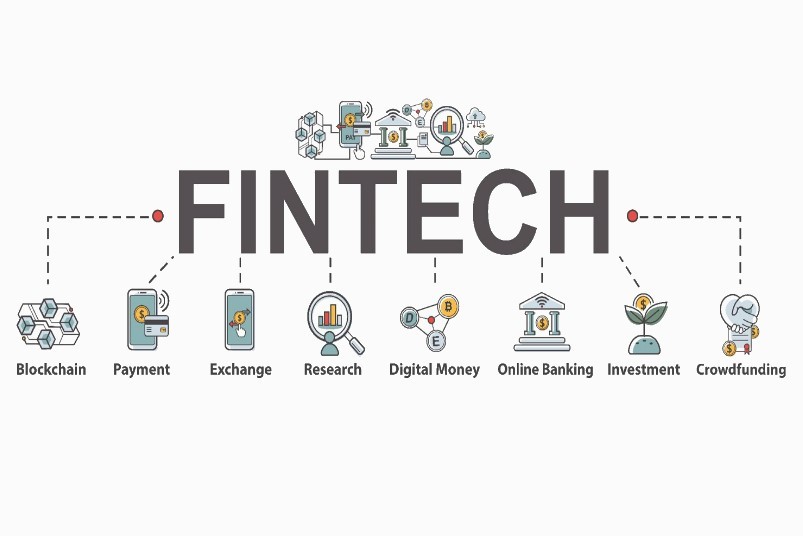
Discover how fintech companies are transforming finance through digital banking, payments, lending, investment, AI, and other innovative technologies.