
Remember when AI felt like something only Google or Tesla could afford to play with? When did it mean self-driving cars, predictive search or mind-reading recommendation engines? That’s changing – fast.
In 2025, AI isn’t locked up in Silicon Valley vaults anymore. It’s on your laptop. On your phone. And increasingly, it’s powering small businesses, local retailers and scrappy start-ups trying to punch above their weight.
These days, getting started with AI is almost as easy as finding Wi-Fi. No-code tools, open-source libraries, plug-and-play platforms—you don’t need a PhD or a data science team to build something smart.
Here, we’ll unpack how regular businesses (like yours) are tapping into advanced AI solutions to solve real problems, speed things up, and deliver big results, even on small budgets.
Busting the Myth: AI Isn’t Just for Tech Giants
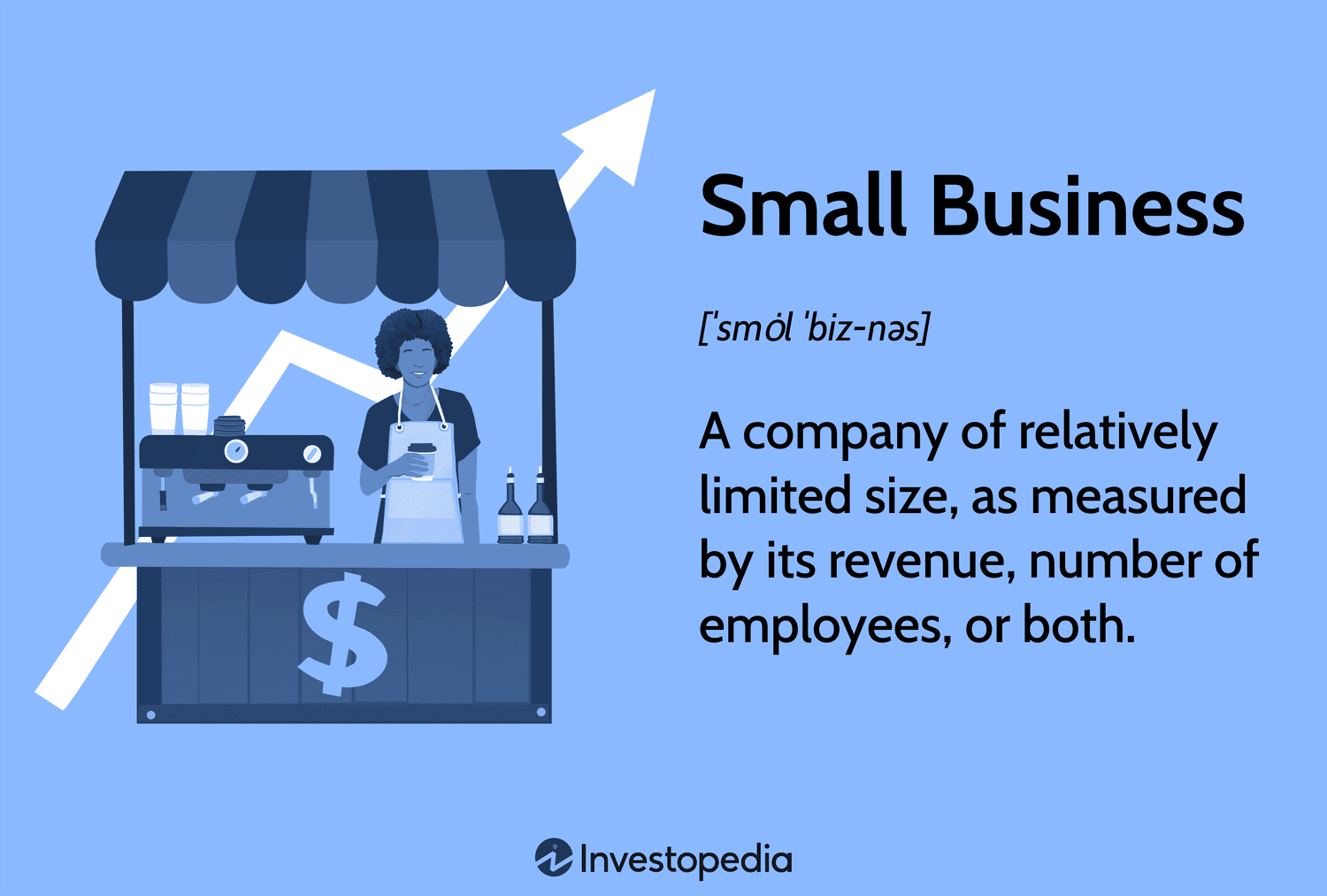
Let’s clear this up – you don’t need a PhD, a warehouse of data or Silicon Valley money to use AI anymore. For years, small businesses were told that artificial intelligence was only for the Fortune 500s. But guess what? That story’s outdated. Thanks to affordable, pre-trained AI models and pay-as-you-go tools from Amazon, Microsoft Google – and even a few lesser-known gems – you can plug in and start using AI today, no coding, no big team.
Think about it: a local bakery using AI to reorder flour before it runs out. A small-town law office letting AI summarize case files in seconds. Real people. Real use cases. This isn’t science fiction – it’s happening. And the best part? It’s finally within reach.
1. Automating the Boring Stuff
Every small business has those repetitive tasks that slowly chip away time – appointment bookings, invoice sending, CRM updating. Now just think about all of that, just coming off your plate. This is where automation powered by AI comes true. And you can do it without a developer.
Take this example: A growing home services start-up uses an AI assistant to automatically assign jobs to nearby technicians based on location, schedule and job type. The result? Dispatching time was cut by 70%. No more back-and-forth calls.
Today’s tools – Zapier, Microsoft Power Automate – let you set up these automations visually, with drag-and-drop logic. You click, connect and let the bots run the show.
2. Making Every Customer Feel Like Your Only One
You don’t need millions of users to offer personalized experiences. AI now lets small businesses create the kind of customer magic that used to require a team of data scientists.
A boutique skincare brand is a great example—they use an AI chatbot on WhatsApp to suggest products based on a customer’s skin type and past orders. The result? A 30% spike in repeat purchases. And it feels like the brand truly knows the customer.
Platforms like Dialogflow, Intercom, and Shopify’s AI tools make this kind of personalization not only possible—but ridiculously easy. No code. No complexity. Just smart, tailored conversations that drive loyalty.
3. Marketing Made Easier (and Smarter)
Creating content used to be a grind – writing blogs, coming up with captions, tweaking ad copy it all took time, energy and usually a few rounds of edits. But tools like Jasper, ChatGPT and Canva’s Magic Write have changed the game. Now you can whip up blog posts, product descriptions or even A/B test ad headlines in minutes.
Use Case: A real estate agent shaved 15 hours off their weekly workload just by auto-generating property listings and market blurbs—with better lead quality to show for it.
And these tools not only produce content but also analyze SEO keywords, schedule posts for peak engagement and even help with subject line testing. It’s like having a part-time content team… without the overhead.
4. Sales Forecasting Without the Guesswork
Sales planning used to be all instinct and spreadsheets. Now? AI solutions helps you see the future.
Small teams – yes, even three-person start-ups – can now tap into predictive tools to spot buyer intent, flag churn risks and rank leads by revenue potential.
Use Case: A SaaS team boost renewals by 22% just by using AI to track user behavior and trigger smart retention nudges. And they didn’t need to build it from scratch platforms like Zoho, HubSpot and Salesforce Essentials come loaded with predictive features out of the box.
5. Artificial intelligence in the hiring and HR operations
AI solutions also bring an equal end to recruitment. Start-ups can save time-on-hire without compromising candidate quality via automated resume screening or video interview analysis.
Example: A digital marketing company uses an artificial intelligence hiring assistant that scores applicants based on job-fit metrics and begins filling the key positions 40% quicker.
Tools like Recruitee and Breezy HR have out-of-the-box AI modules designed with SMEs in mind.
Conclusion: Small business, big benefit
Artificial intelligence is no longer Silicon Valley luxury. If executed in the right manner with appropriate tools AI solutions can accelerate small businesses growth – making them more efficient, enhancing the customer experience (CX) and fostering new innovation.
The very fact that they are large is actually a positive. Free from the layers of bureaucracy or legacy systems, small businesses can move fast, iterate faster and establish an AI-first culture right from the outset. 2025 and beyond- it won’t be about size of your company- it will be about the intelligence of your company.