
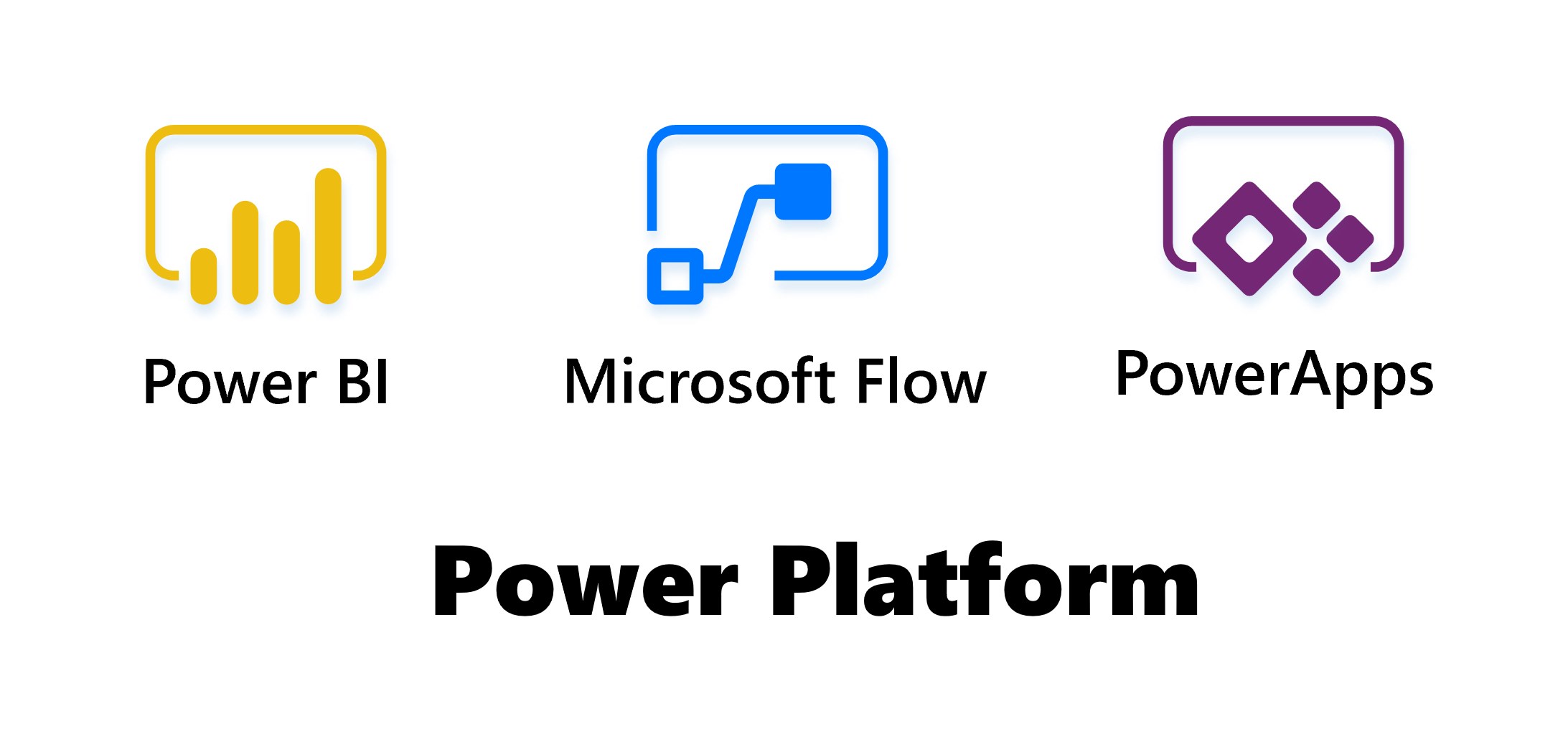
The Power Platform, a suite of low-code business applications offered by Microsoft, has quickly become a popular solution for companies looking to improve their processes and increase efficiency. Power Apps, Power Automate, Power BI, and Power Virtual Agents, its core components, offer a range of capabilities that can help businesses achieve their goals. However, without a proper understanding of the platform and a well-executed plan, companies can miss out on the full potential of the Power Platform. This is why it’s important to have a clear strategy in place to maximize the potential of the Power Platform and achieve business success. In this blog post, we will explore the capabilities of the Power Platform and provide proven strategies and best practices for adopting and leveraging the platform to drive business outcomes. Whether you’re just getting started with the Power Platform or looking to take your use of it to the next level, this blog post is for you.
Importance of maximizing its potential
Maximizing the potential of the Power Platform is essential for businesses that want to stay ahead of the competition and achieve their desired outcomes. With the increasing demand for digital transformation, companies need to find ways to streamline their processes, enhance customer engagement, and make data-driven decisions. The Power Platform provides a solution to these challenges, but only if it’s utilized to its full potential. By maximizing the potential of the Power Platform, businesses can experience improved efficiency, increased productivity, and better decision-making capabilities. These benefits can lead to increased revenue and a more competitive edge in the market. Therefore, maximizing the potential of the Power Platform is not just important, but also critical, for businesses looking to stay ahead in today’s fast-paced digital landscape.
Capabilities of Power Apps, Power Automate, Power BI, and Power Virtual Agents
Power Apps: Power Apps allows businesses to create custom applications for their specific needs without the need for extensive coding knowledge. It enables organizations to quickly and easily create apps that can be used on any device, providing a user-friendly and accessible solution for a variety of tasks. Power Apps can be used for tasks such as data collection, automation of manual processes, and creation of interactive forms and dashboards.
Power Automate: Power Automate is a workflow automation tool that helps streamline repetitive tasks and processes. It allows businesses to automate workflows, eliminating manual steps and reducing the risk of human error. Power Automate can integrate with a wide range of applications and services, making it a versatile solution for businesses.
Power BI: Power BI provides data visualization and analytics capabilities, allowing businesses to make informed decisions based on real-time insights. It provides interactive dashboards and reports that make it easy to understand complex data, and can be integrated with other data sources to provide a comprehensive view of business operations. Power BI also offers a range of data visualization tools and the ability to create custom dashboards, making it a flexible solution for businesses of all sizes.
Power Virtual Agents: Power Virtual Agents is a conversational AI tool that enables businesses to provide automated customer support and engagement. It allows businesses to create custom chatbots that can assist customers with frequently asked questions, freeing up human support teams to focus on more complex issues. Power Virtual Agents integrates with other components of the Power Platform, making it a versatile solution for businesses looking to enhance their customer engagement.
Proven Strategies for Achieving Business Success
- Define Your Goals: The first step in maximizing the potential of the Power Platform is to define your goals and determine how you want to use it to drive business outcomes. This will help you determine which components of the Power Platform are most relevant to your needs and what specific features you need to utilize.
- Assess Your Current Processes: Assessing your current processes can help you identify areas for improvement and areas where the Power Platform can be leveraged to drive efficiency and enhance performance.
- Create a Plan: Once you have assessed your current processes and defined your goals, it’s important to create a plan for adopting and leveraging the Power Platform. This plan should include steps for training your team, integrating with other systems, and monitoring progress towards your goals.
- Leverage Power Automate: Power Automate is a key component of the Power Platform and can help streamline repetitive tasks and processes. It’s important to take advantage of its capabilities to automate workflows and free up time for your team to focus on more strategic tasks.
- Enhance Customer Engagement: Power Virtual Agents and Power Apps provide a range of capabilities for enhancing customer engagement and providing a better customer experience. These components of the Power Platform should be leveraged to drive customer satisfaction and improve customer loyalty.
- Make Data-Driven Decisions: Power BI provides data visualization and analytics capabilities, allowing businesses to make informed decisions based on real-time insights. It’s important to take advantage of this component of the Power Platform to make data-driven decisions that drive business outcomes.
- Continuously Monitor and Evaluate: The Power Platform is constantly evolving, and it’s important to continuously monitor and evaluate your use of it to ensure that you’re maximizing its potential and achieving your desired outcomes. Regular review and assessment of your processes, goals, and results will help you stay ahead of the competition and continuously improve.
By following these proven strategies, businesses can maximize the potential of the Power Platform and drive business success. By streamlining processes, enhancing customer engagement, and making data-driven decisions, businesses can improve efficiency, increase productivity, and achieve their desired outcomes.
Best Practices for Power Platform Adoption
- Start Small and Iterate: When adopting the Power Platform, it’s best to start with small, achievable goals and gradually scale up as you become more familiar with its capabilities. This will help you avoid overwhelming your team and ensure a smooth adoption process.
- Involve End-Users: Involving end-users in the adoption process can help ensure that the Power Platform is used in a way that meets their needs and enhances their work experience. This can also help identify areas for improvement and drive greater engagement with the platform.
- Train Your Team: Ensuring that your team is properly trained on the Power Platform is critical to its success. Investing in training and upskilling your team can help ensure that they are able to effectively utilize the platform to drive business outcomes.
- Integrate with Other Systems: The Power Platform integrates with a wide range of systems and services, making it a versatile solution for businesses. Integrating the Power Platform with other systems can help drive efficiency and enhance performance by automating workflows and streamlining processes.
- Implement Strong Governance: Implementing strong governance processes for the Power Platform is essential to ensuring its success. This includes establishing policies for data security, version control, and collaboration, as well as defining roles and responsibilities for using the platform.
- Monitor and Evaluate: Regular monitoring and evaluation of the Power Platform is essential to ensuring its continued success. This includes tracking progress towards your goals, monitoring usage patterns, and identifying areas for improvement.
By following these best practices, businesses can ensure a smooth and successful adoption of the Power Platform and maximize its potential to drive business success. With the right approach and a focus on continuous improvement, businesses can leverage the Power Platform to achieve their desired outcomes and stay ahead in today’s fast-paced digital landscape.
Conclusion
In conclusion, the Power Platform is a powerful tool for businesses looking to drive efficiency, increase productivity, and achieve their desired outcomes. With its range of capabilities, including Power Apps development, Power Automate, Power BI, and Power Virtual Agents, businesses can streamline processes, enhance customer engagement, and make data-driven decisions to stay ahead in today’s digital landscape.
By adopting proven strategies and following best practices for Power Platform adoption, businesses can maximize its potential and drive business success. Whether it’s automating workflows, enhancing customer experiences, or making data-driven decisions, the Power Platform provides businesses with the tools and capabilities they need to stay competitive in today’s fast-paced business environment.
In summary, the Power Platform is a versatile solution for businesses looking to improve their performance and achieve their desired outcomes, and businesses that embrace its potential will reap the benefits of a more efficient, productive, and data-driven approach to business success.
One thought on “Maximizing the Potential of Power Platform: Proven Strategies for Achieving Business Success”
It’s fantastic to hear that you were able to attend such an interesting programme at the Sofia Lab. Being a member of the DevOps team at King Johnnie VIP, I can attest that the recent convergence of the artificial intelligence and video gaming worlds is inspiring. It’s exciting to watch as new technologies shape the future of gaming, and AI in games has become a vital component of the business.