
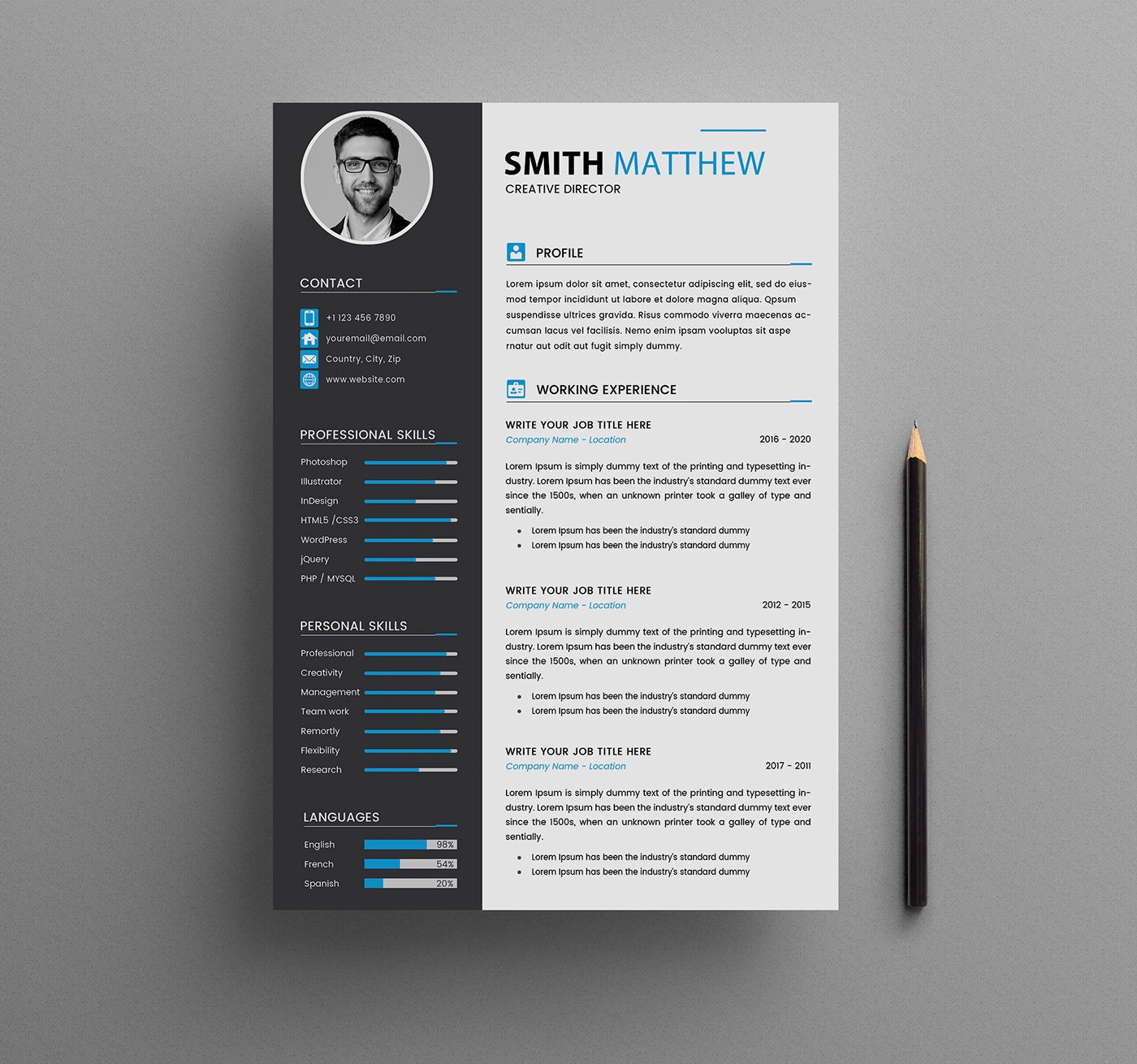
In today’s tech-driven job market, data science has emerged as one of the most competitive and rewarding fields. But with high demand comes high competition, and standing out to hiring managers requires more than just listing technical skills on your resume. To make a lasting impression, your resume needs to blend technical expertise, problem-solving skills, and a clear narrative about your impact as a data professional. Here’s a guide to creating a data science resume that will capture employers’ attention and help you secure your dream job in data science.
1. Start with a Strong Summary
The summary or objective at the top of your resume is your elevator pitch—a brief snapshot of who you are and what value you bring to the company. Keep it concise, ideally 2-3 sentences, highlighting your years of experience, expertise in data science, and a unique skill that sets you apart.
Example:
“Data Scientist with 4+ years of experience in predictive modeling, machine learning algorithms, and data analysis. Skilled in translating complex datasets into actionable insights, with a proven track record of boosting operational efficiency and driving revenue growth.”
By tailoring this section to each job you apply for, you’re showing the employer that you understand their specific needs and are the right fit.
2. Highlight Relevant Skills
Data science requires a blend of technical and soft skills. While it’s essential to list your technical skills (like Python, R, SQL, machine learning, and data visualization tools), don’t forget to include your analytical and problem-solving abilities. Employers are looking for candidates who can not only code but also interpret and communicate data-driven insights.
Organize your skills into categories such as Programming Languages, Data Manipulation Tools, and Visualization Software to help recruiters quickly spot what they’re looking for.
Suggested Skills to Include:
- Programming languages (Python, R, SQL)
- Machine learning frameworks (TensorFlow, scikit-learn)
- Data visualization (Tableau, Power BI)
- Statistical analysis (SAS, SPSS)
- Big data tools (Hadoop, Spark)
3. Quantify Your Achievements
In data science, quantifiable results are critical. For each job experience, list accomplishments that demonstrate the value you added. Hiring managers love numbers, so whenever possible, back up your statements with metrics. For example, instead of saying “Improved company data processes,” say, “Reduced data processing time by 30% through optimized workflows, saving the company $50,000 annually.”
Quantifying your achievements not only provides clear evidence of your abilities but also shows employers how you could potentially drive similar results for their organization.
4. Use Action Verbs to Show Impact
To make your experience stand out, use strong action verbs that convey your proactive role in each project. Words like “developed,” “analyzed,” “optimized,” “automated,” and “implemented” can help transform a generic description into a powerful narrative.
Here’s an example of turning a bland bullet point into a more compelling one:
- Before: “Responsible for managing company data.”
- After: “Developed and implemented data management protocols, resulting in a 25% increase in data accuracy across all departments.”
5. Showcase Your Projects and Portfolio
Employers in data science appreciate a candidate with hands-on experience. Including a “Projects” section allows you to demonstrate the specific ways you’ve applied your skills. This is especially beneficial if you’re just starting in data science or transitioning from another field.
For each project, briefly explain the problem you solved, the techniques you used, and the results. This section is your chance to share tangible examples of your work beyond what’s included in previous job roles. Adding a link to your GitHub or an online portfolio can further showcase your technical skills.
6. Emphasize Soft Skills and Communication Abilities
While technical skills are essential, data scientists often work closely with teams across departments. Therefore, communication skills, teamwork, and adaptability are highly valued. Mentioning these abilities on your resume (with examples, if possible) can give you an edge.
For example, if you worked with a marketing team to analyze customer data or collaborated with engineers to develop a recommendation engine, include it. Data science is not only about analysis but also about communicating insights effectively to non-technical stakeholders.
- Tailor Your Resume with Job-Specific Language and Skills
Many companies use Applicant Tracking Systems (ATS) to filter resumes before a hiring manager even sees them. To ensure your resume makes it past these systems, tailor it to each job posting by incorporating important terms and skills directly from the description. Phrases like “data analysis,” “machine learning,” and “predictive modeling” may be essential, along with any industry-specific software or tools mentioned in the posting.
Using tools like an AI Resume Builder can be helpful, as these platforms are designed to optimize your resume for ATS compatibility. They can also help rephrase bullet points to improve readability for both humans and machines.
8. Keep Your Layout Clean and Professional
Data science resumes should be as clean and structured as the data they analyze. Use consistent formatting, bullet points for readability, and a legible font. Leave some white space so that the resume doesn’t look cluttered, and use sections to organize your experience, skills, education, and projects. If you’re unsure how to present your qualifications effectively, consider seeking help from local resume writers near me who specialize in crafting tailored, data-driven resumes.
A one-page resume is typically recommended for data scientists with less than 10 years of experience. For those with a more extensive career history, a two-page resume is acceptable, as long as all information remains relevant to the job you’re applying for.
9. Proofread and Get Feedback
Before sending your resume, review it for any errors in grammar, punctuation, or formatting. Typos or inconsistencies can come off as unprofessional and may even disqualify you from consideration. Ask a mentor or a colleague in the field to provide feedback on your resume. A fresh pair of eyes can catch mistakes you might have missed and offer valuable insights.
Final Thoughts
Crafting a data science resume that stands out takes effort, attention to detail, and a bit of personalization for each application. Focus on demonstrating not only your technical expertise but also your impact on previous teams and projects. By quantifying achievements, showcasing your projects, and ensuring clarity and readability, you’ll be well on your way to capturing the attention of potential employers.