
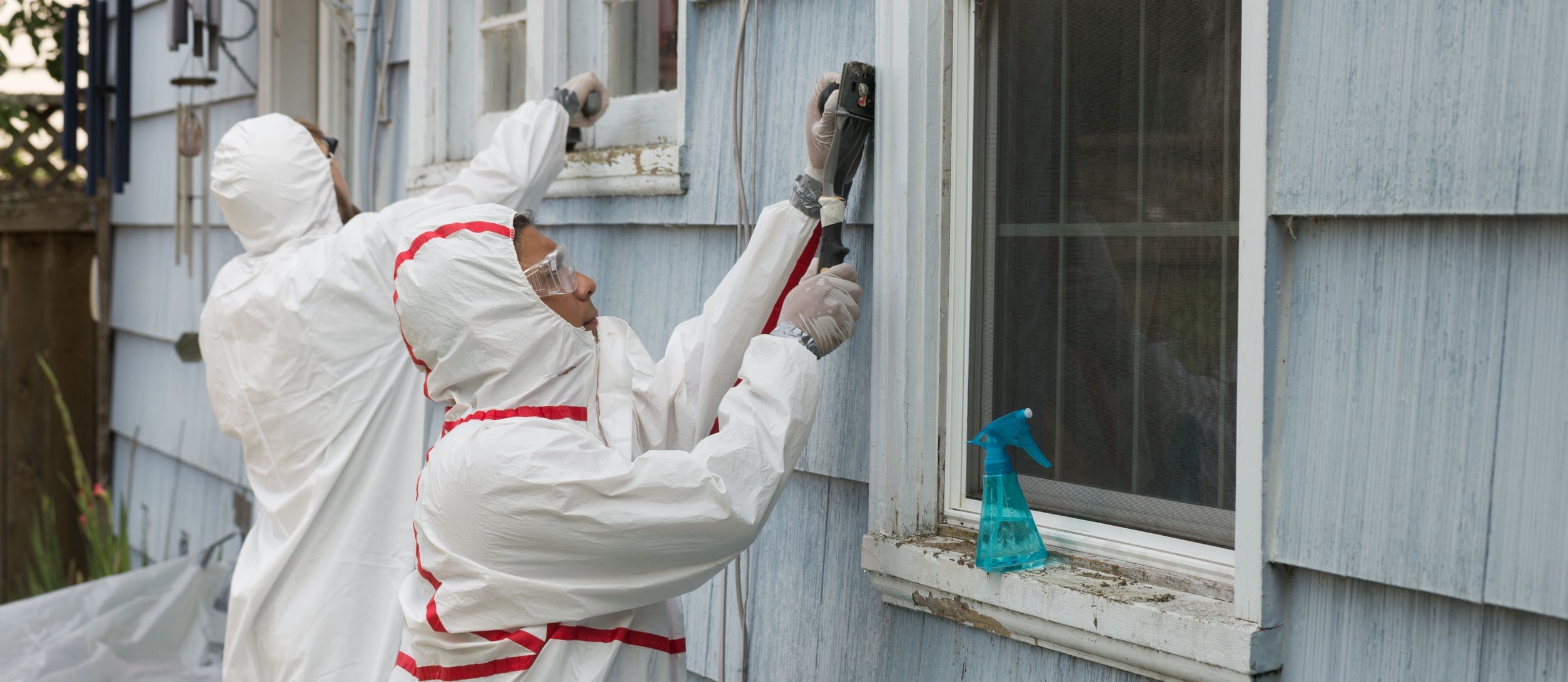
In recent years, advancements in technology have significantly transformed the approach to asbestos and lead removal, making the processes safer, more efficient, and more effective. These innovations are not only enhancing the health and safety of workers but also providing homeowners and building occupants with greater peace of mind. This article explores how modern technology is revolutionizing asbestos and lead removal services, highlighting key developments and their impact on the industry.
Enhanced Detection Methods
One of the most critical aspects of asbestos and lead removal is accurate detection. Modern technology has introduced sophisticated methods for identifying these hazardous materials with greater precision.
1. Advanced Imaging and Scanning Technologies
- Infrared Imaging: Infrared cameras are used to detect differences in temperature and identify the presence of asbestos or lead behind walls, floors, and ceilings. This non-invasive method allows for thorough inspections without disturbing potentially hazardous materials.
- X-Ray Fluorescence (XRF) Analyzers: XRF technology is commonly used for detecting lead in paint. These portable devices can quickly determine lead content by analyzing the energy levels emitted by the material when exposed to X-rays, providing accurate on-site results.
2. Robotics and Drones
- Robotic Inspection Tools: Robots equipped with cameras and sensors can navigate confined or hazardous spaces to inspect for asbestos and lead. These robots reduce the risk to human inspectors and provide detailed visual and data analysis.
- Drones: Drones are increasingly used for aerial inspections of large buildings and industrial sites. They can capture high-resolution images and videos, enabling inspectors to identify potential hazards from a safe distance.
Safer Removal Techniques
Technological advancements have also led to the development of safer and more efficient removal techniques, reducing the risk of exposure for workers and building occupants.
1. Remote-Controlled Equipment
- Remote-Controlled Excavators: These machines allow operators to remove asbestos and lead from a safe distance. Equipped with cameras and robotic arms, remote-controlled excavators can perform precise removal tasks without direct human involvement, minimizing exposure risks.
- Automated Cleaning Systems: Automated systems, such as HEPA-filtered vacuums and robotic scrubbers, can clean contaminated areas thoroughly, ensuring that hazardous particles are effectively removed.
2. Encapsulation and Containment Innovations
- Spray-On Encapsulants: Modern encapsulant products can be sprayed onto asbestos-containing materials to seal fibers in place, preventing them from becoming airborne during removal. This method reduces the risk of exposure and simplifies the removal process.
- Advanced Containment Solutions: Innovations in containment systems, such as flexible barriers and negative air pressure units, enhance the safety of the work environment. These systems effectively isolate the contaminated area and prevent the spread of hazardous particles.
Improved Waste Management
Proper disposal of asbestos and lead waste is crucial to prevent environmental contamination. Technological advancements have improved waste management practices, ensuring safe and efficient disposal.
1. Decontamination Units
- Portable Decontamination Units: These units provide on-site decontamination facilities for workers, ensuring that hazardous materials are removed from clothing and equipment before leaving the containment area. This reduces the risk of cross-contamination and protects both workers and the public.
- Innovative Waste Packaging: New materials and designs for waste packaging ensure that asbestos and lead waste is securely contained during transport. Leak-proof and tamper-resistant containers minimize the risk of accidental exposure during disposal.
2. Sustainable Practices
- Recycling Technologies: Some modern technologies allow for the recycling of certain asbestos and lead-containing materials. For example, lead can be safely extracted and reused in new products, reducing the environmental impact of disposal.
- Environmental Monitoring: Advanced monitoring systems track the disposal process to ensure compliance with regulations and prevent illegal dumping. Real-time data collection and reporting enhance transparency and accountability in waste management.
Data-Driven Decision Making
Technology has also enabled data-driven decision-making in asbestos and lead removal projects, leading to more informed and efficient processes.
1. Digital Inspection Reports
- Cloud-Based Reporting: Digital inspection reports can be stored and accessed in the cloud, allowing stakeholders to review findings, track progress, and collaborate remotely. This improves communication and coordination among project teams.
- Data Analytics: Advanced data analytics tools analyze inspection and removal data to identify trends, optimize workflows, and predict potential issues. This proactive approach enhances the overall efficiency and effectiveness of abatement projects.
2. Building Information Modeling (BIM)
- 3D Modeling: BIM technology creates detailed 3D models of buildings, including the location of asbestos and lead-containing materials. These models assist in planning and executing removal projects with precision, reducing the risk of errors and ensuring thorough abatement.
- Virtual Reality (VR): VR simulations allow workers to practice removal techniques in a virtual environment before starting the actual project. This training method enhances safety and preparedness, reducing the likelihood of accidents.
Conclusion
Modern technology is revolutionizing asbestos and lead removal services by enhancing detection, improving removal techniques, optimizing waste management, and enabling data-driven decision-making. These advancements not only protect the health and safety of workers and occupants but also contribute to more efficient and effective abatement processes. As technology continues to evolve, the industry will undoubtedly see further innovations that enhance the safety and sustainability of asbestos and lead removal. Transform your living space with expert renovation services from NYCrestoration.com, where quality craftsmanship meets innovation in every project.