
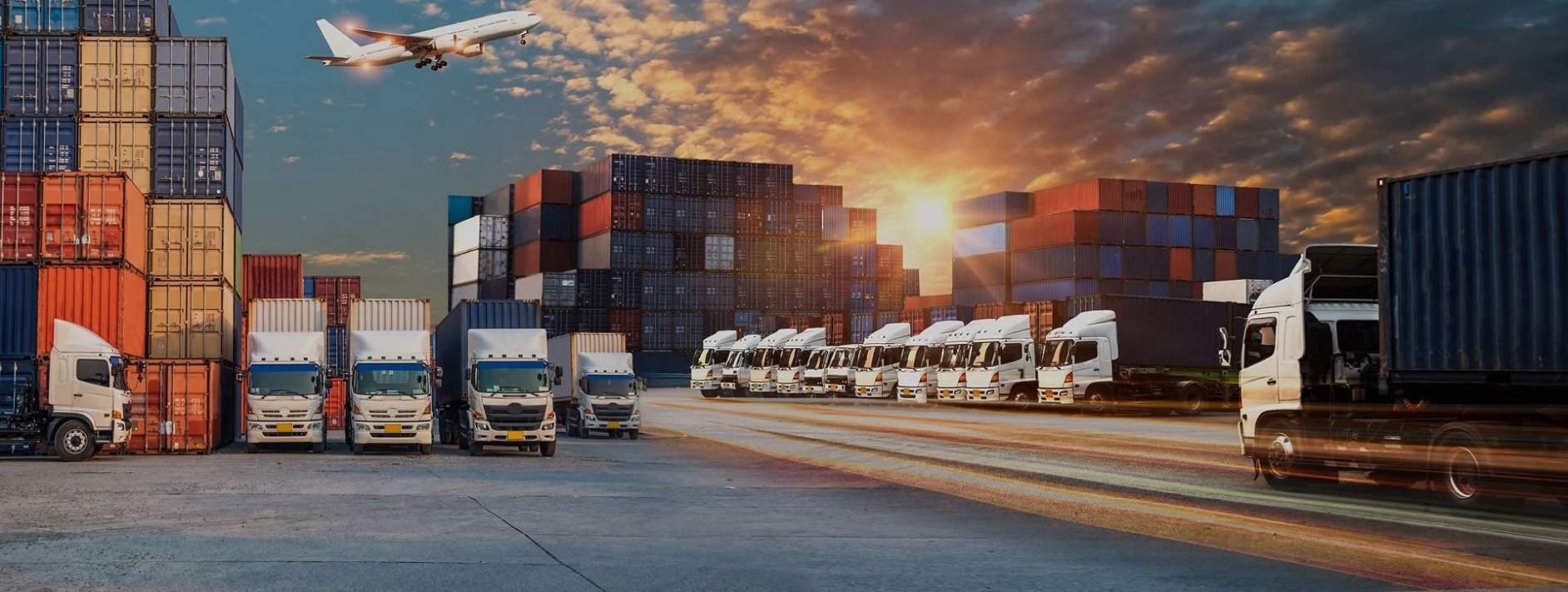
The IoT in logistics helps enhancing efficiency, visibility, and security through real-time tracking, predictive maintenance, and automation, with emerging technologies like AI, 5G, and blockchain playing key roles. Let’s explore how is the future of IoT in logistics:
1. Enhanced Efficiency and Visibility:
• Real-time Tracking: IoT sensors and devices enable continuous monitoring of goods in transit, providing real-time location and condition data, which helps to improve visibility across the supply chain and reduce delays.
• Predictive Maintenance: By monitoring the performance of equipment and vehicles, IoT can predict potential maintenance needs, allowing for proactive repairs and reducing downtime.
• Inventory Optimization: IoT-enabled sensors can track inventory levels in real-time, optimizing storage and retrieval processes and reducing waste.
• Automated Warehousing: Robotics and automation powered by IoT can streamline warehouse operations, from picking and packing to sorting and loading, improving efficiency and reducing labor costs.
2. Emerging Technologies:
• AI and Machine Learning: AI algorithms can analyze vast amounts of data collected by IoT sensors to optimize logistics processes, predict demand, and improve decision-making.
• 5G and Low-Latency Networks: 5G technology will enable faster and more reliable data transmission, supporting real-time monitoring and control of logistics operations.
• Blockchain: Blockchain technology can create a secure and transparent record of transactions and shipments, enhancing trust and reducing fraud in the supply chain.
• Augmented Reality (AR): AR can provide workers with real-time information and guidance, improving efficiency and reducing errors in warehouse and logistics operations.
• Autonomous Vehicles and Drones: IoT-enabled autonomous vehicles and drones can streamline delivery processes, especially in urban areas, reducing costs and improving delivery times.
3. Customer-Centric Applications:
• Personalized Delivery Options: IoT can enable personalized delivery options, such as real-time tracking, estimated delivery times, and flexible delivery slots, enhancing customer satisfaction.
• Smart Lockers: IoT-enabled smart lockers allow customers to retrieve parcels at their convenience, improving the customer experience and reducing the need for home deliveries.
4. Key Benefits:
• Reduced Costs: IoT solutions can help to reduce costs by optimizing operations, reducing waste, and improving efficiency.
• Improved Safety: IoT-enabled vehicle telematics can monitor driver behavior and vehicle performance, contributing to safer driving practices and reduced accident rates.
• Enhanced Security: IoT solutions can enable better security of cargo through continuous monitoring and alerts for any unauthorized access or tampering during transit.
• Sustainability: IoT can help to reduce fuel consumption, prevent spoilage, and improve resource utilization, contributing to more sustainable logistics operations.